What Causes It Around Here
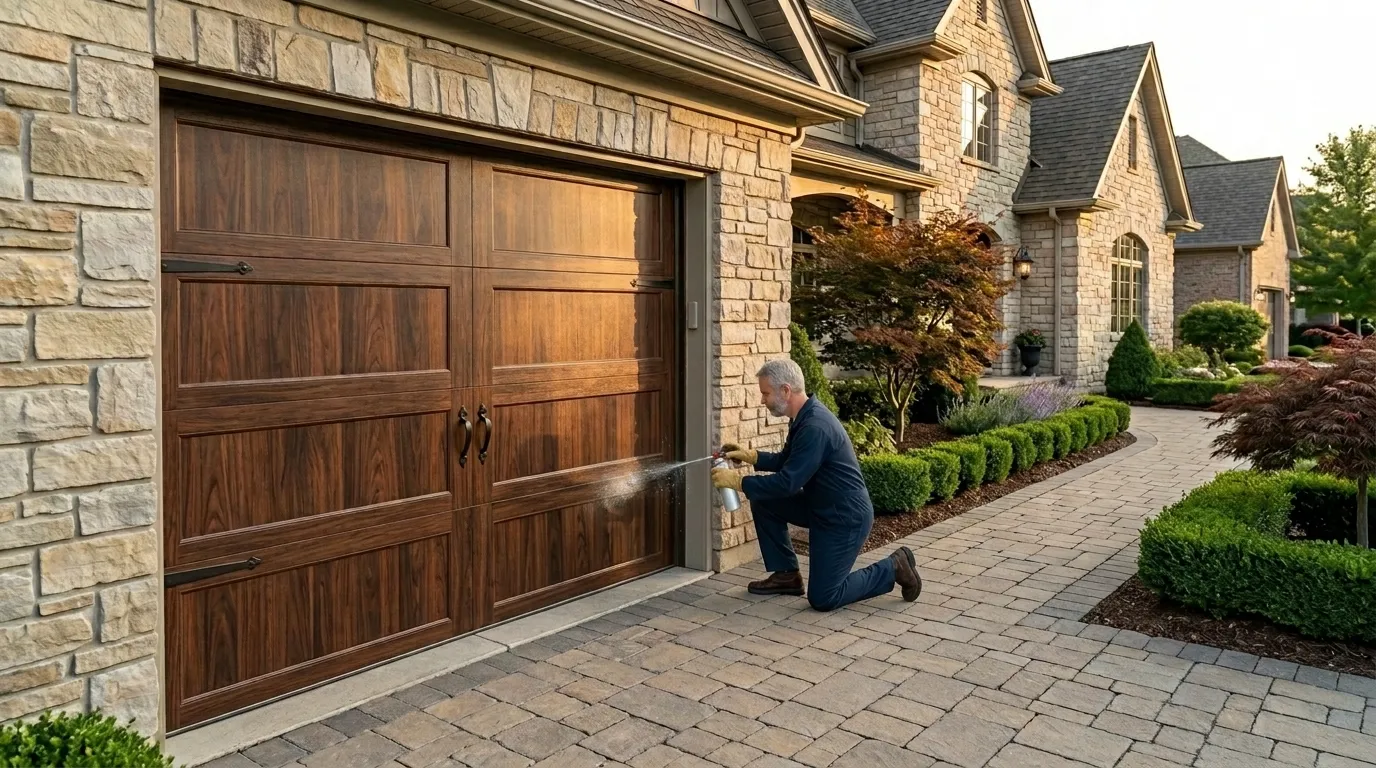
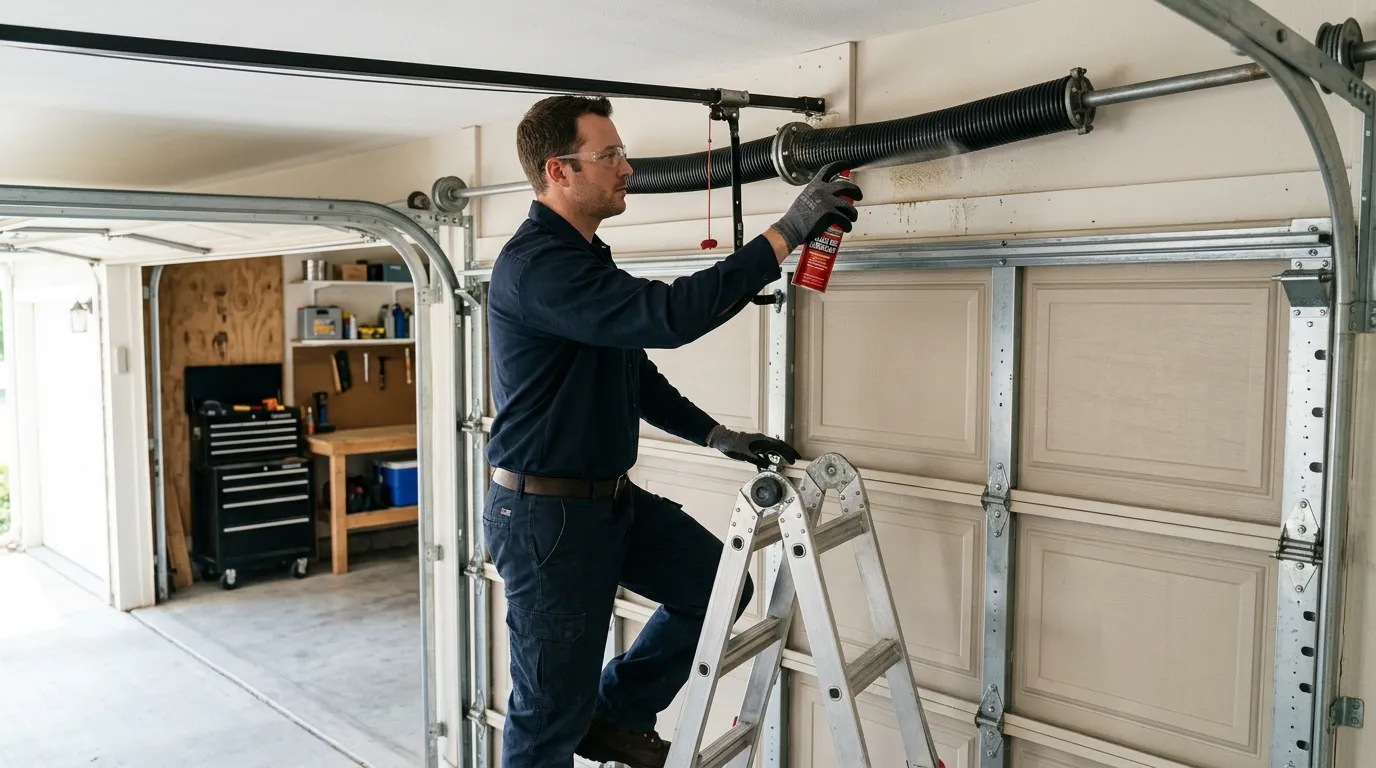
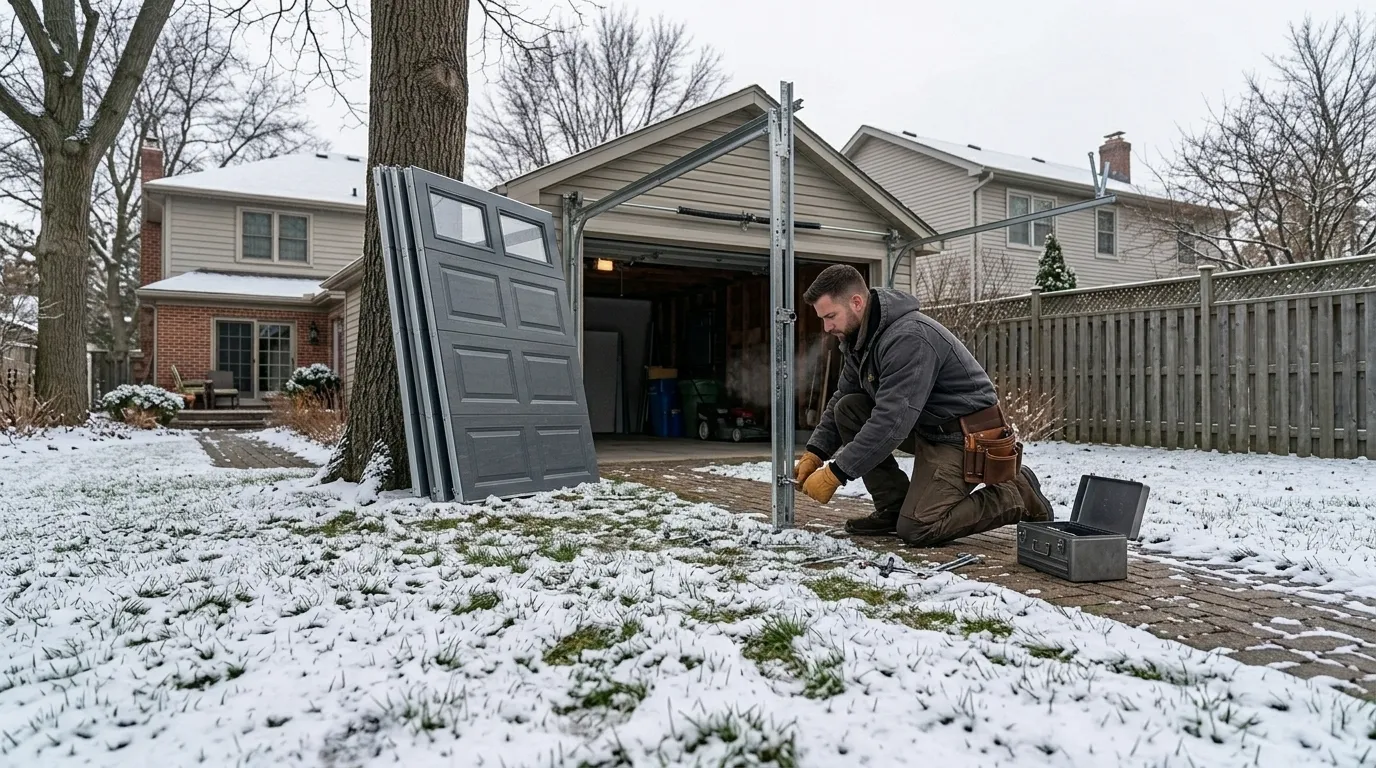
The mid-1990s steel doors common in American Fork came standard with galvanized torsion springs sized for the door weight of that era, not for whatever insulated retrofit panel got bolted on later if the door was ever swapped out. That mismatch is the single biggest cause of premature spring failure we see on houses this age. Add the cold moderate climate band this part of Utah sits in, and you get a second factor: grease inside the spring coils and the opener's gear housing thickens in the cold months, which puts more strain on a spring that was already undersized or already fatigued from 30 winters of that cycle. American Fork's household income runs around $95,823, a bit under the wider area's $107,617 median, and with 10,780 households in town, a fair share of that mid-1990s door stock has gone this long without anyone touching the hardware, since routine spring maintenance isn't something most people budget for until it fails.
Doing It Yourself
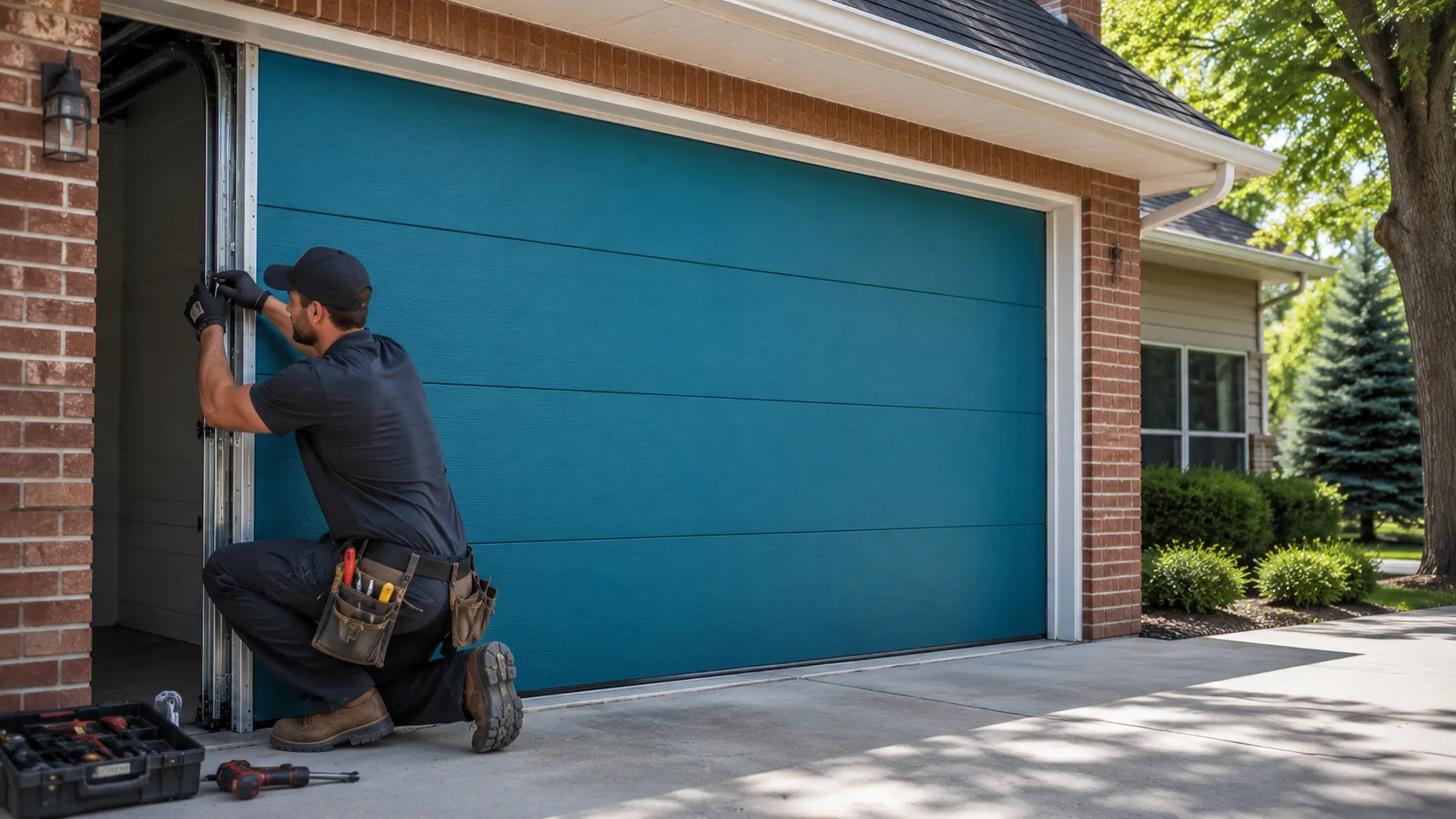
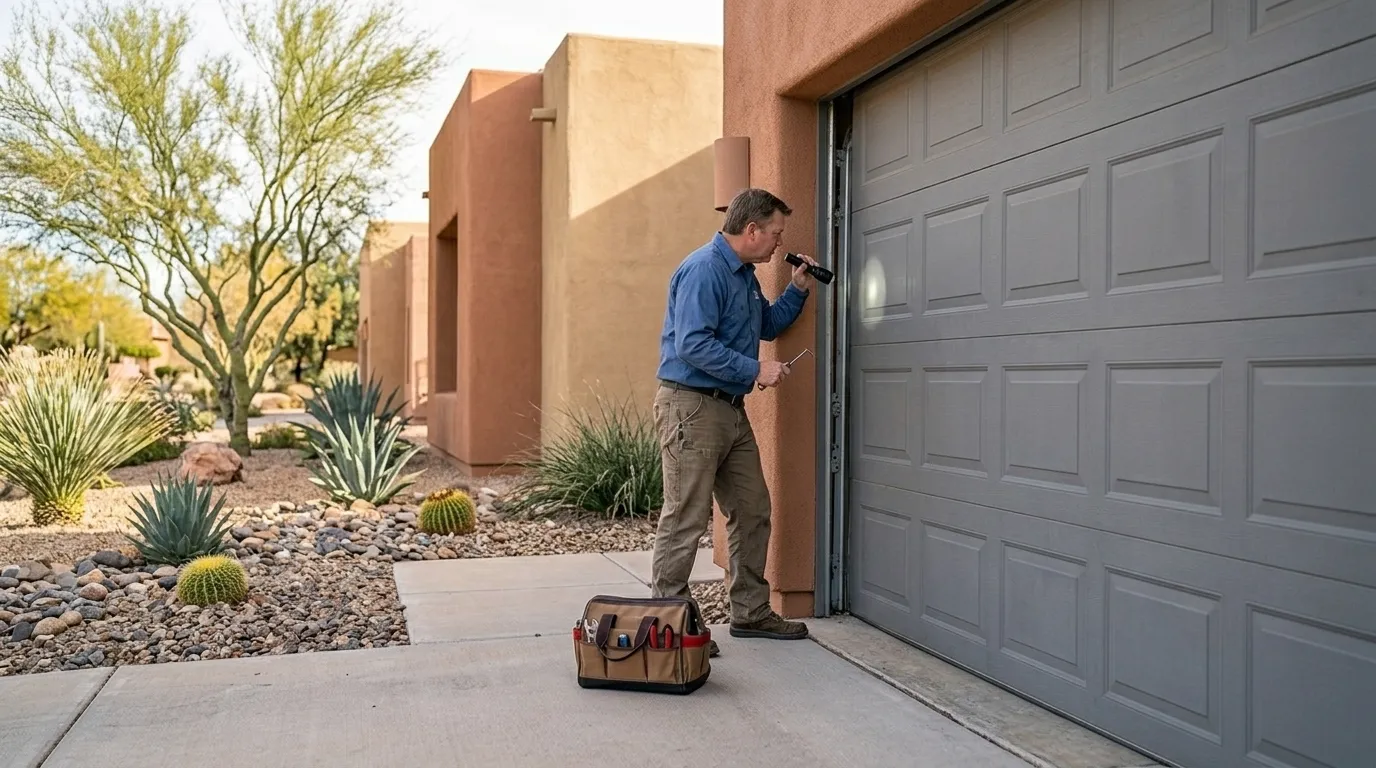
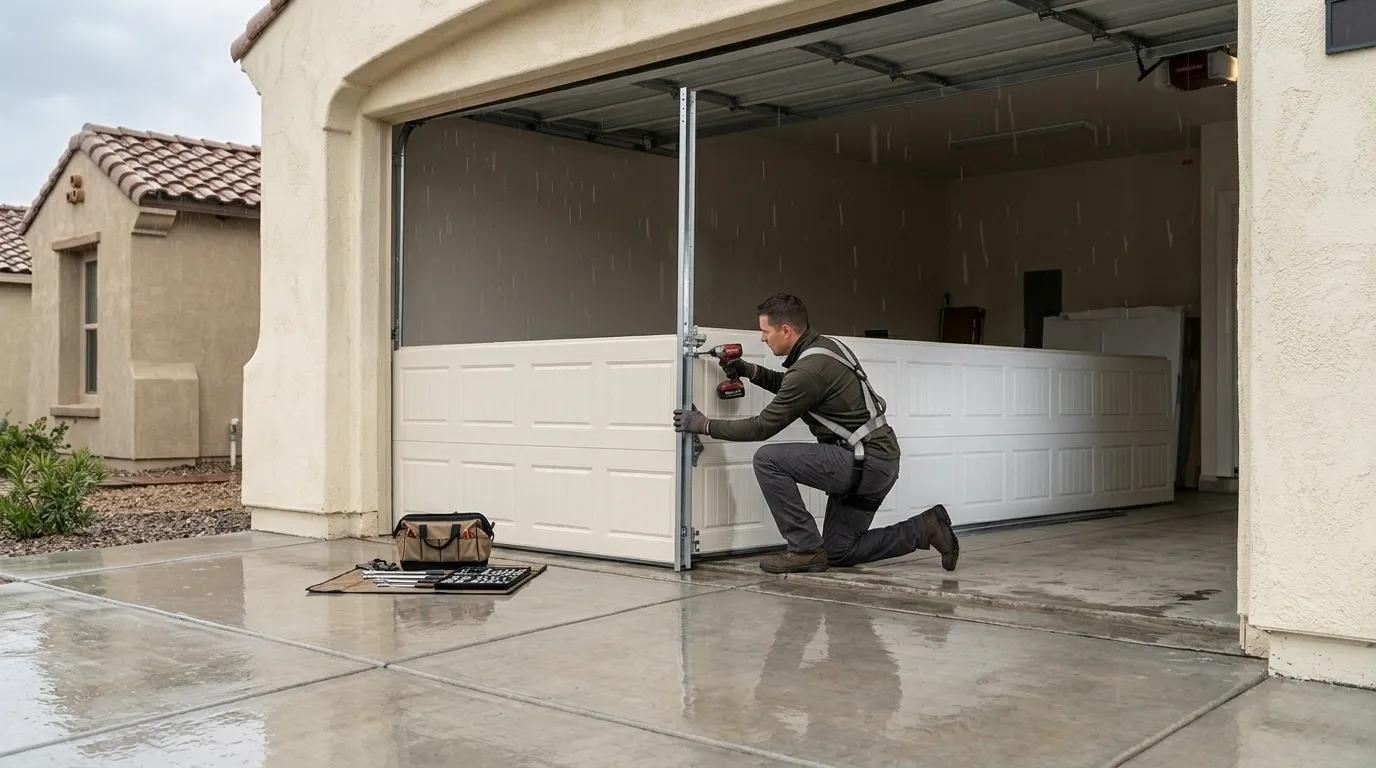
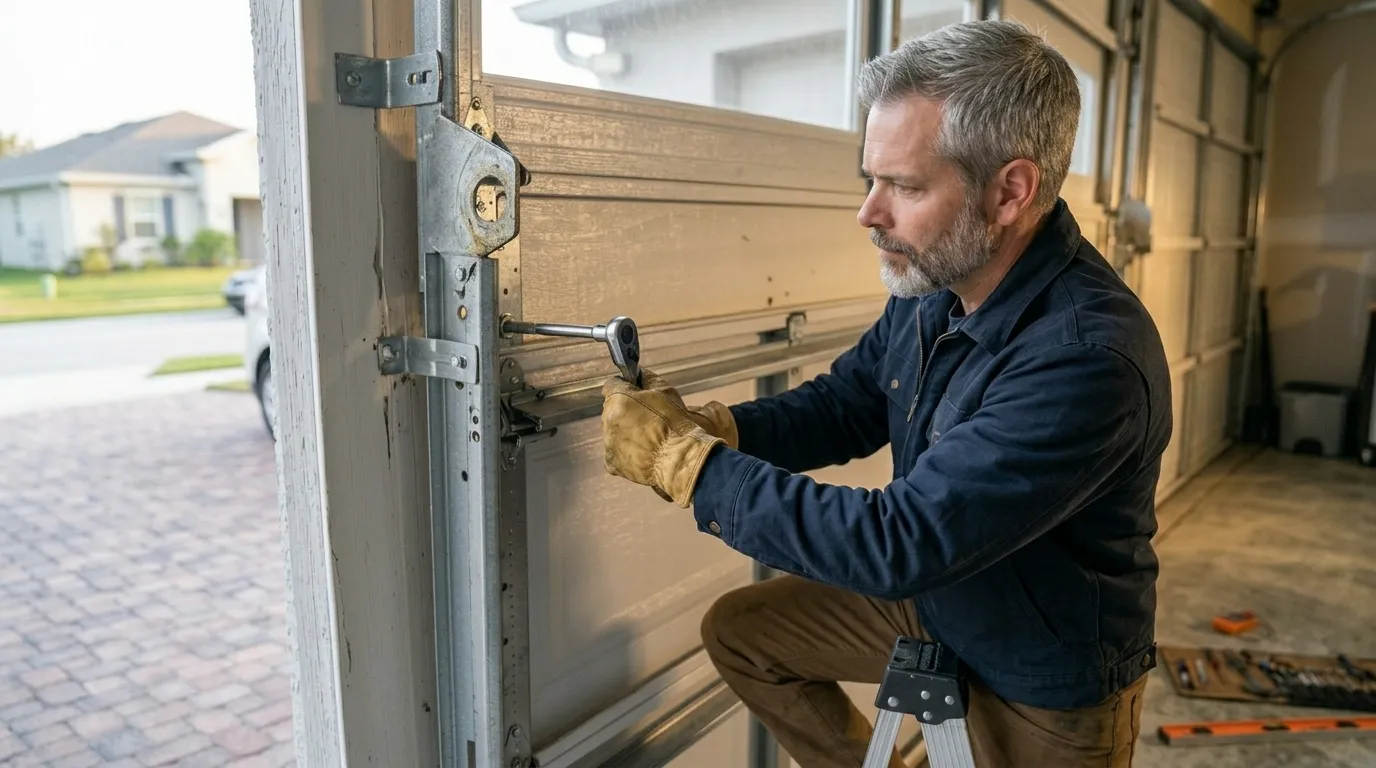
Some of this is fine to check on your own. Pull the release handle and move the door by hand - it should lift with one hand and stay roughly level wherever you let go. If it drops on its own or one side lags the other, that's spring tension gone, and you should stop opening it by motor until it's looked at. Tightening the bolts on the track brackets, and checking that the photo-eye sensors near the floor aren't knocked out of alignment, are both reasonable weekend jobs. What we don't recommend touching yourself: the torsion spring itself. It's wound under enough tension to break a hand or worse, and on a house this age, the winding cones and shaft are often original too, which means more can go wrong at once than on a newer setup. If you're not sure which side of that line you're on, that uncertainty is the answer.