How We Fix It
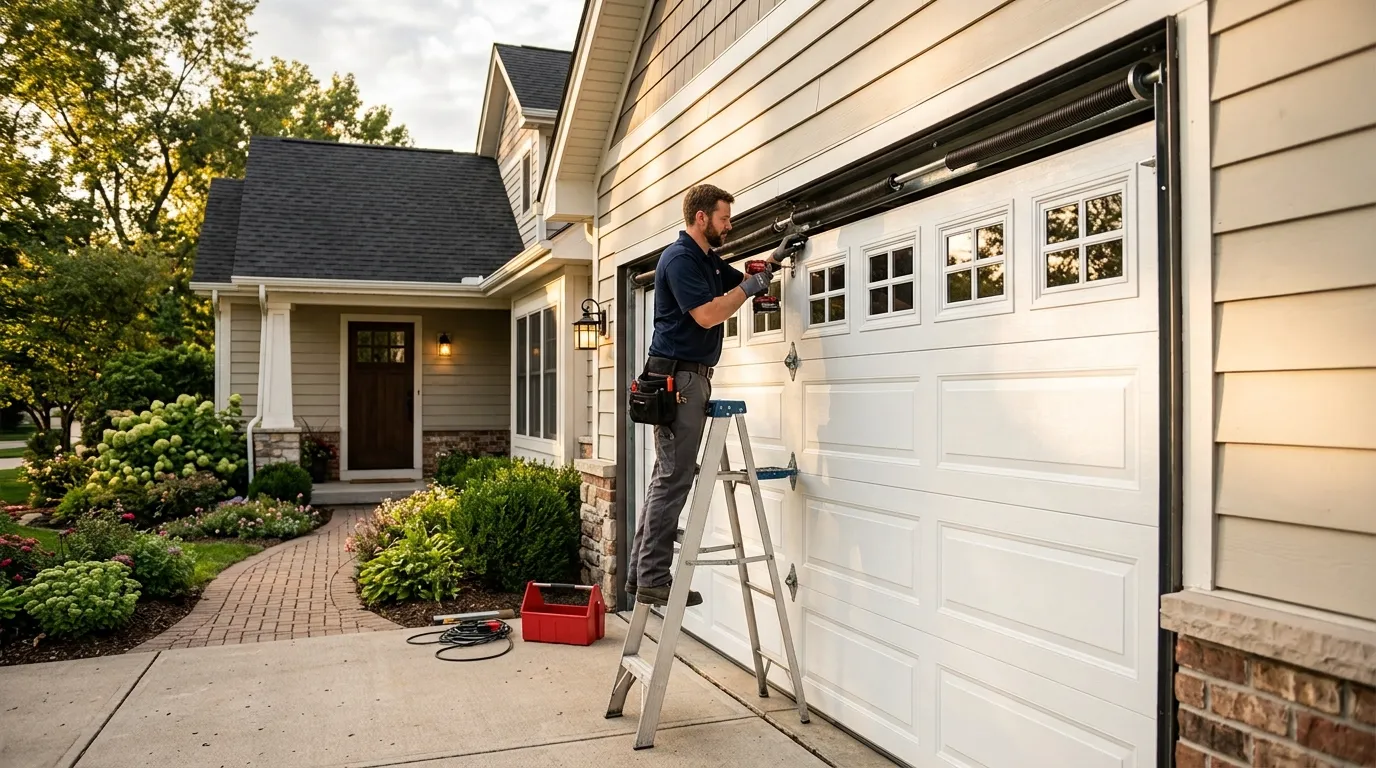
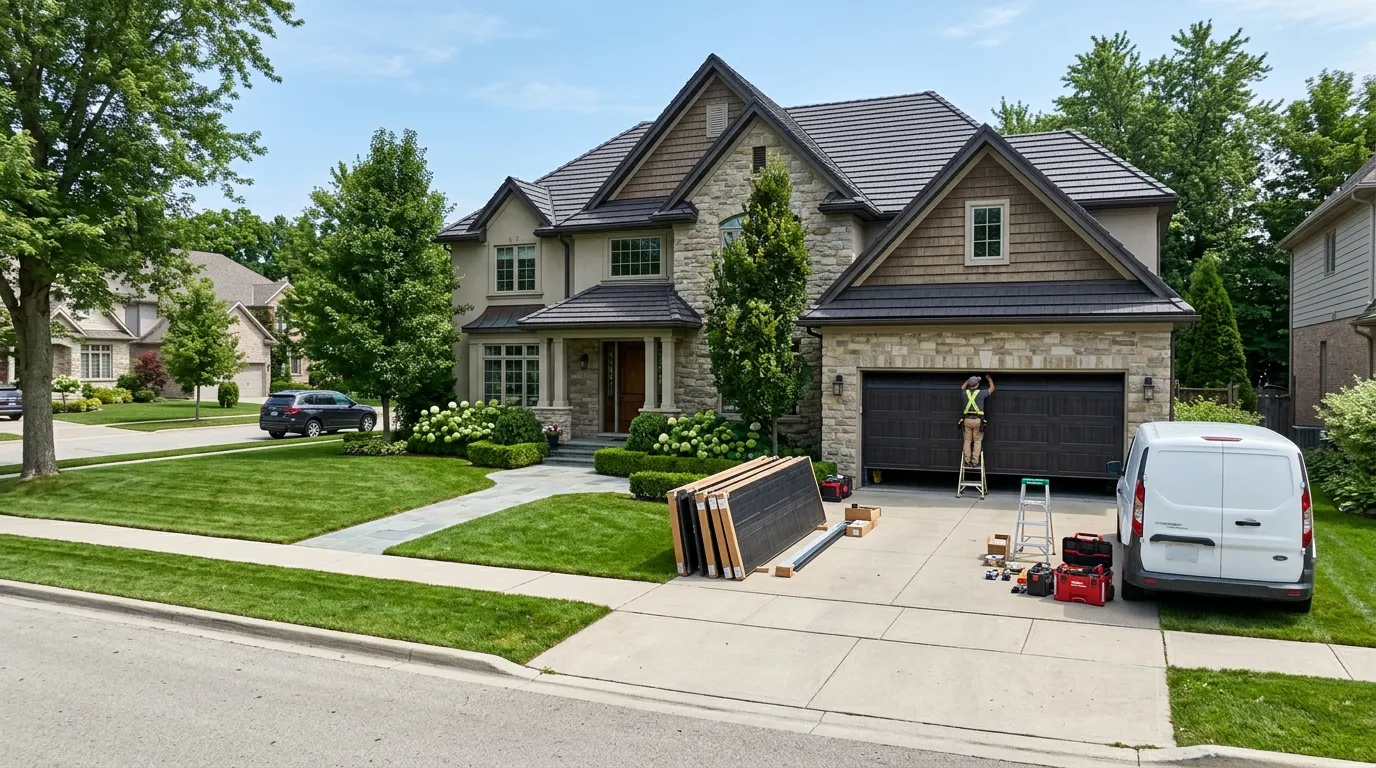
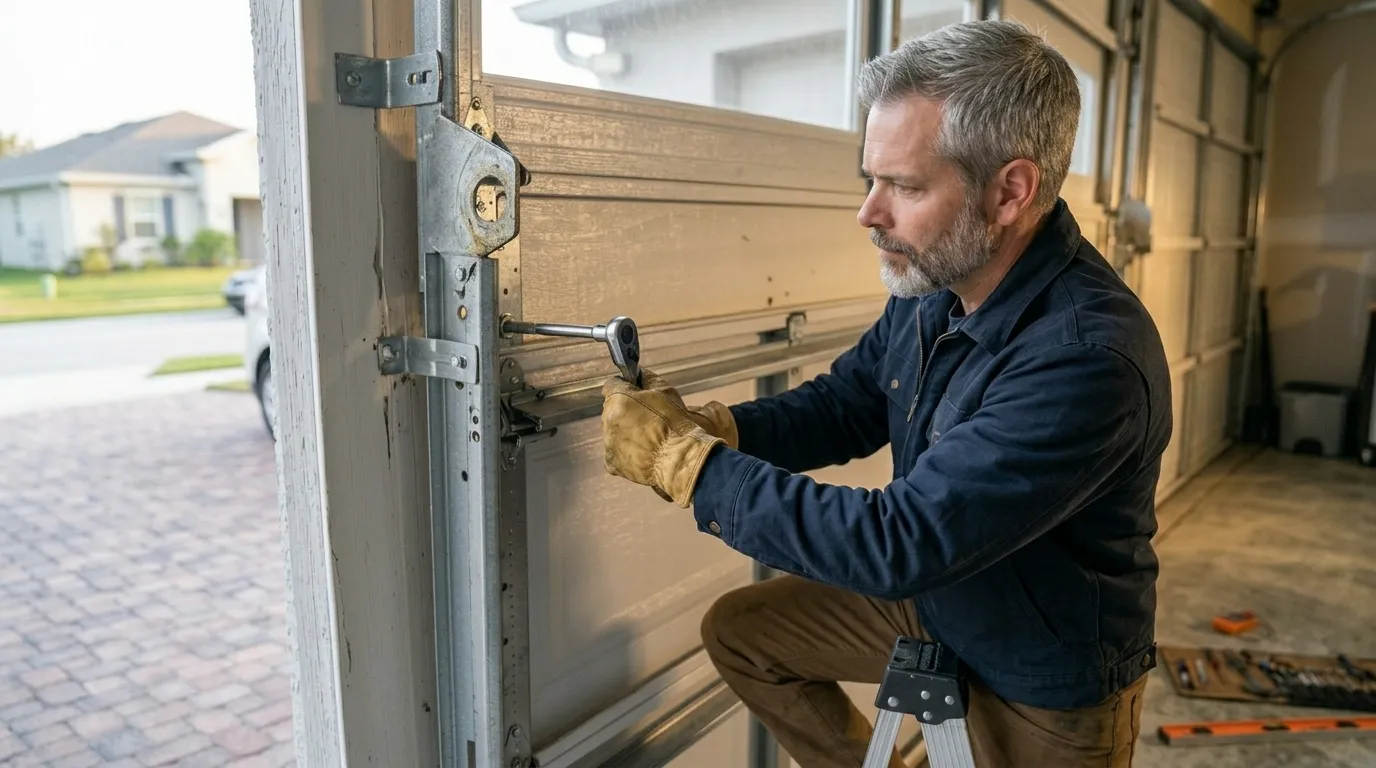
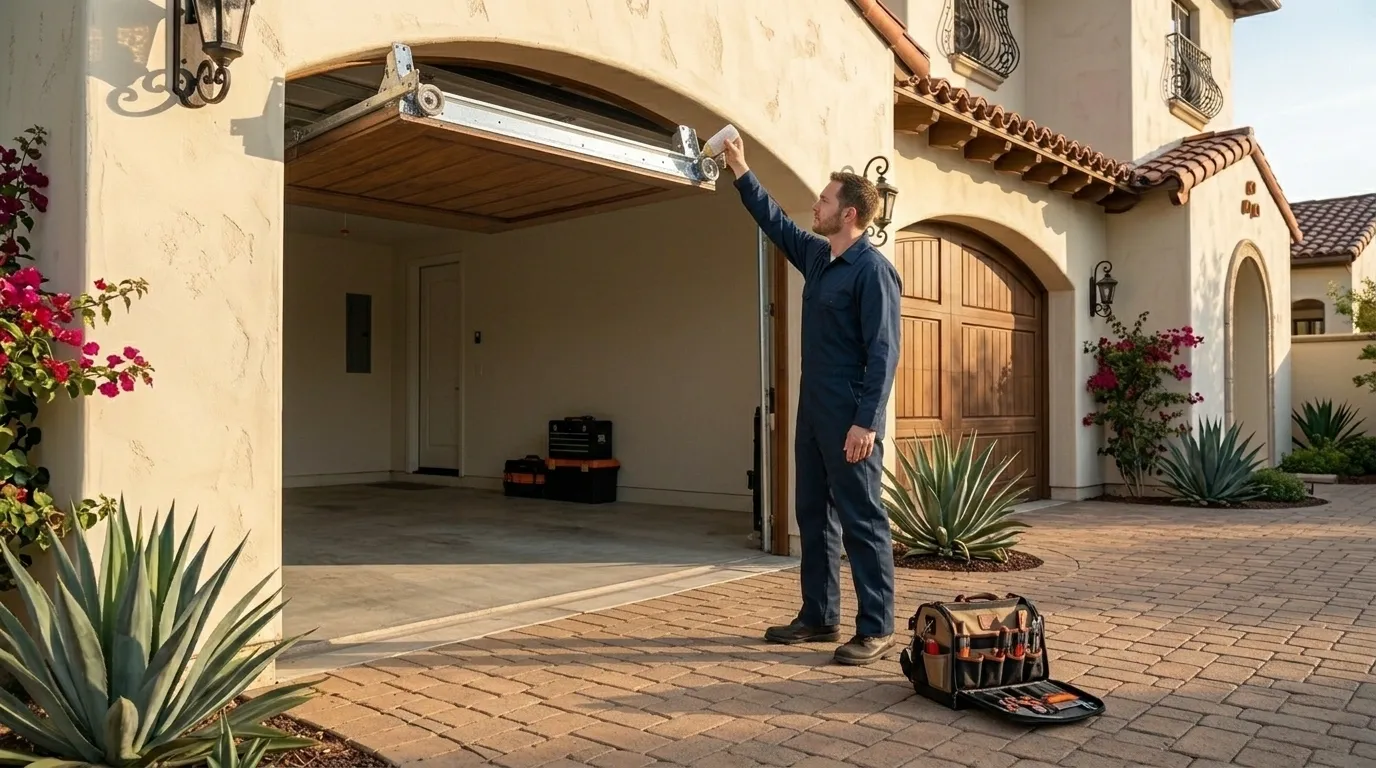
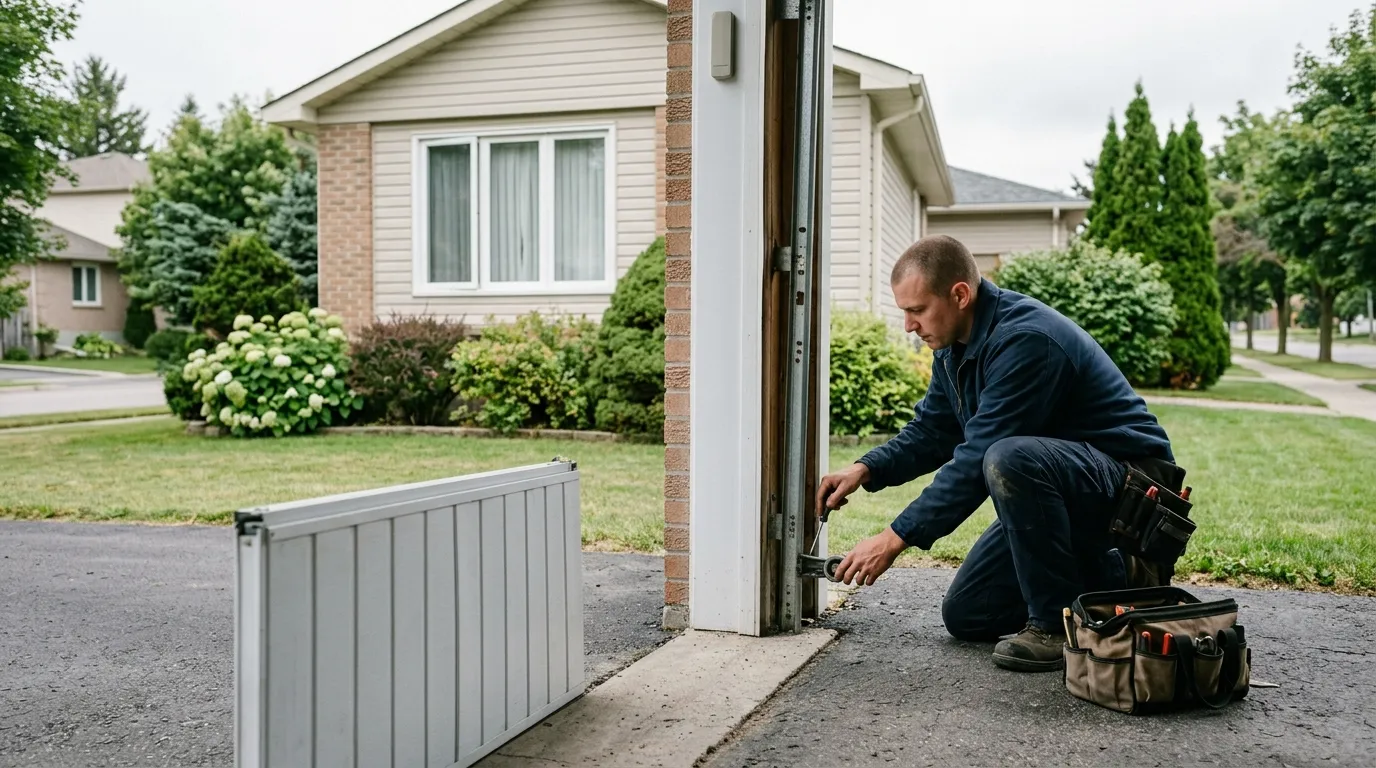
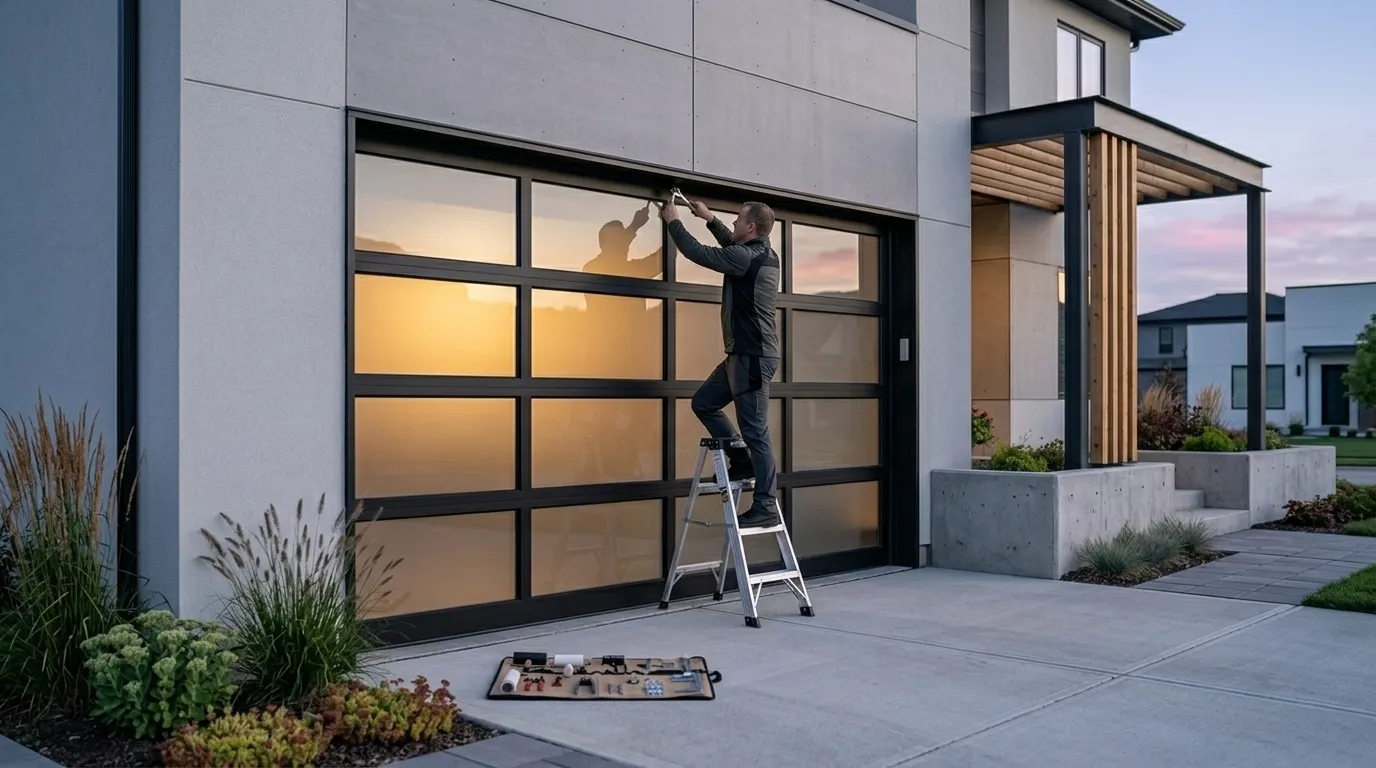
For new construction stock like this, the job is almost never a patch repair - it's a full swap. We pull the builder door, the builder track, and in most cases the builder opener, and put in a door rated for the actual opening width and the actual Utah winter, not the minimum the spec sheet allowed. In a cold-moderate climate band like this one, that means a door with real insulation value between the skins, not a foam bead glued to a single steel sheet.
We size the torsion spring to the door you're getting, not the one that's coming out - a heavier insulated door needs more spring, and running the old spring under a heavier panel is how openers burn out inside a year. If you're finishing space above the garage, we'll talk through opener wiring and headroom before the door goes in, not after. One thing we won't do: retrofit insulation panels onto a door that's already cracking at the stiles. If the panel's failing, you're buying a door twice - once for the patch, once for the real one six months later.
What It Costs
We don't quote a number in this space without seeing the opening - door width, ceiling clearance, and whether the opener needs new wiring changes the job more in a 2011-era house than in an older one, because these garages were built to varied builder specs even within the same subdivision. What we can tell you is that homes in this town more often need the step up from a builder-grade door to an insulated one, and that upgrade is priced differently than a straight swap of like for like. Ask for the breakdown when we're on site - we'll show you what the base door costs versus what the insulation upgrade adds, so you're not guessing which part of the number is optional.
What Can Go Wrong
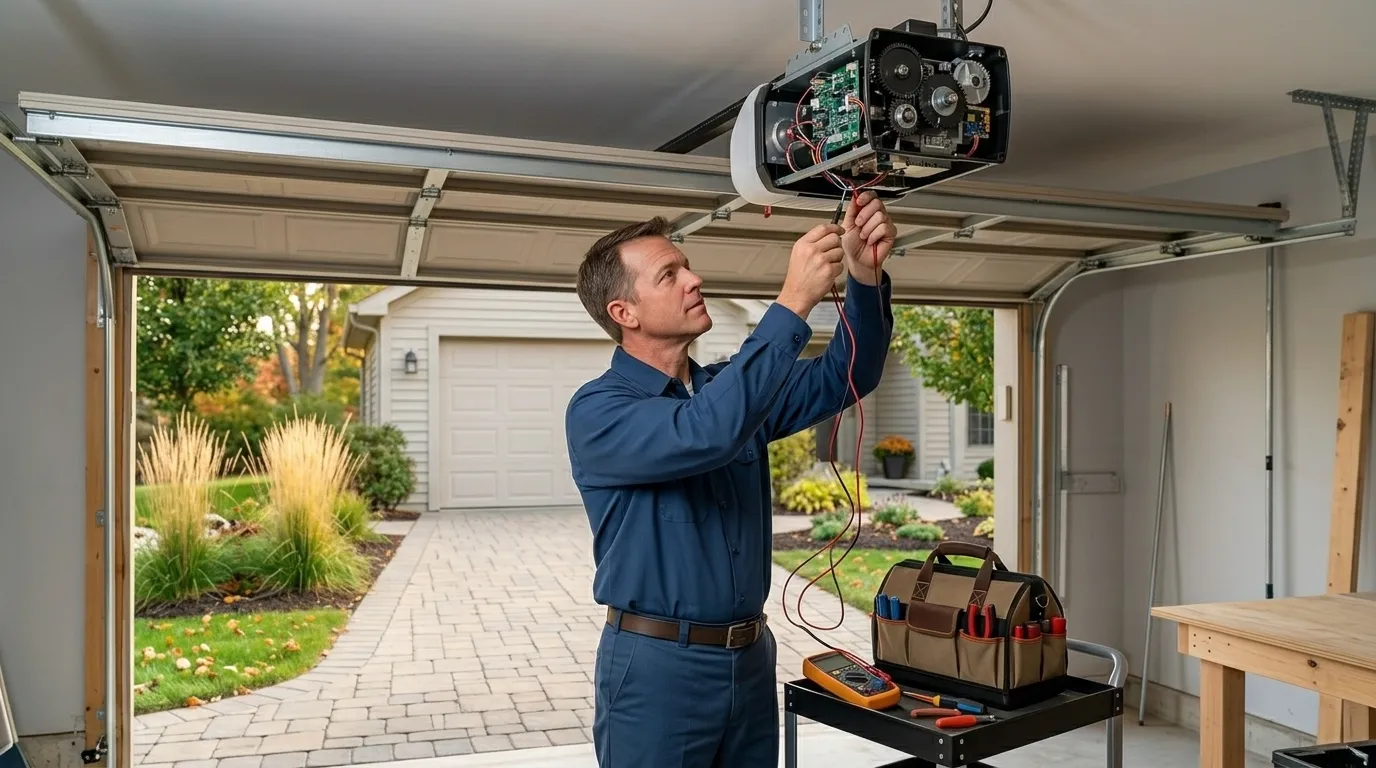
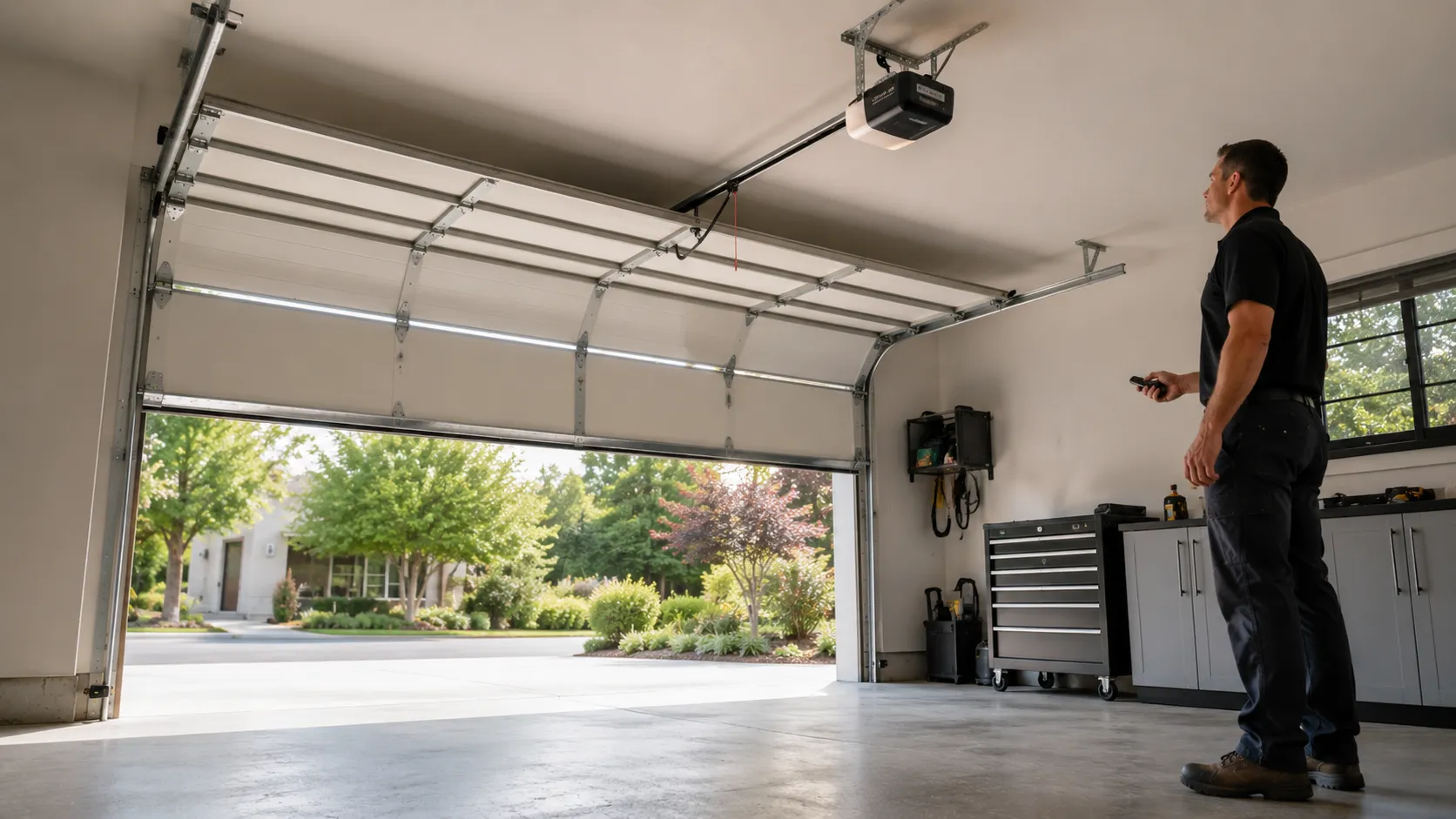
The most common mistake in a house this age is reusing the original opener with a new, heavier insulated door. The motor wasn't built for the added weight, and it'll run hot and quit early - sometimes within months. Another one: builder-grade openers in this era often shipped without rolling-code security or battery backup, and homeowners don't find out until a winter power outage traps the car inside. We'll flag both before we start, not after the invoice.
How Long It Takes
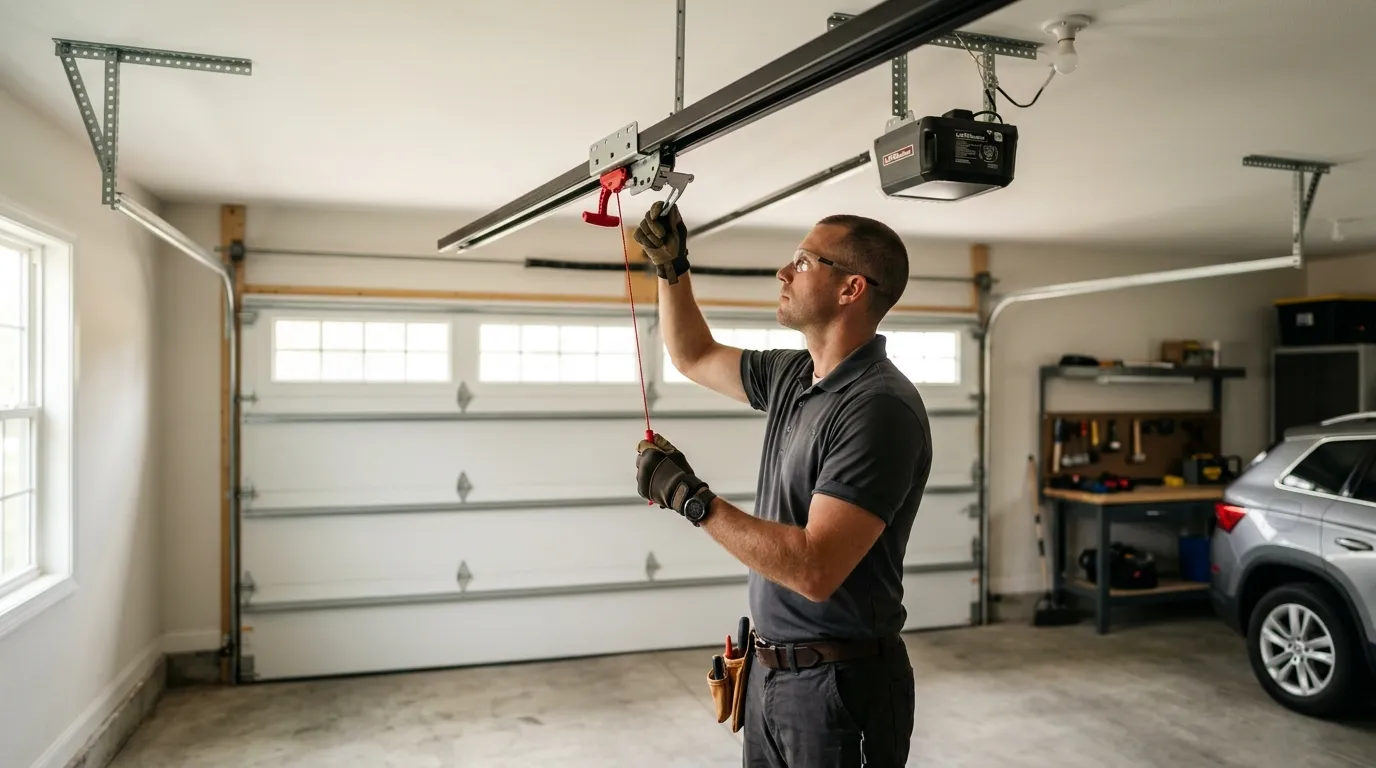
A straight door swap on an opening that's already correctly framed usually runs a few hours. Add a new opener, and you're looking at closer to half a day once we account for wiring and safety sensor alignment. The variable in Saratoga Springs specifically is headroom - some of these builder garages were framed tight to code minimum, and a low header means we're working around less clearance than a standard installer template assumes. We'll know within the first ten minutes on site whether that's the case for your door.