How We Fix It
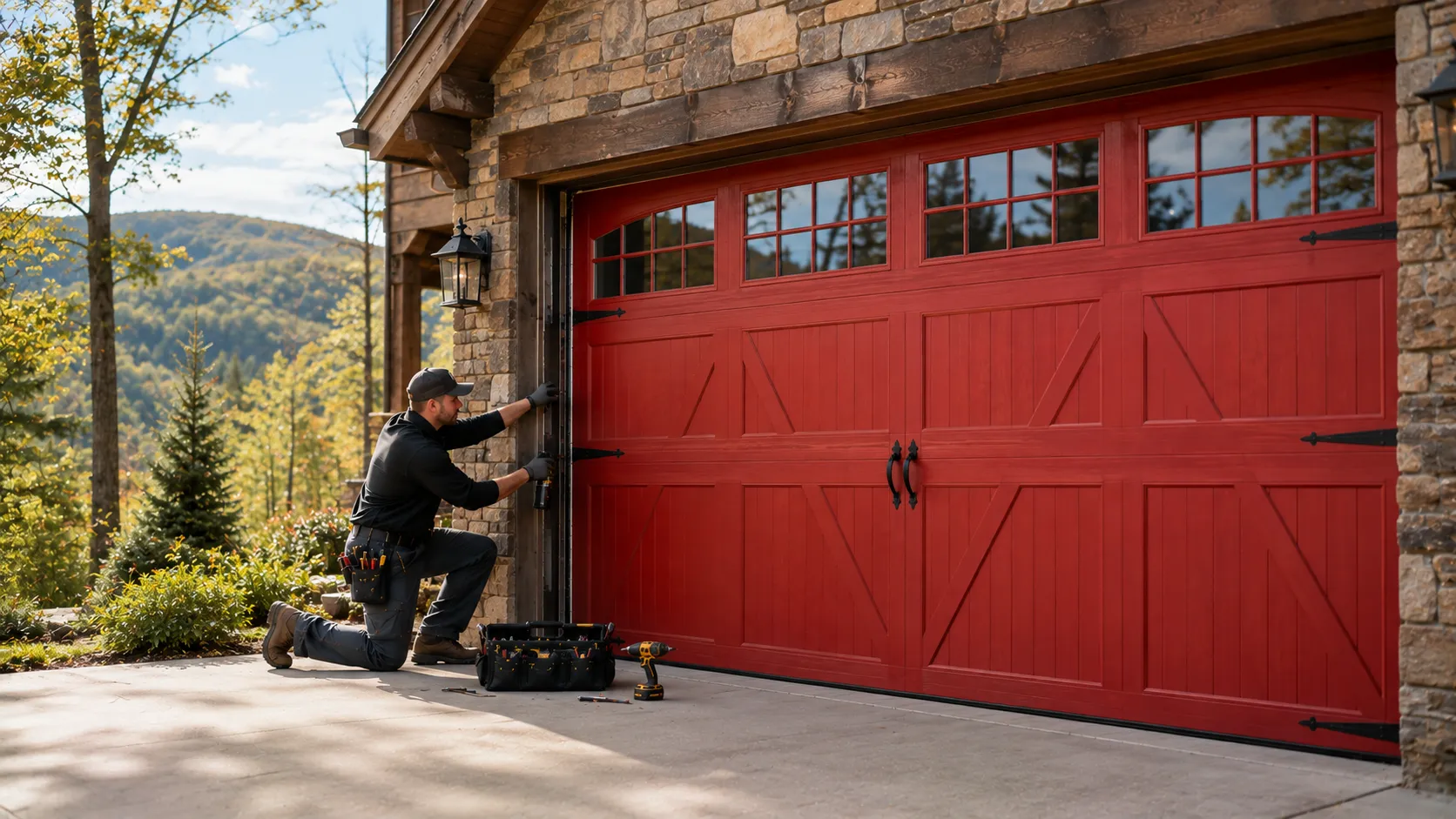
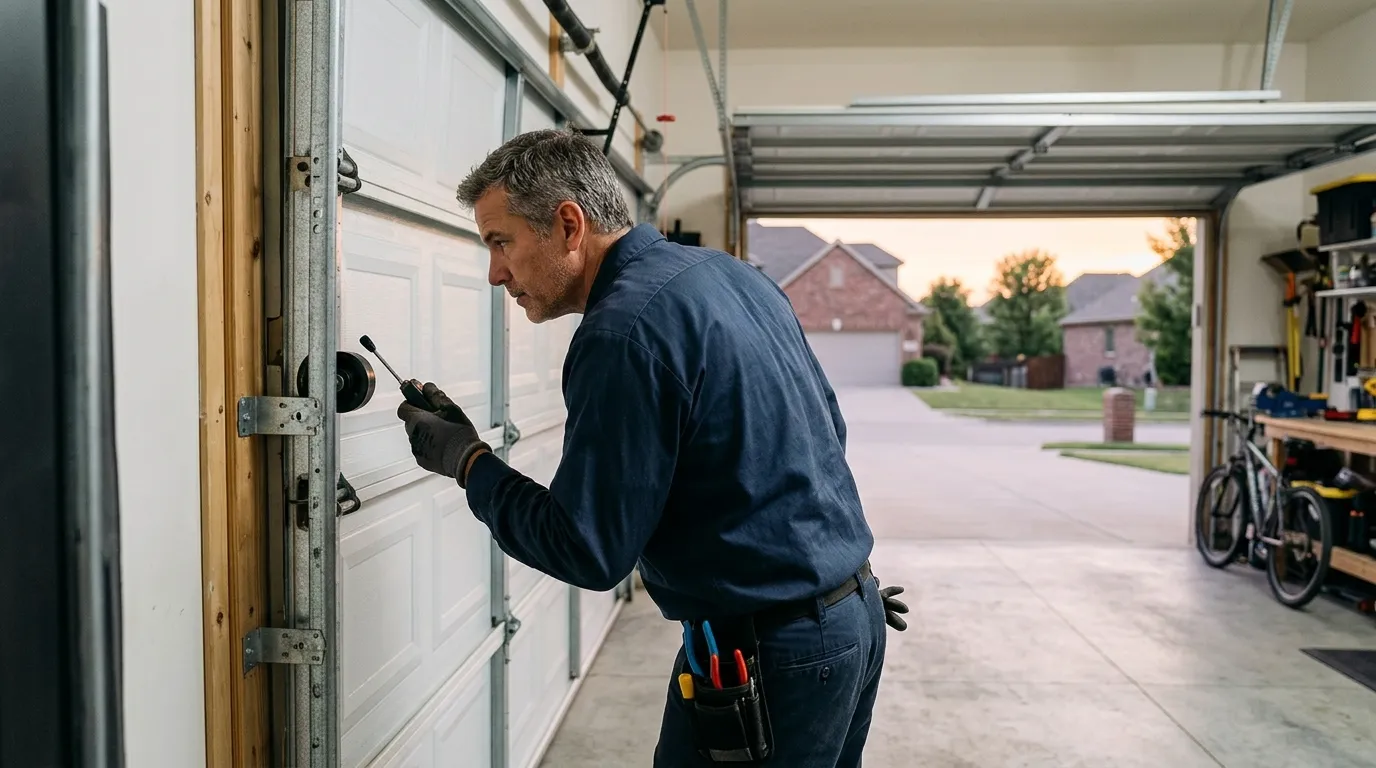
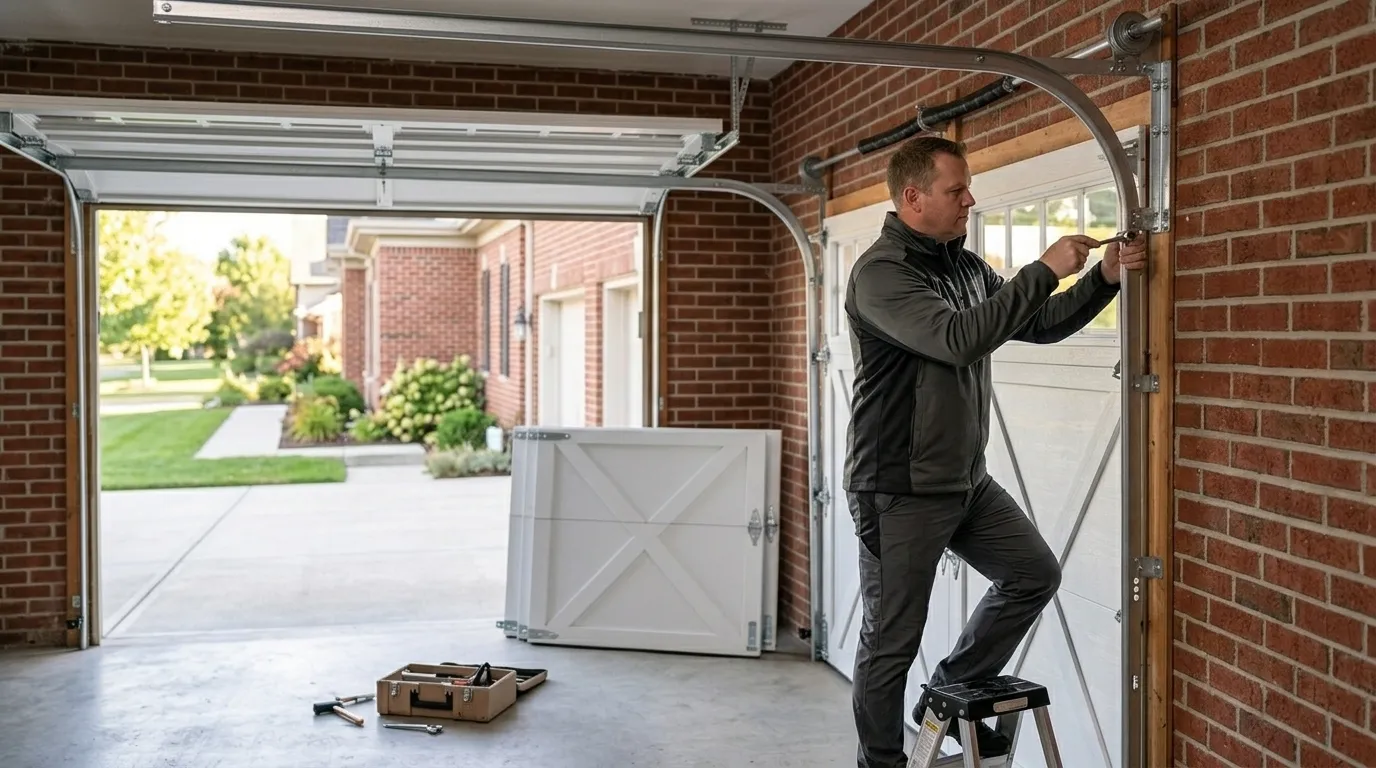
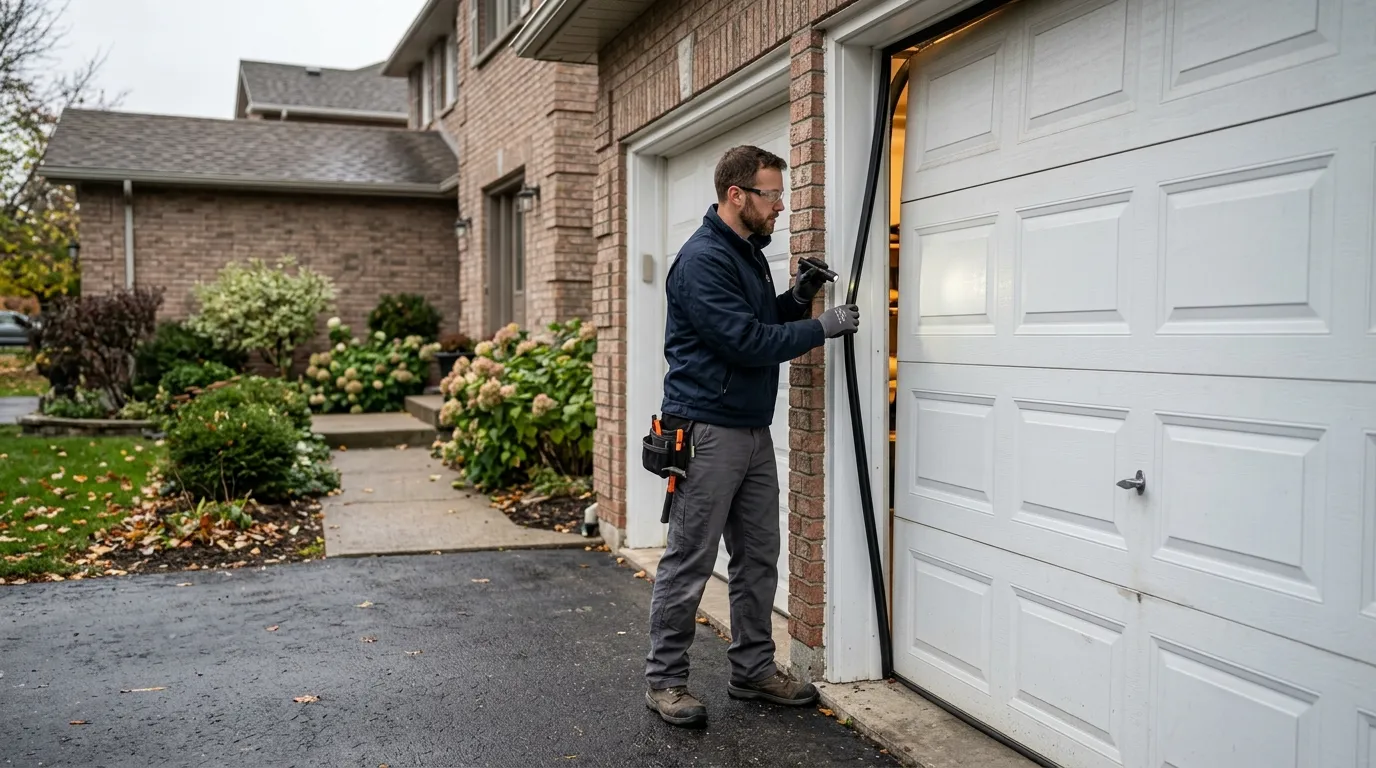
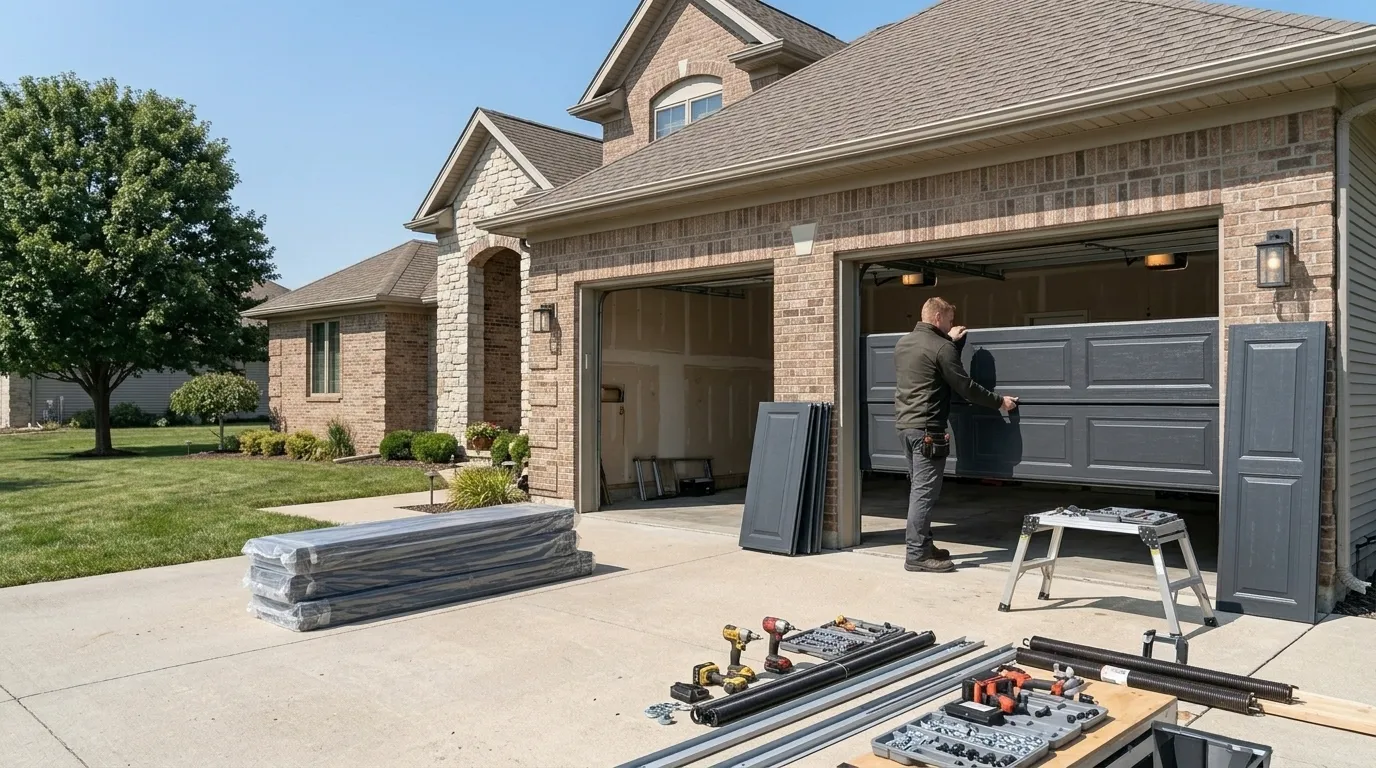
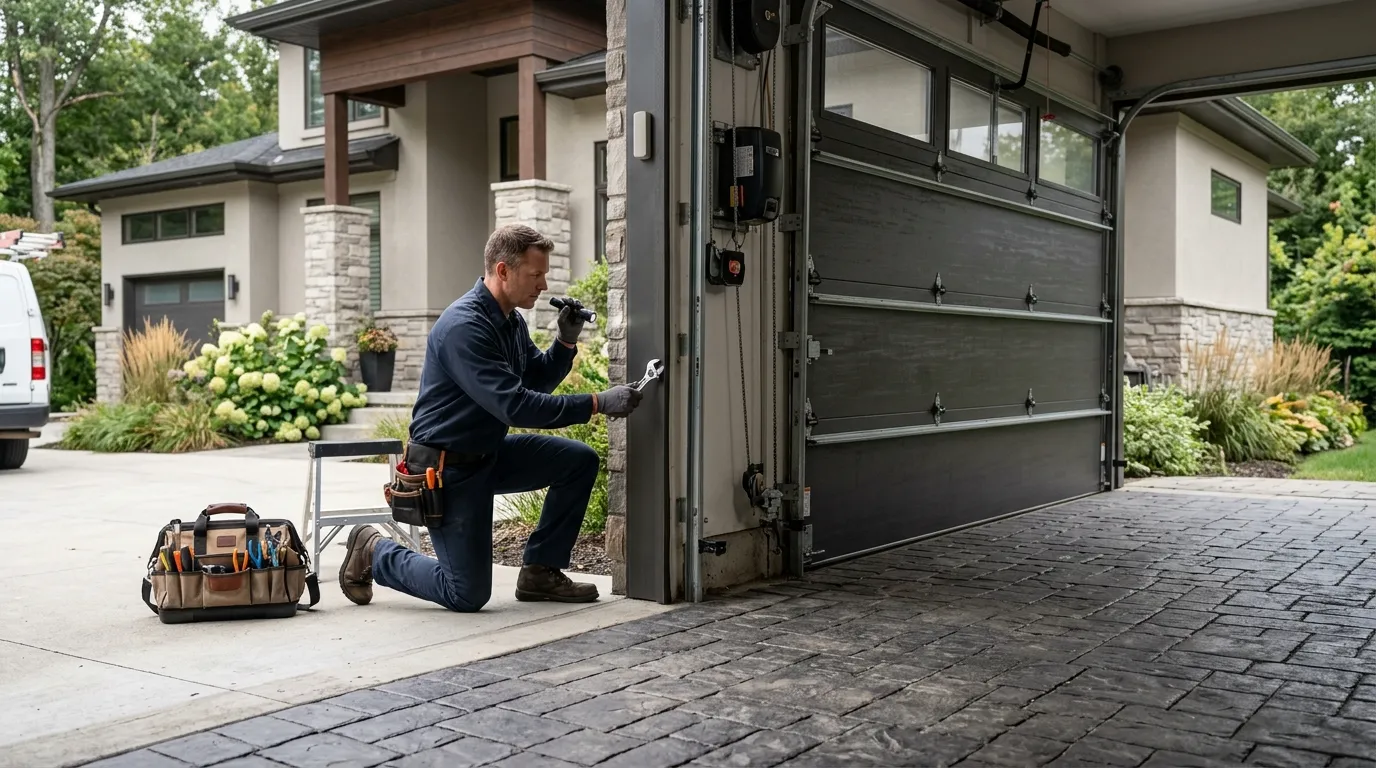
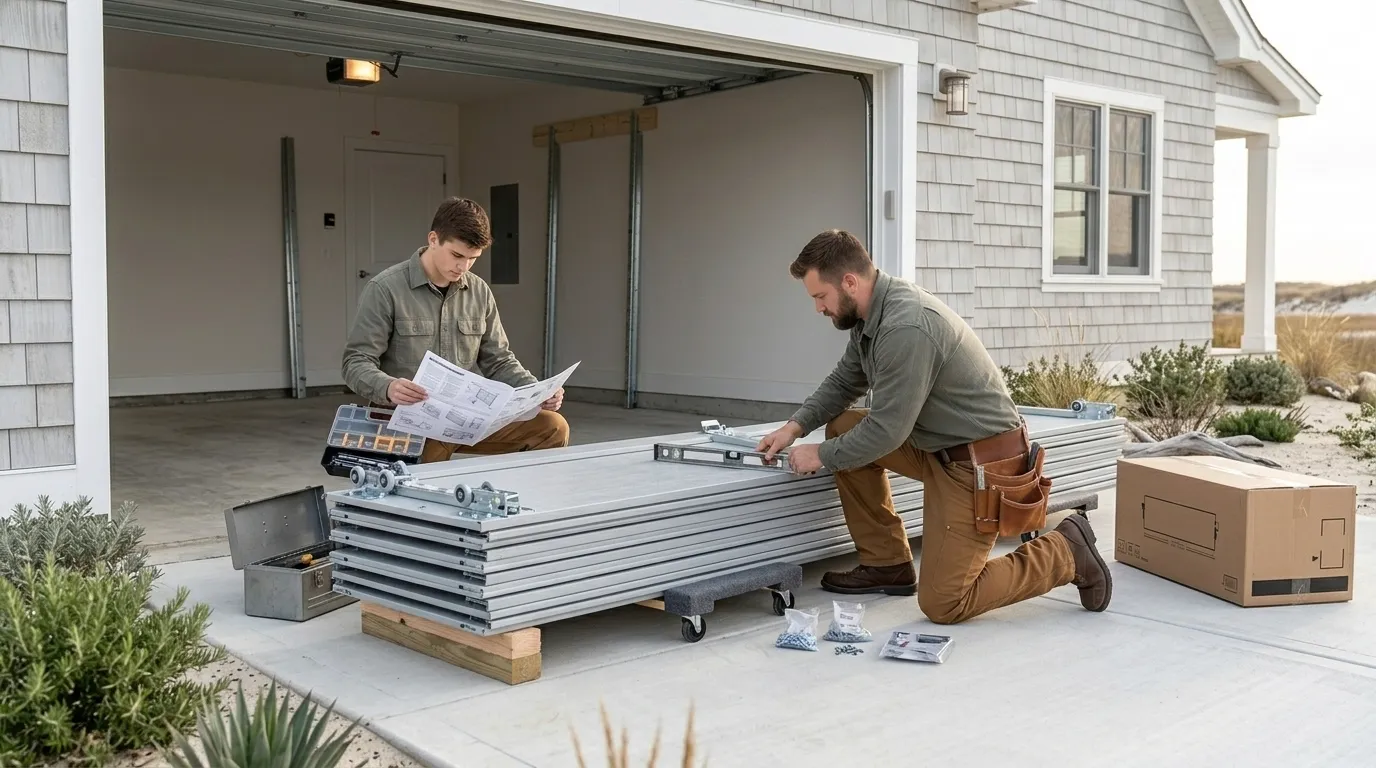
We come out from Orem - it's about 12 miles - with the opener on the truck, whether that's a chain-drive, belt-drive, or a jackshaft unit depending on your ceiling clearance and door type. On a 2011-or-newer build, we're rarely fighting old wiring or a rotted header, so the install itself usually goes faster than in an older home: mount the rail, hang the motor unit, wire the wall control, pair the remotes and any smartphone module, and set the travel limits and force settings so the door doesn't slam or stall.\n\nWe test the safety reversal and the photo-eye sensors before we call it done - those sensors are a common failure point on openers of any age, and on a house this recent we still check the wiring hasn't been pinched or the eyes knocked out of alignment during other work in the garage.\n\nOne limitation worth saying plainly: if your existing opener is wired into a smart-home or security panel setup, we're not always able to match that specific integration on install day - sometimes that requires a part or a return trip. We'll tell you upfront if that's the case rather than guess.
What It Costs
We don't have a fixed price to quote here without seeing the door, the ceiling height, and whether you want a chain-drive, belt-drive, or jackshaft unit - those carry different price points. What we can say is that Saratoga Springs' median household income, at $123,619, is well above the wider service area's $107,617, and homeowners here more often ask for the quieter belt-drive or smart-enabled units rather than the base chain-drive model. That's a preference, not a requirement - a chain-drive opener still does the job on a standard double door.\n\nCall or book through the site and we'll give you a number for your specific door before we start, not after.
What Can Go Wrong
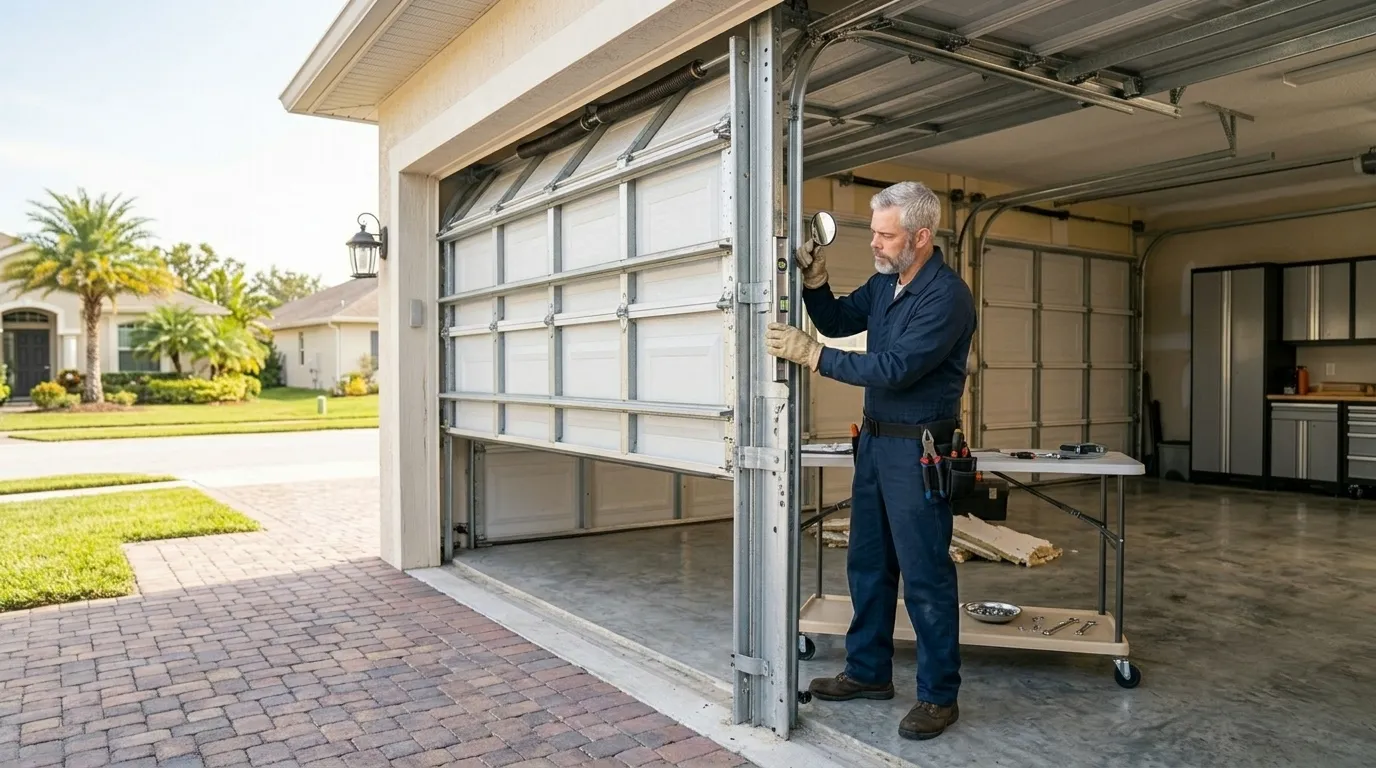
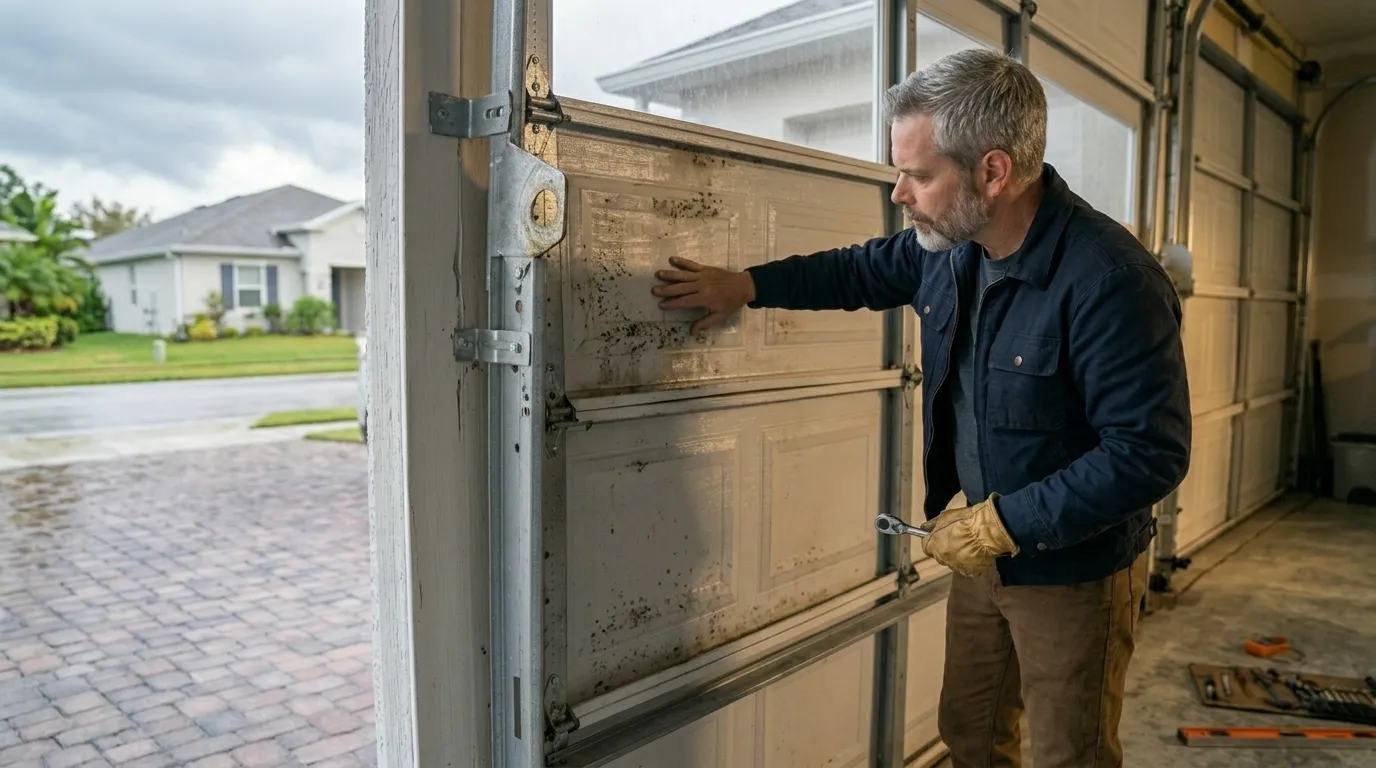
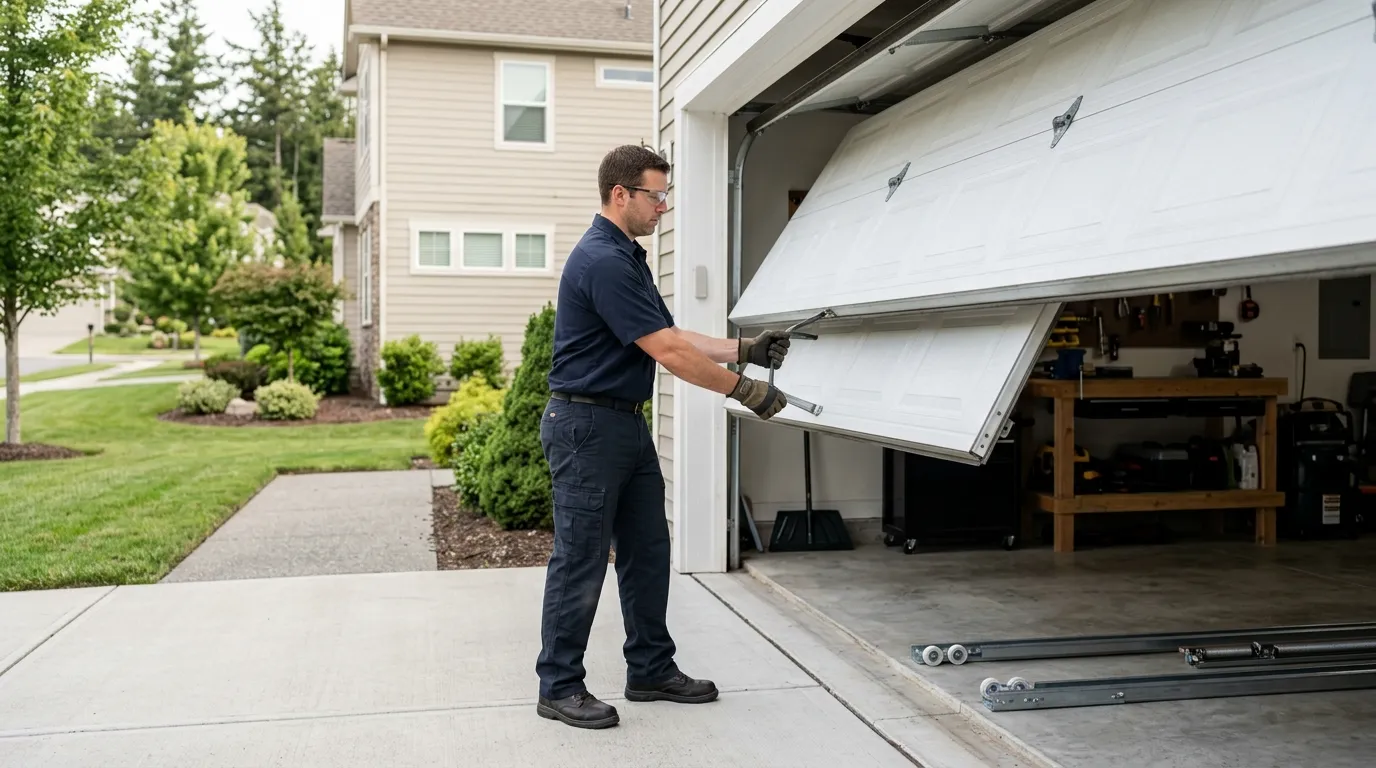
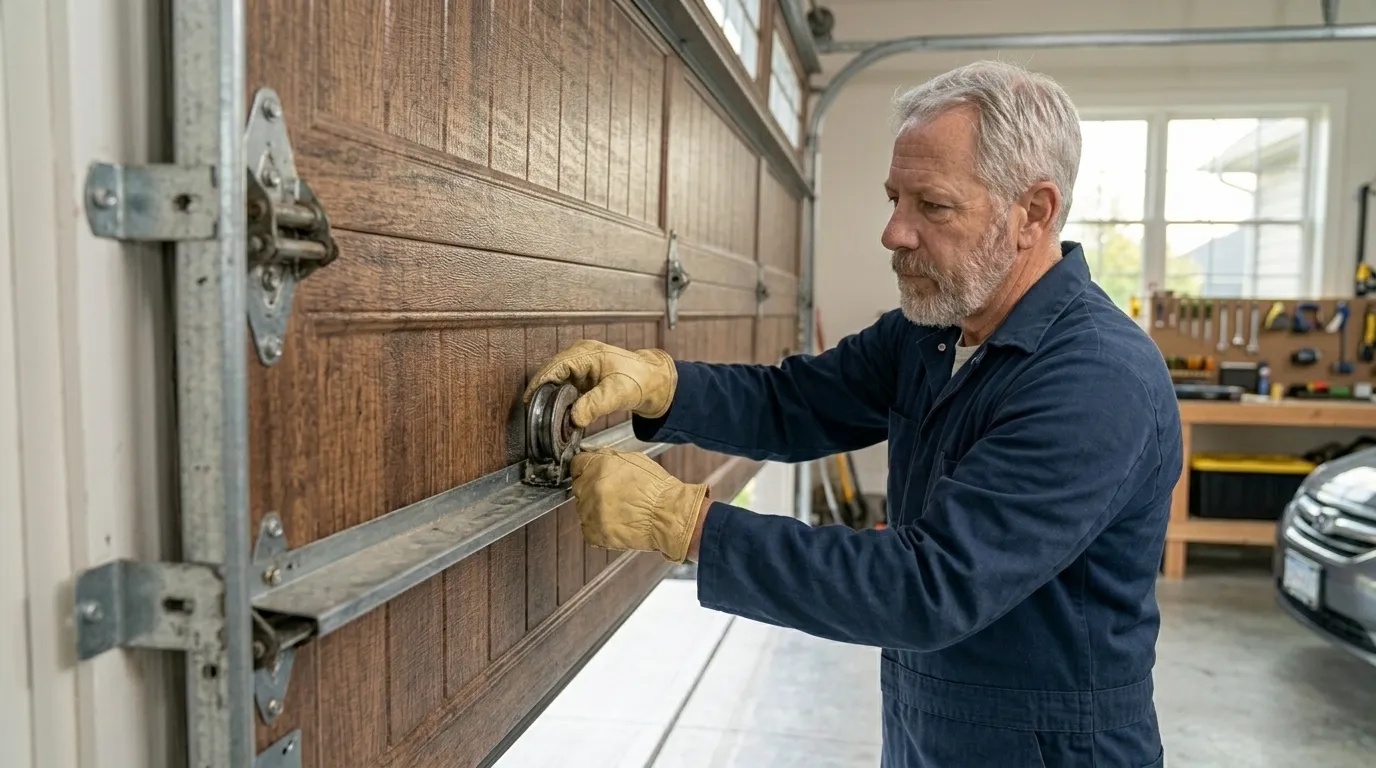
On a house this age, the opener itself is usually the straightforward part. What trips up an install more often is the door side of things - if the door's original springs or cables are original to a 2011 build, they're roughly at the age where torsion springs start weakening, and an opener working against a spring that's lost tension will strain and burn out faster, sometimes within the first year.\n\nAnother thing we run into in newer subdivisions like this: insulated garages with finished ceilings, where running a new opener's wiring means working around drywall or finished trim rather than open framing. That adds time to the job that an older, unfinished garage wouldn't.\n\nAnd cold matters here - this area sits in a moderate-cold climate band, and openers with plastic gears or older lubricant can bind up on the coldest mornings of the year. If your opener's already struggling in warm months, don't expect it to hold on through winter.
How Long It Takes
A straightforward opener swap on a Saratoga Springs house - same rail length, same door, no rewiring - usually runs a couple hours from arrival to a tested, working door. Add time if the ceiling is finished and we need to run new wiring behind drywall, or if the springs need attention first; we won't hang a new motor on hardware that's about to fail underneath it. If your visit needs a part we don't carry on the truck, we'll tell you that on-site and get you a return date rather than leave the job half done.