What Causes It Around Here
Lehi's housing stock runs newer than a lot of the area we cover - the median build year here is around 2007, well past the 1977-2015 range that spans the wider service territory. That means most garage doors here came with a builder-grade opener from the mid-2000s, the kind installed to meet a spec sheet, not to last twenty years. Those units are now hitting the age where capacitors, gears, and logic boards start failing without warning.
The service area sits in a cold-moderate climate band, and that matters for opener life even in a newer house. Winter cold makes grease in the drive gear stiffen and pull harder on the motor at the exact moment the door is heaviest with frost or a stuck weatherstrip. An opener rated for a light aluminum door struggles on a colder morning even if it worked fine all summer.
We also see openers here that were never matched to the door in the first place - a heavier insulated door added later, still running the light-duty unit that came with the house. That mismatch shortens the opener's life regardless of the manufacturer.
Booking a Visit
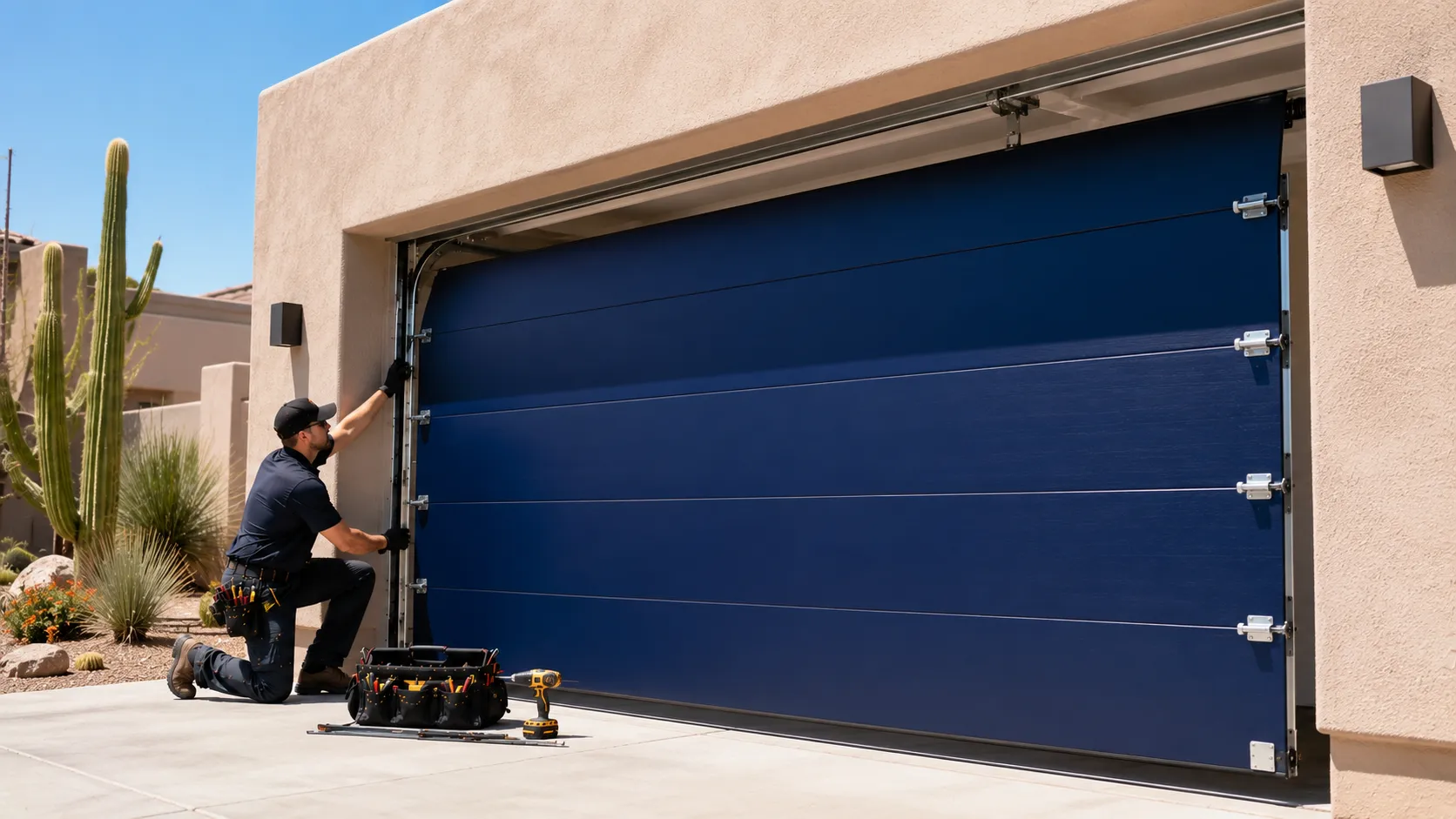
We schedule the Lehi run from our Orem shop, roughly 12 miles out, so we ask a few things up front to load the right opener and hardware before we drive out: the door's approximate age, whether it's insulated, and whether the current opener is dead or just acting up. That saves a second trip.
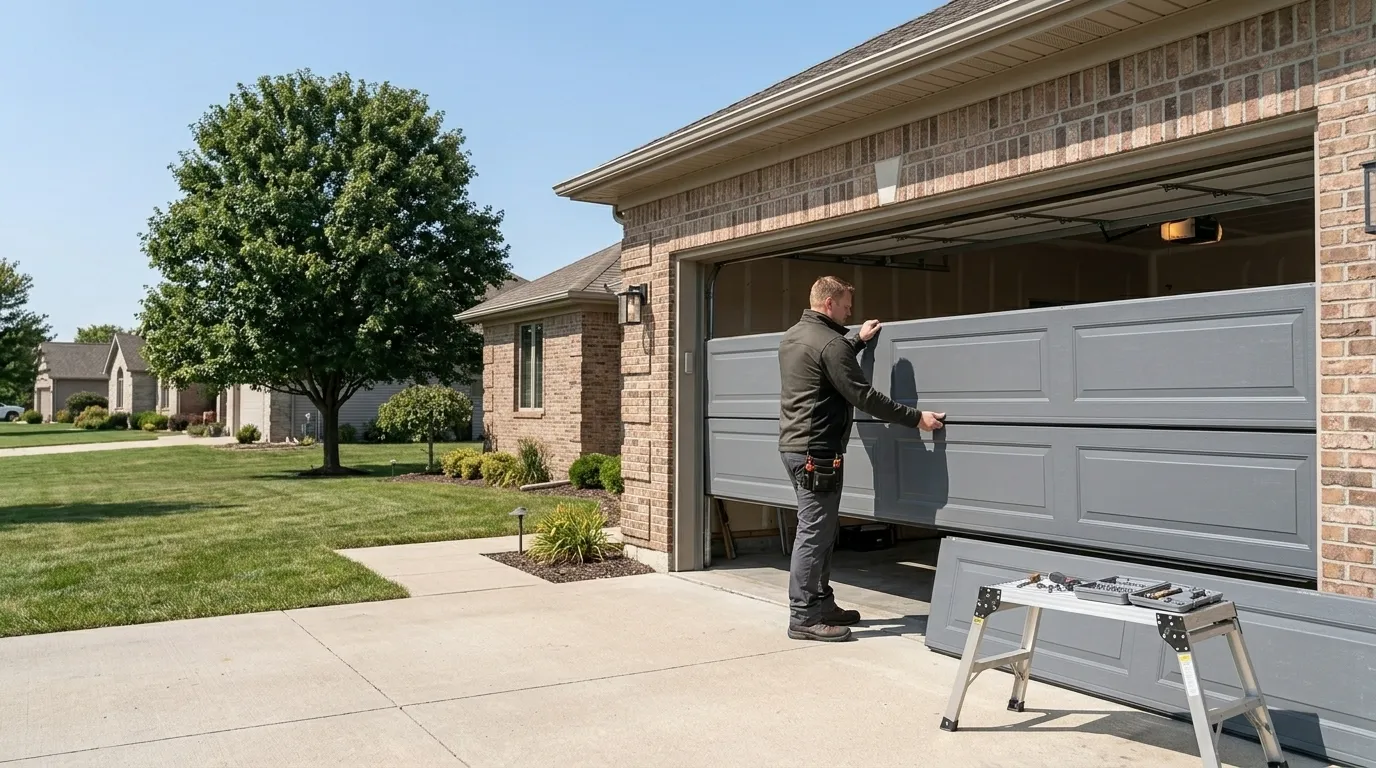
We don't keep a branch or drop-off counter in Lehi - every job here is a scheduled visit from Orem, so same-day availability depends on the day's route, not a promise we can make blind. If your opener failure has left the door stuck shut with the car inside, tell us that when you call; it changes how we plan the visit.
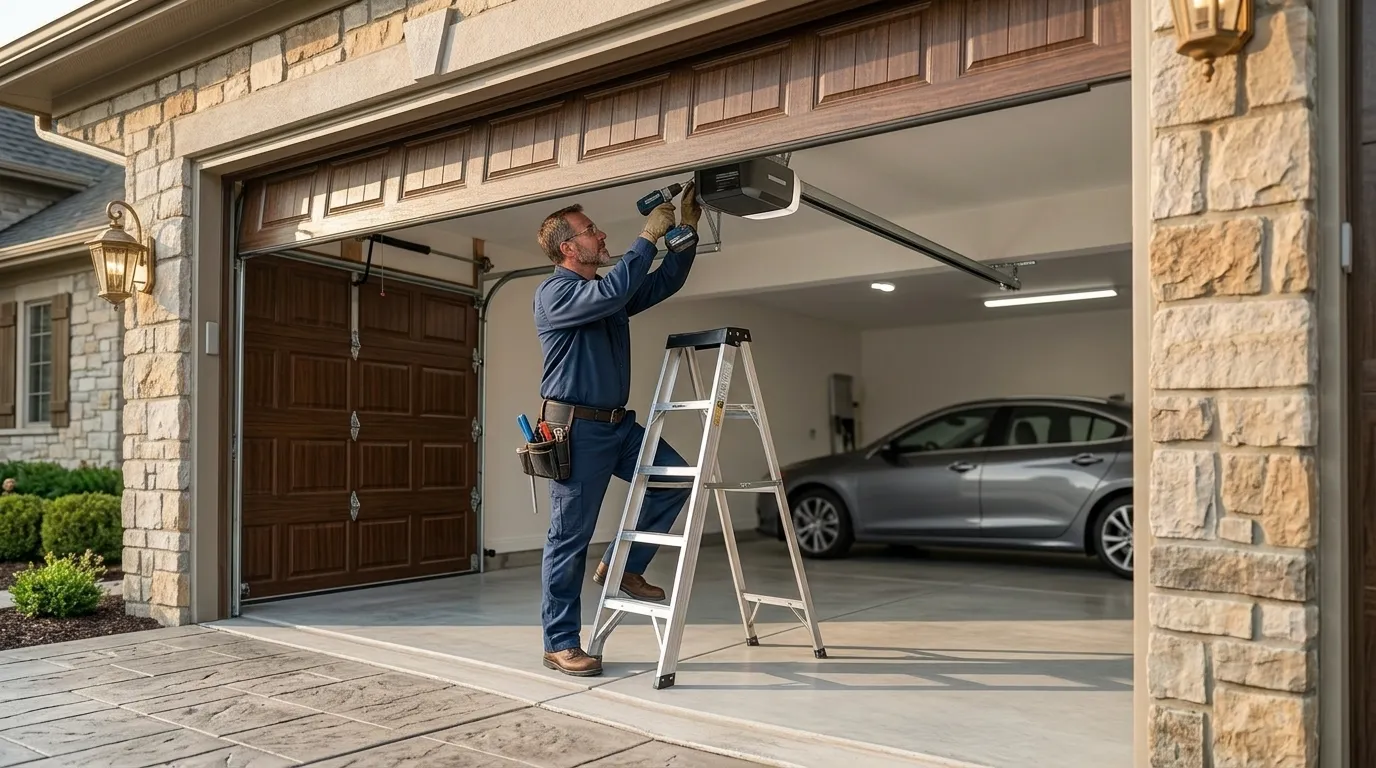
We'll quote the opener install over the phone once we know the door type and drive style you want (chain, belt, or wall-mount), and confirm price before we show up. No guessing at the door once we're on site.
How It Shows Up
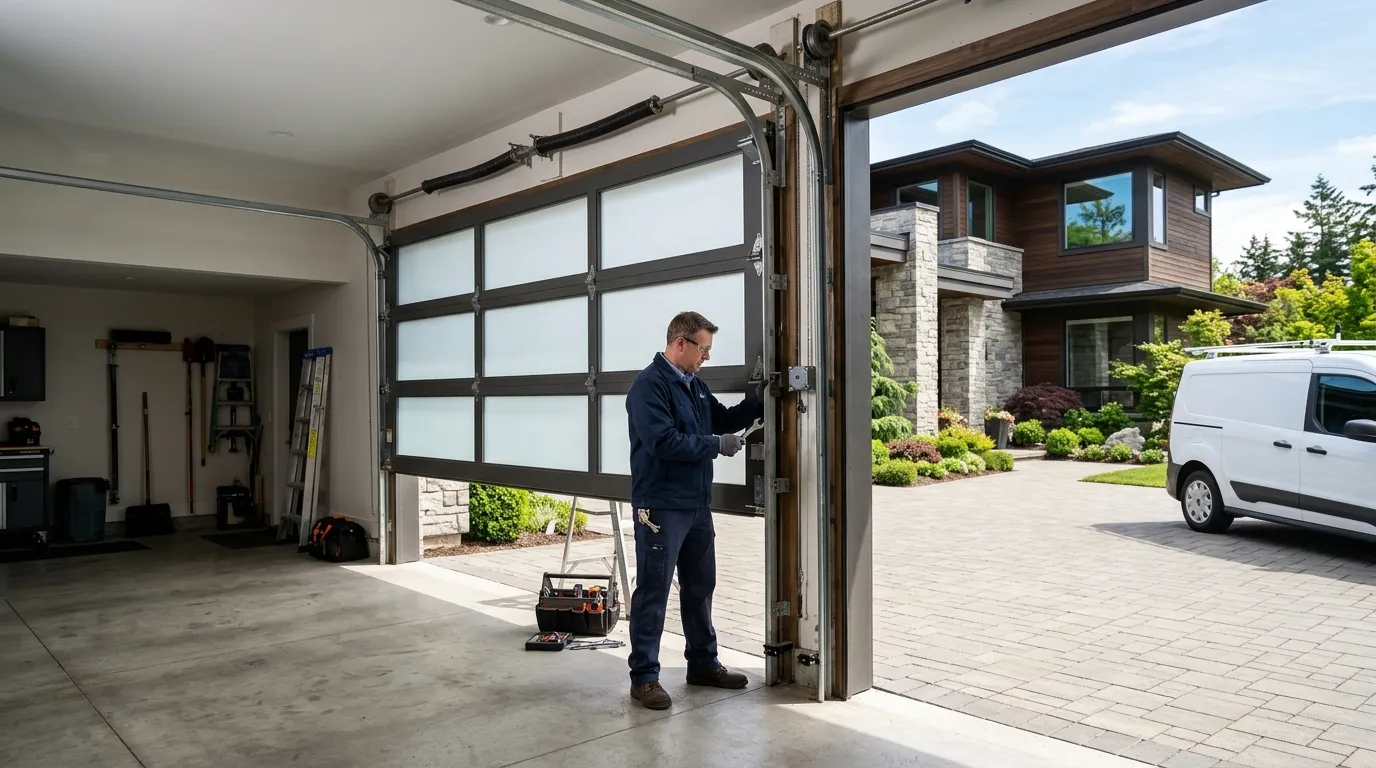
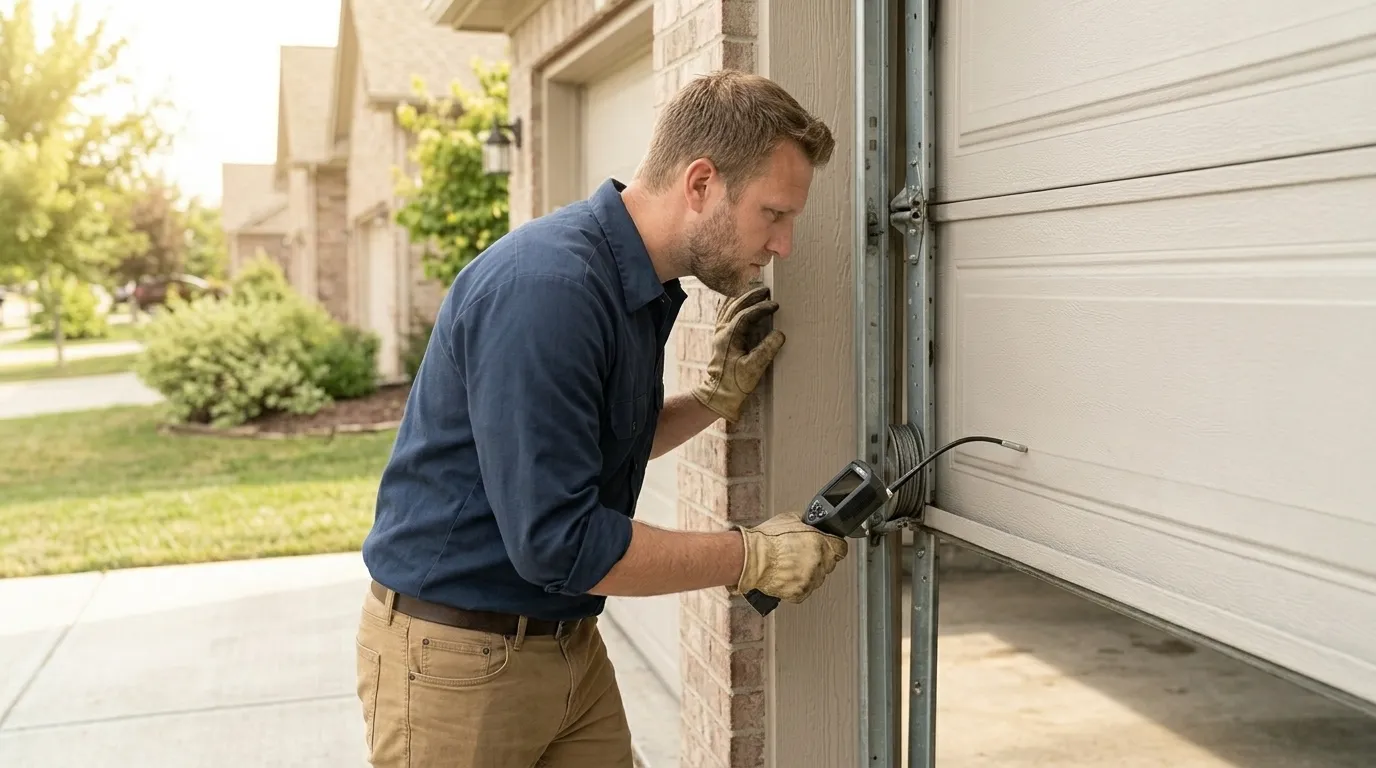
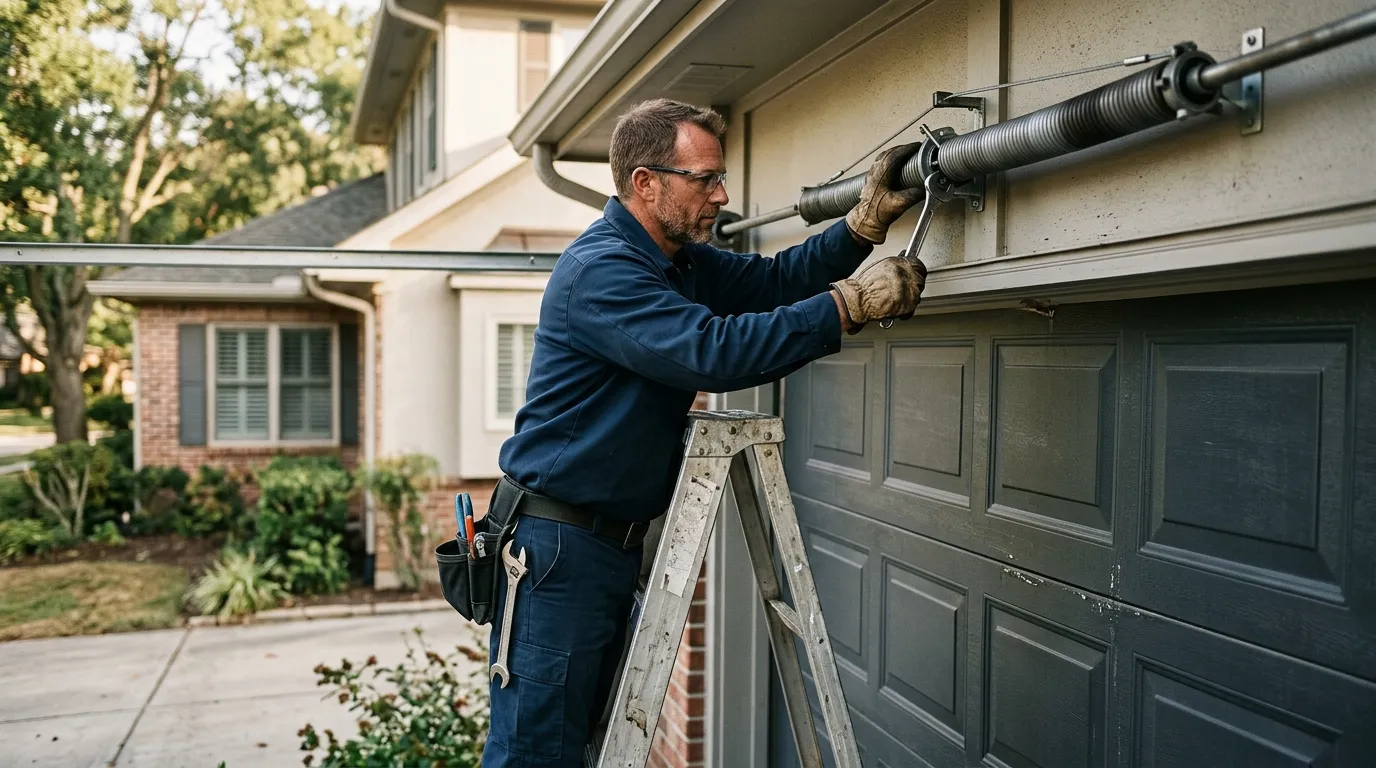
The most common call we get from Lehi is an opener that runs but won't lift the door, or one that lifts partway and reverses. Both usually point to the opener straining against something else - a spring losing tension, a track binding, or a sensor knocked out of alignment - rather than the motor itself failing outright.
A second pattern: the opener works but takes two or three tries to catch the signal, or the remote range has shrunk to a few feet from the driveway. That's often a logic board or antenna wearing out, common in openers now pushing 15-18 years old if they came with the house.
Less often, we get a call where the opener runs completely silent - no motor hum, no light. That's usually a dead capacitor or a tripped circuit, and it's a quick diagnosis once we're there, though if the board itself is fried, replacement is almost always the better call than sourcing a board for a unit that age.