What Causes It Around Here
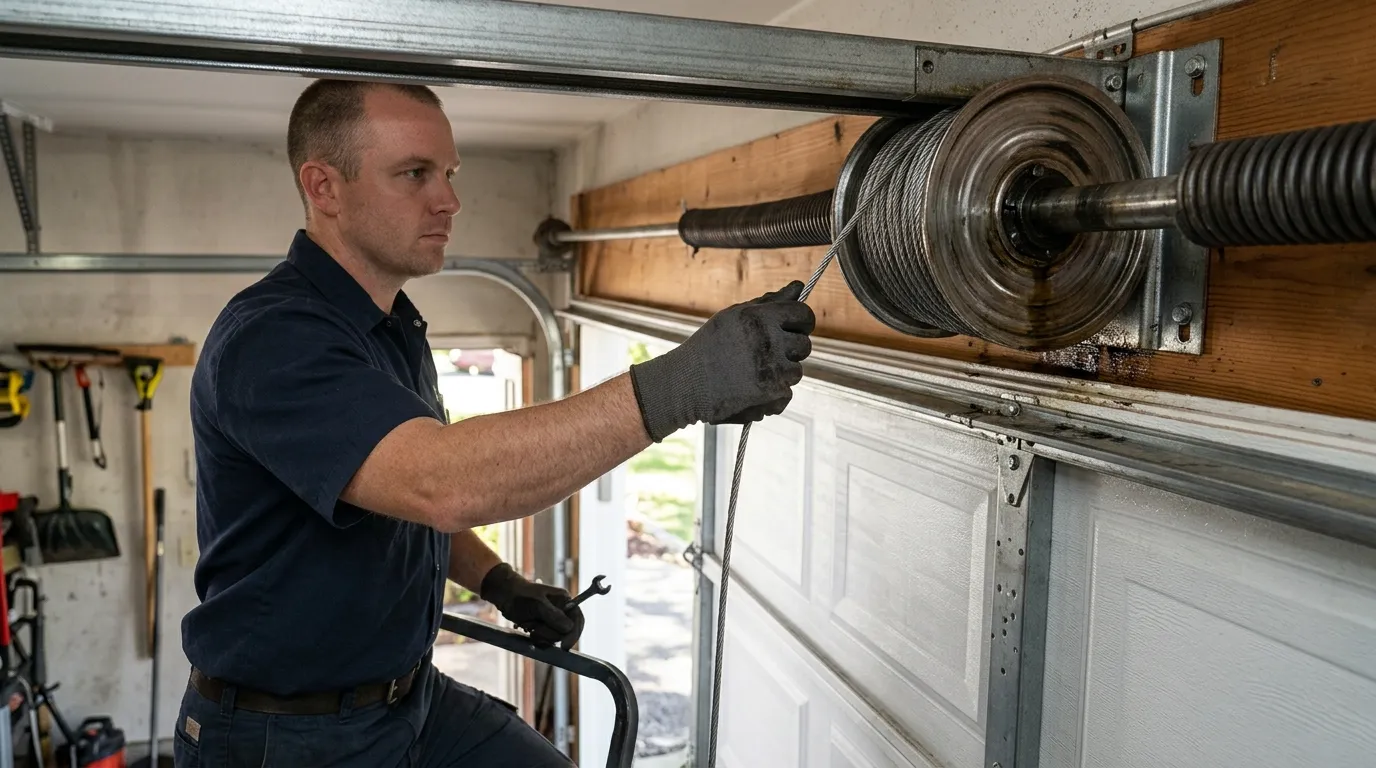
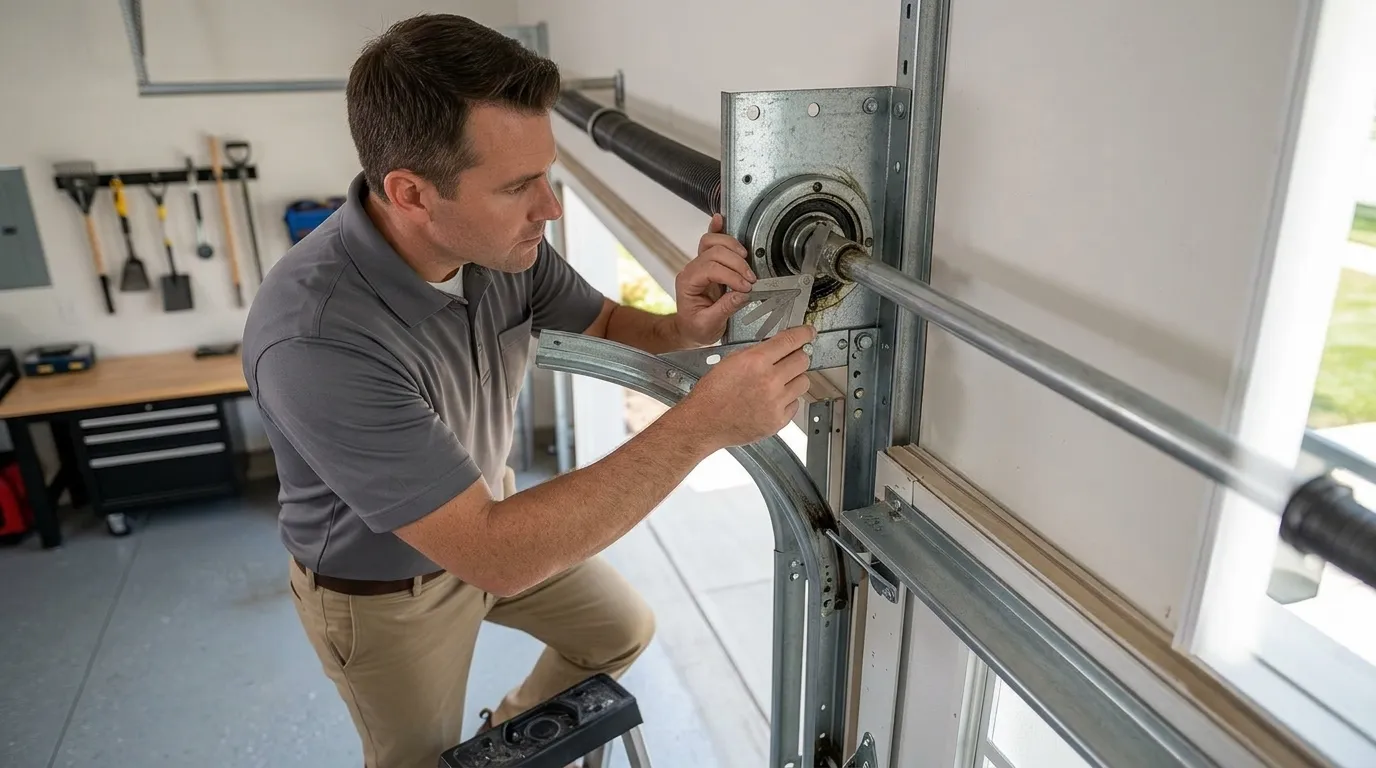
In a service area with a COLD moderate climate, steel springs go through a real annual temperature swing, and that cycling is what eventually fatigues the coil, whether the door is from 1985 or 2007. The difference in Lehi isn't the climate - it's the door weight. Production-era garages built around the mid-2000s tend to run wider (two-car openings on a single door) and heavier, especially with insulated steel sections, which puts more load on the spring from day one. A spring rated for a lighter door, or one installed slightly under-wound during original construction, wears out faster under that extra weight. We also see openers doing more of the lifting than they should once a spring loses tension - the motor strains, the door lags on the way up, and by the time it snaps, the opener's been compensating for months.
Booking a Visit
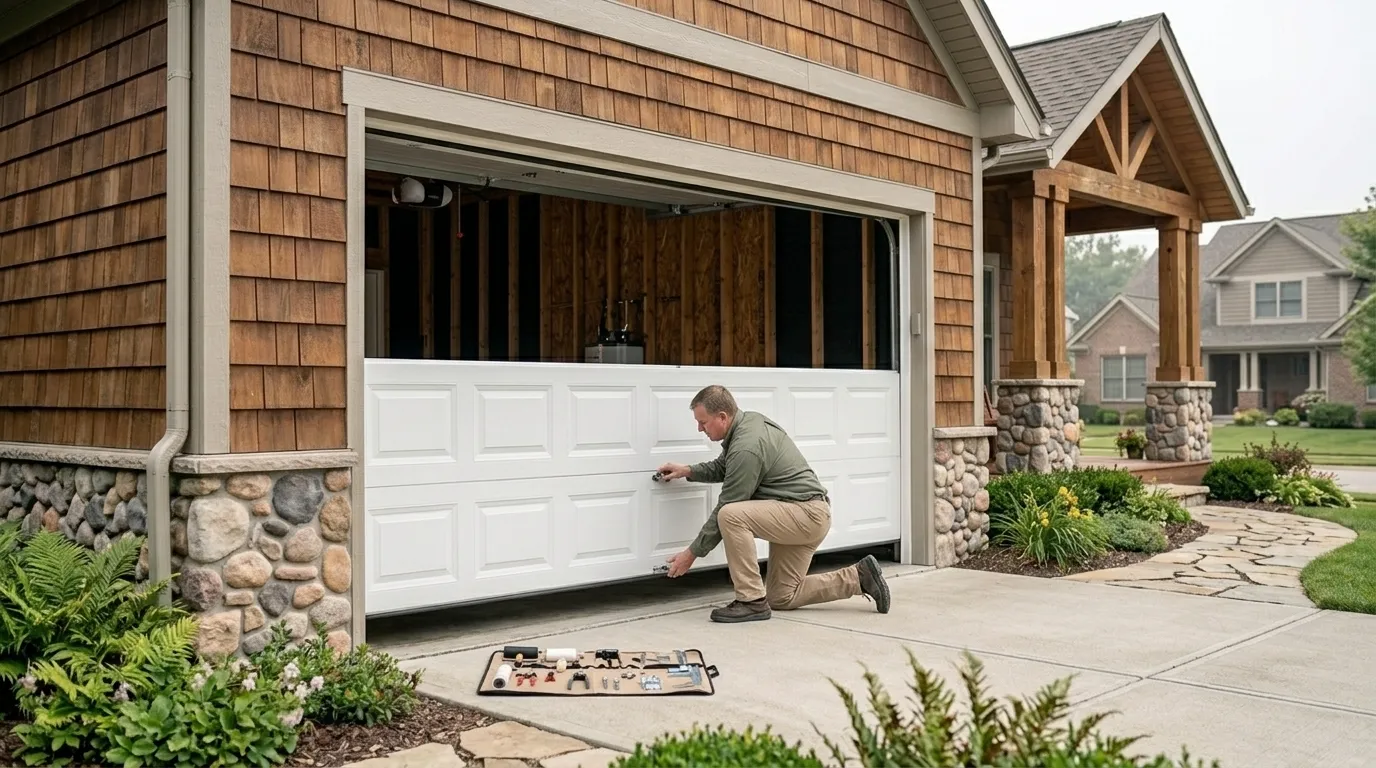
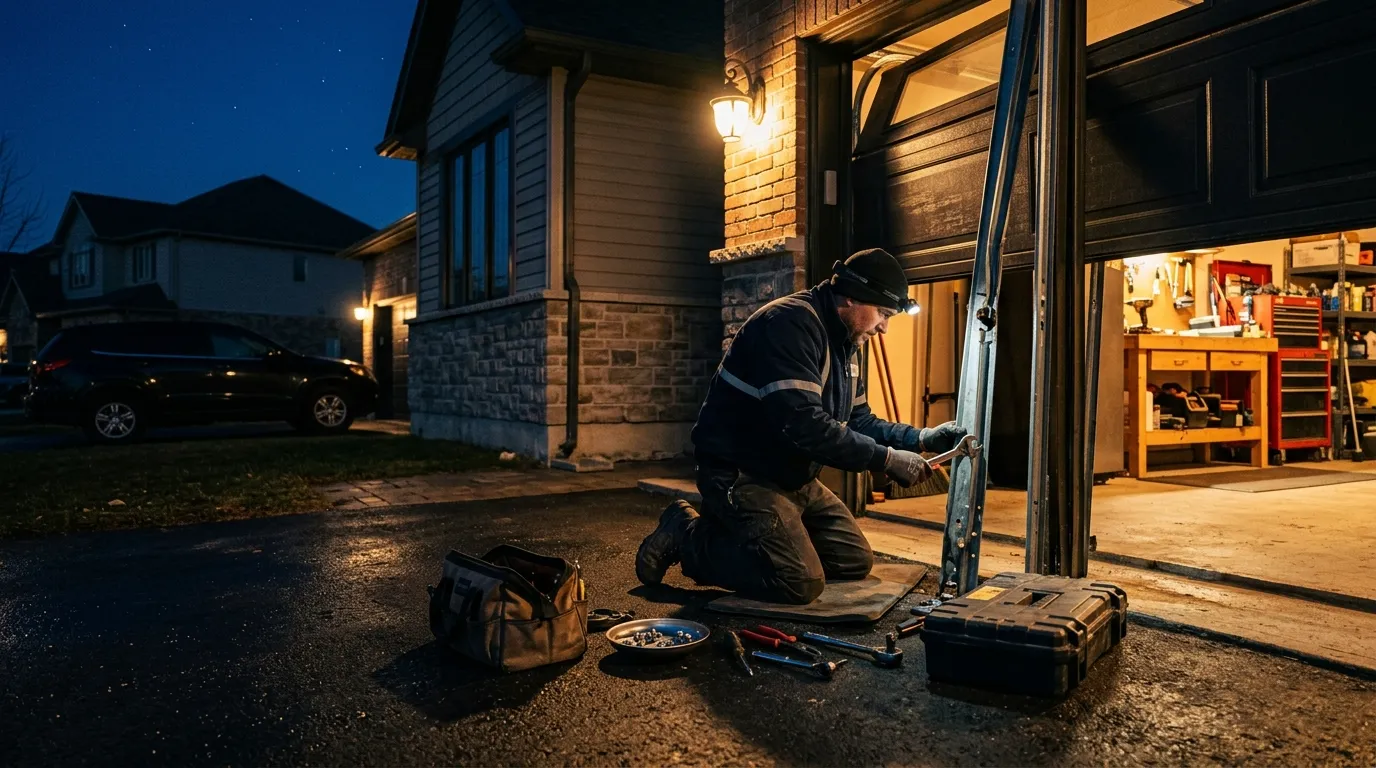
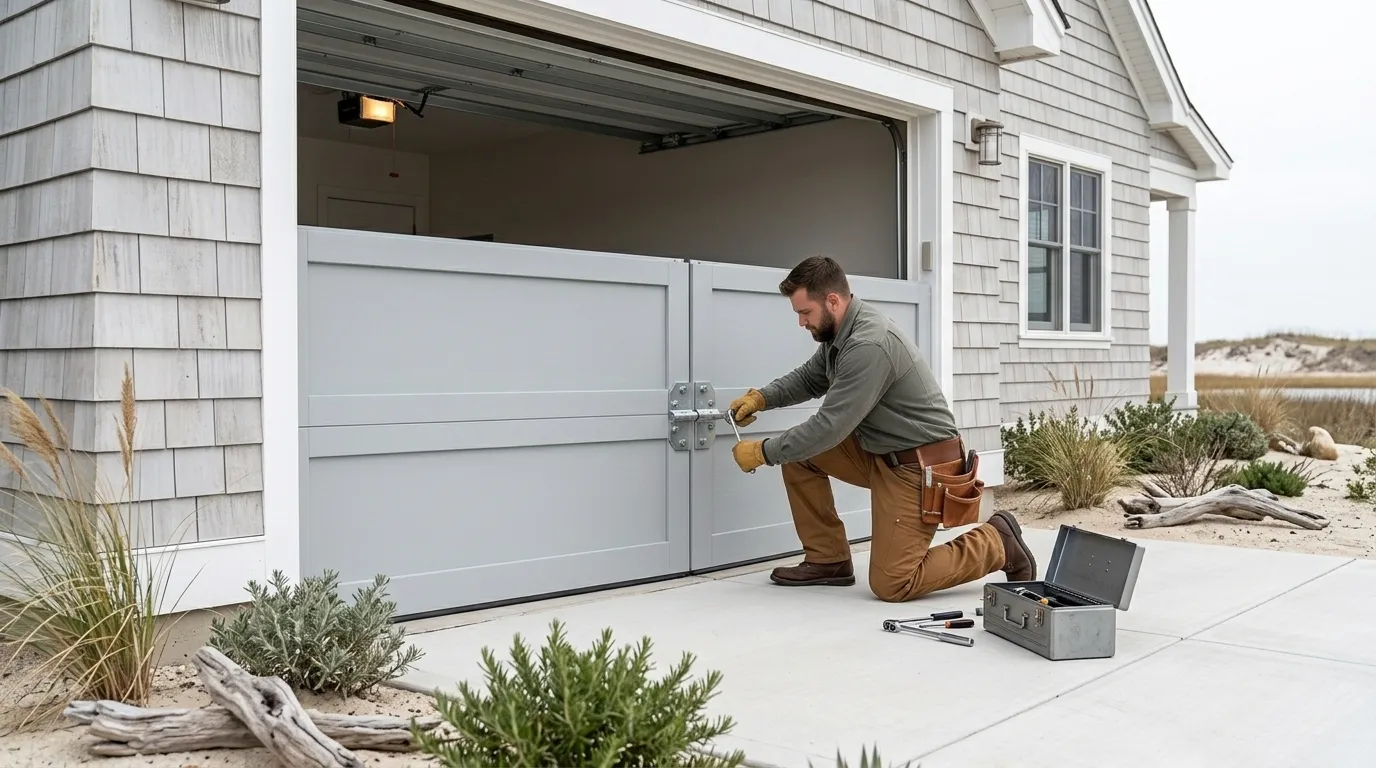
We run this job out to Lehi from Orem, about 12 miles, so we schedule it as a dispatched visit rather than a walk-in call. If your door won't open, or it's opening unevenly with a loud bang partway up, that's usually a broken or unwound spring and it's not a job to force through with the opener - that's how you burn out a motor or bend a track. Tell us the door width and whether it's one piece or two sections when you call; it saves a trip back to the truck for the right spring.
How It Shows Up
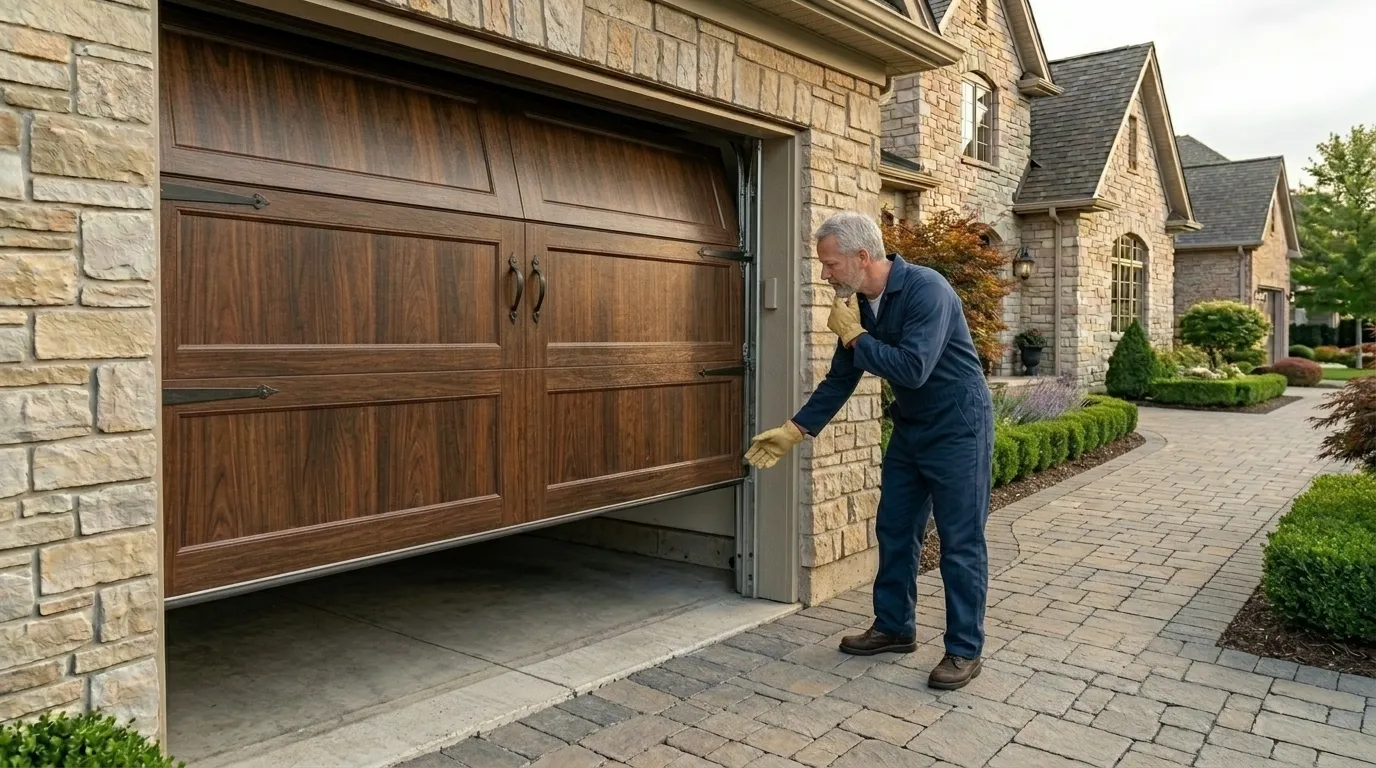
Most people don't catch a spring going bad - they catch it already broken. The door won't budge, or it lifts a few inches and stops with the opener straining. On a double-door setup, which is the norm on Lehi's newer construction, a single broken spring often shows as the door hanging crooked, heavier on one side, because one spring is still holding tension and the other isn't. You might also hear a loud bang from the garage - that's the spring letting go, usually when the door's sitting closed overnight in cold weather. Don't try to lift it manually past that point; a torsion spring under partial tension can still move fast.