Doing It Yourself
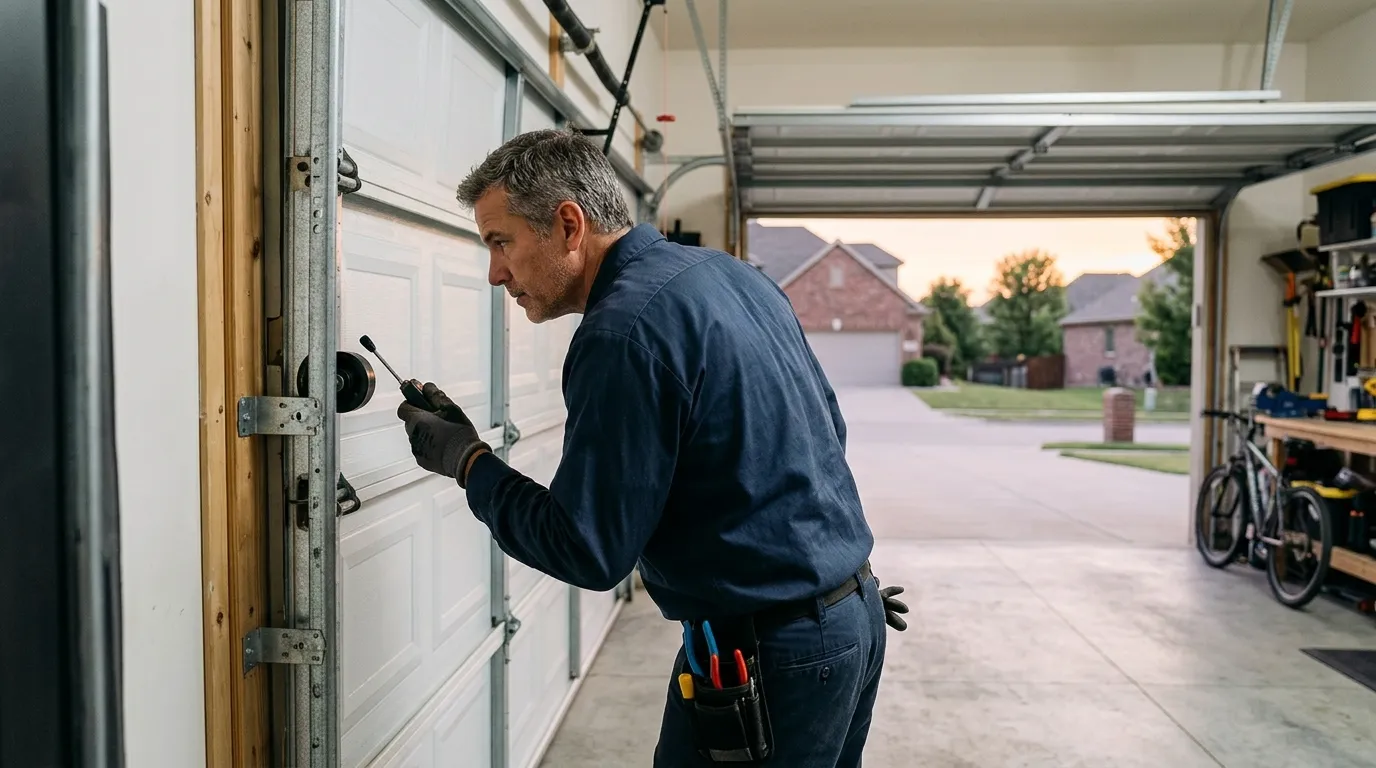
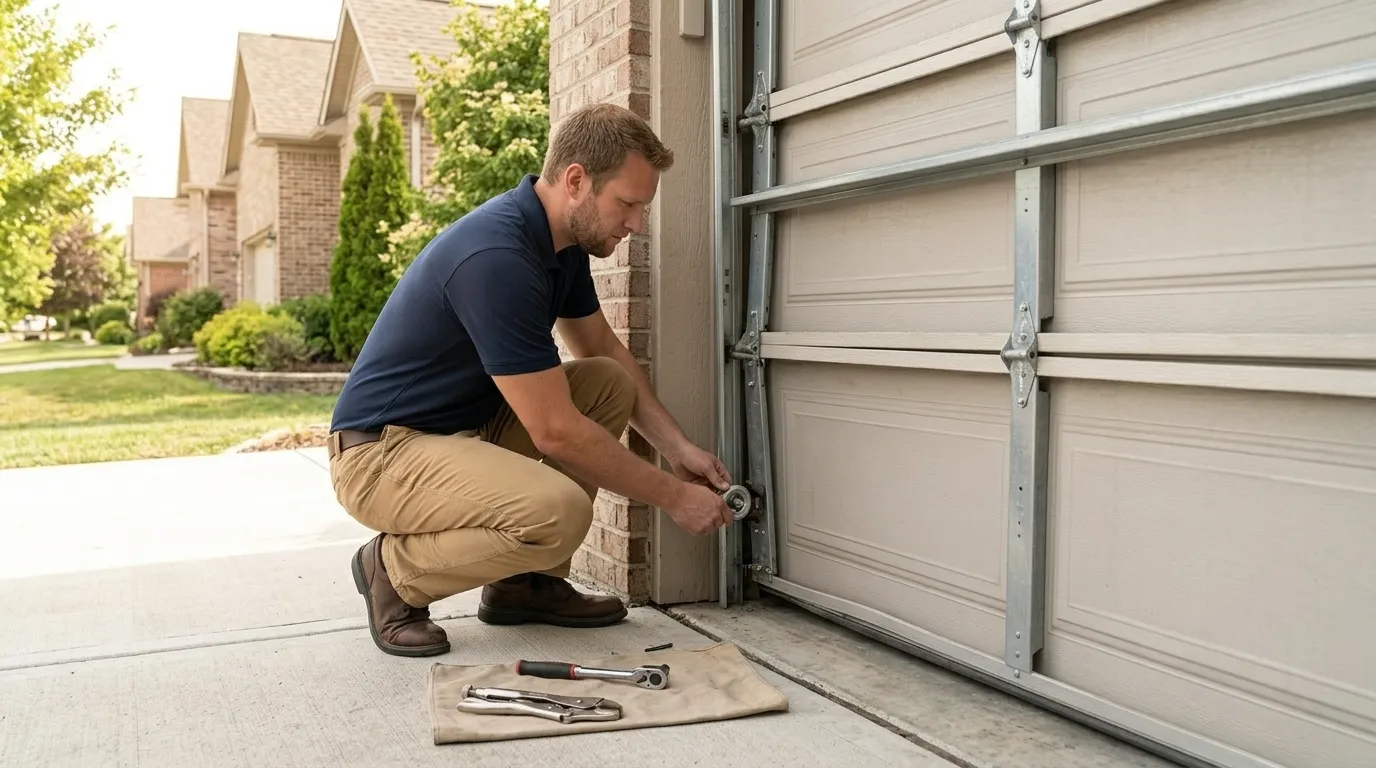
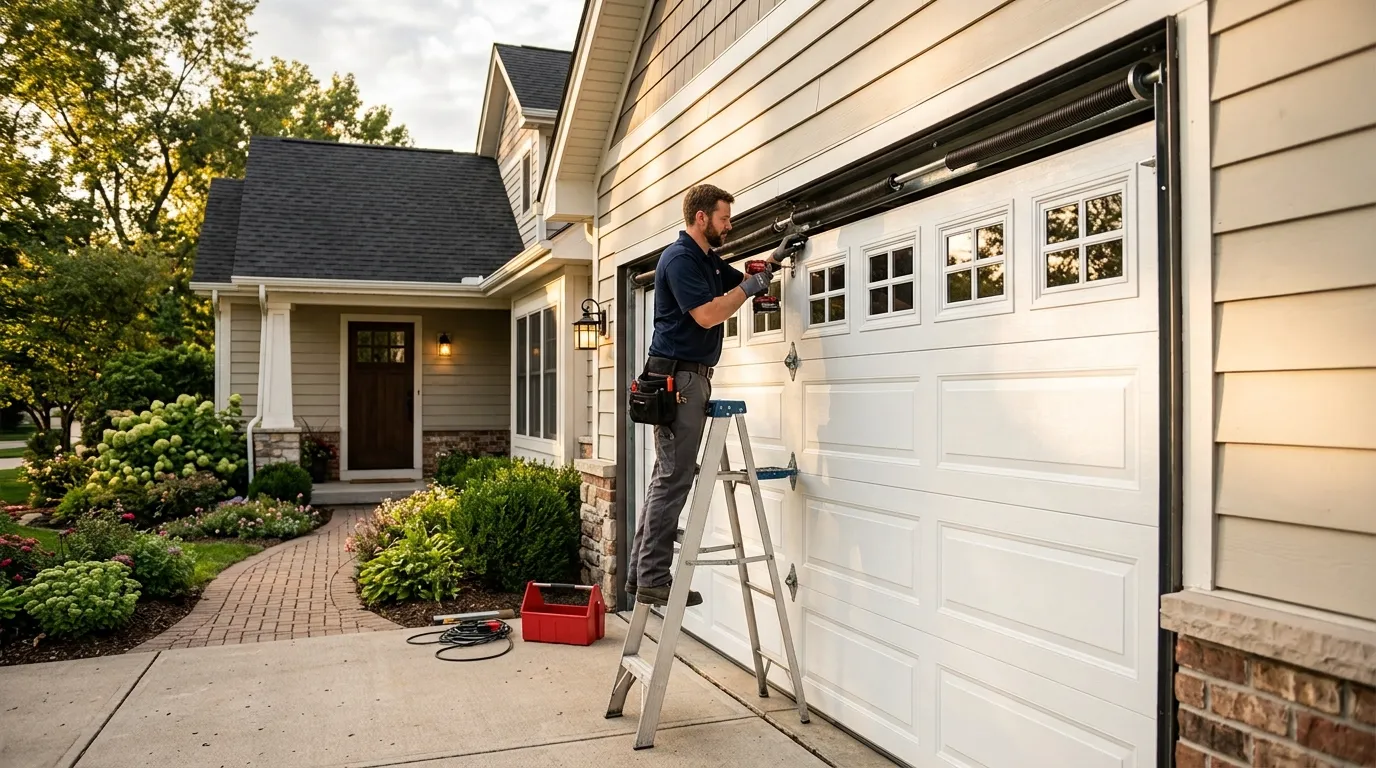
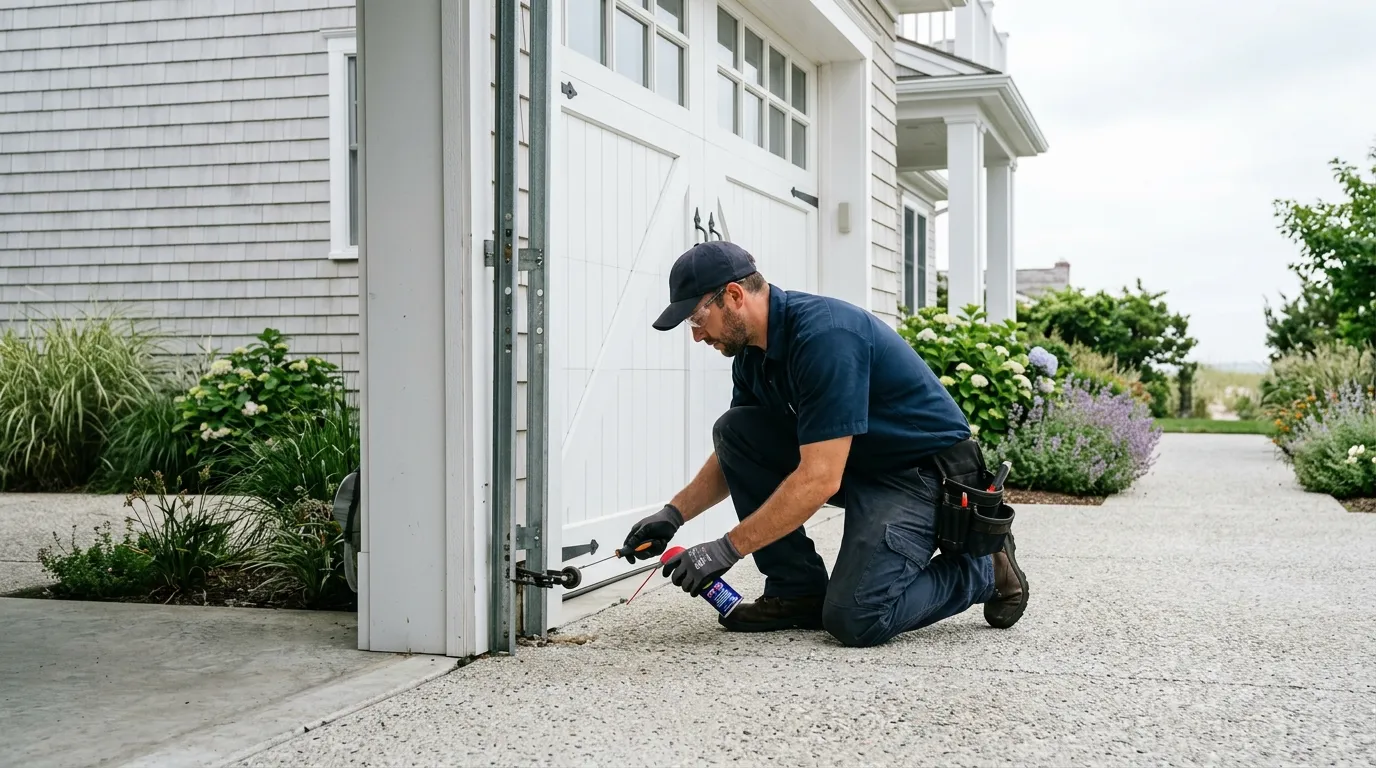
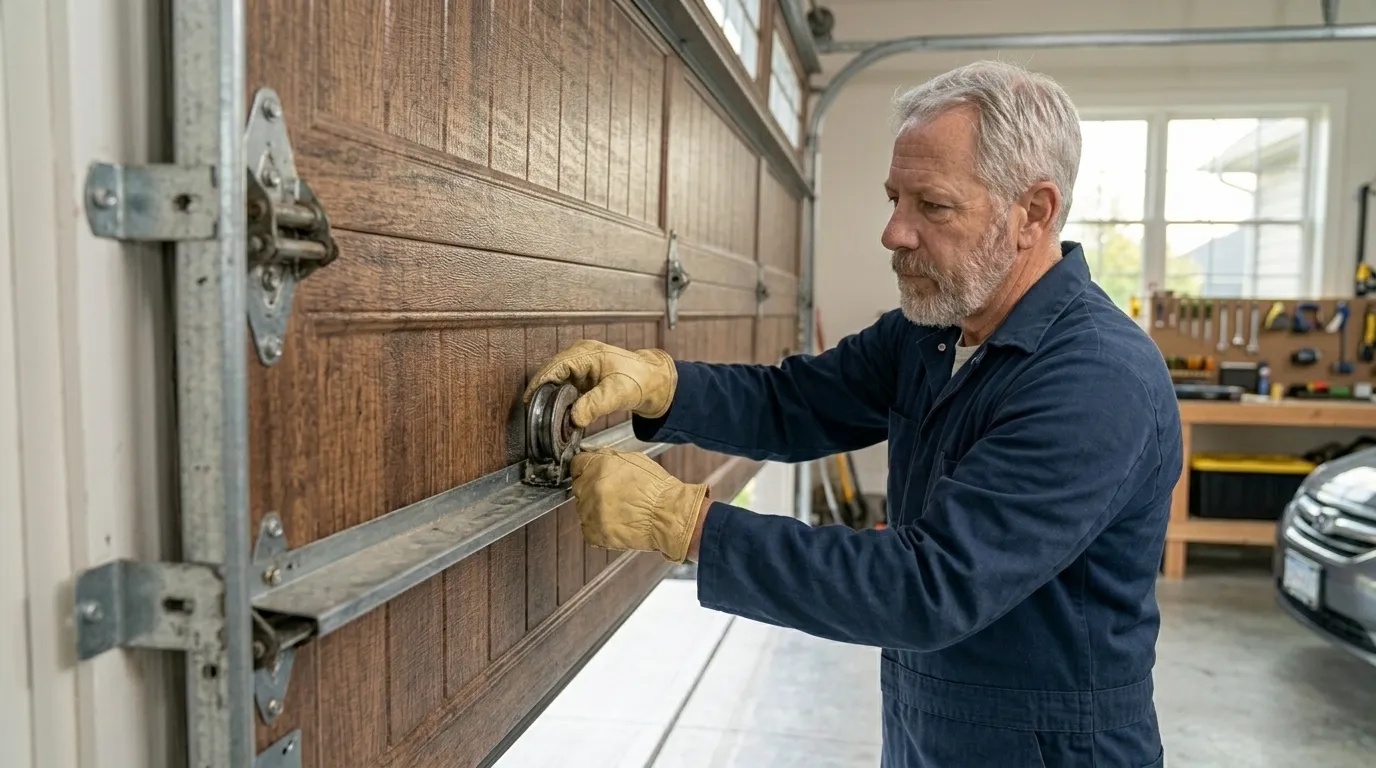
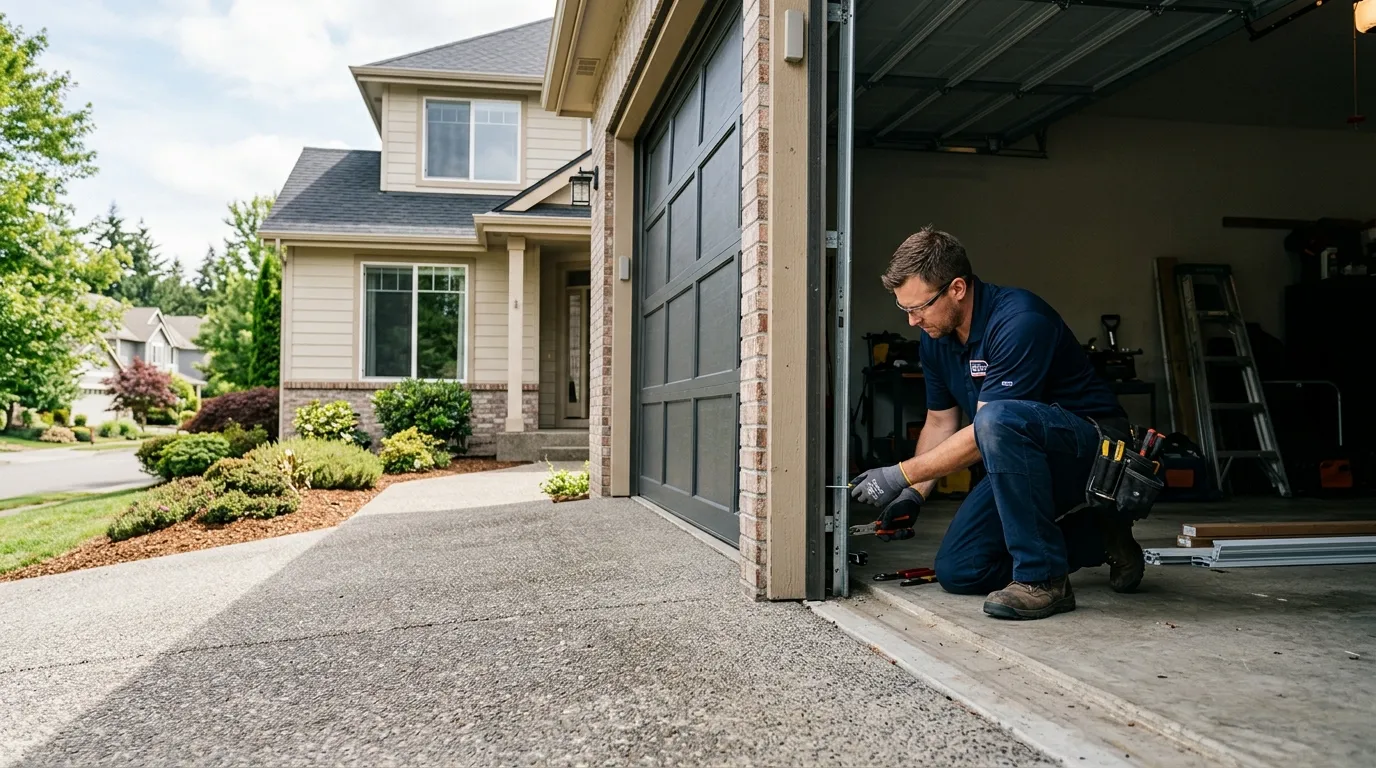
If your opener won't respond, check the wall switch and the breaker before you call anyone - it sounds obvious, but it's the most common no-charge fix we see. If the door is a double-wide torsion spring setup, which is common on the wider garages built in this area since 2010, do not try to wind or unwind the spring yourself. A broken torsion spring under tension is genuinely dangerous, and we'd rather you wait for a truck than lose a finger saving a service call. Lubricating hinges and rollers with a light garage-door-specific lubricant twice a year is safe DIY work and actually extends the life of newer hardware, since 2010-era doors tend to have tighter tolerances than older ones. What you shouldn't touch: the spring itself, the cables, or anything bolted to the header above the door. Those jobs need the right bar and clamps, and a 16-mile drive to come fix a DIY attempt costs everyone more than the original service call would have.
What Can Go Wrong
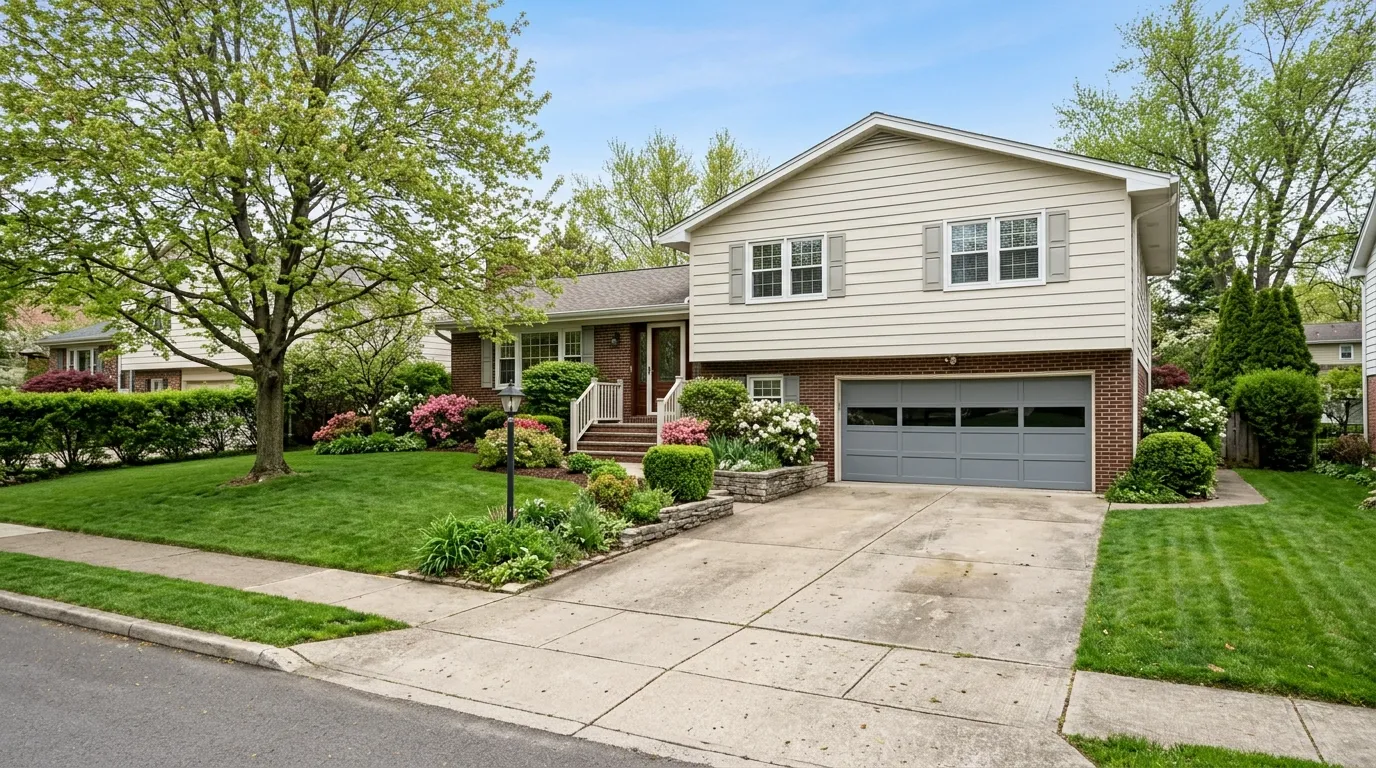
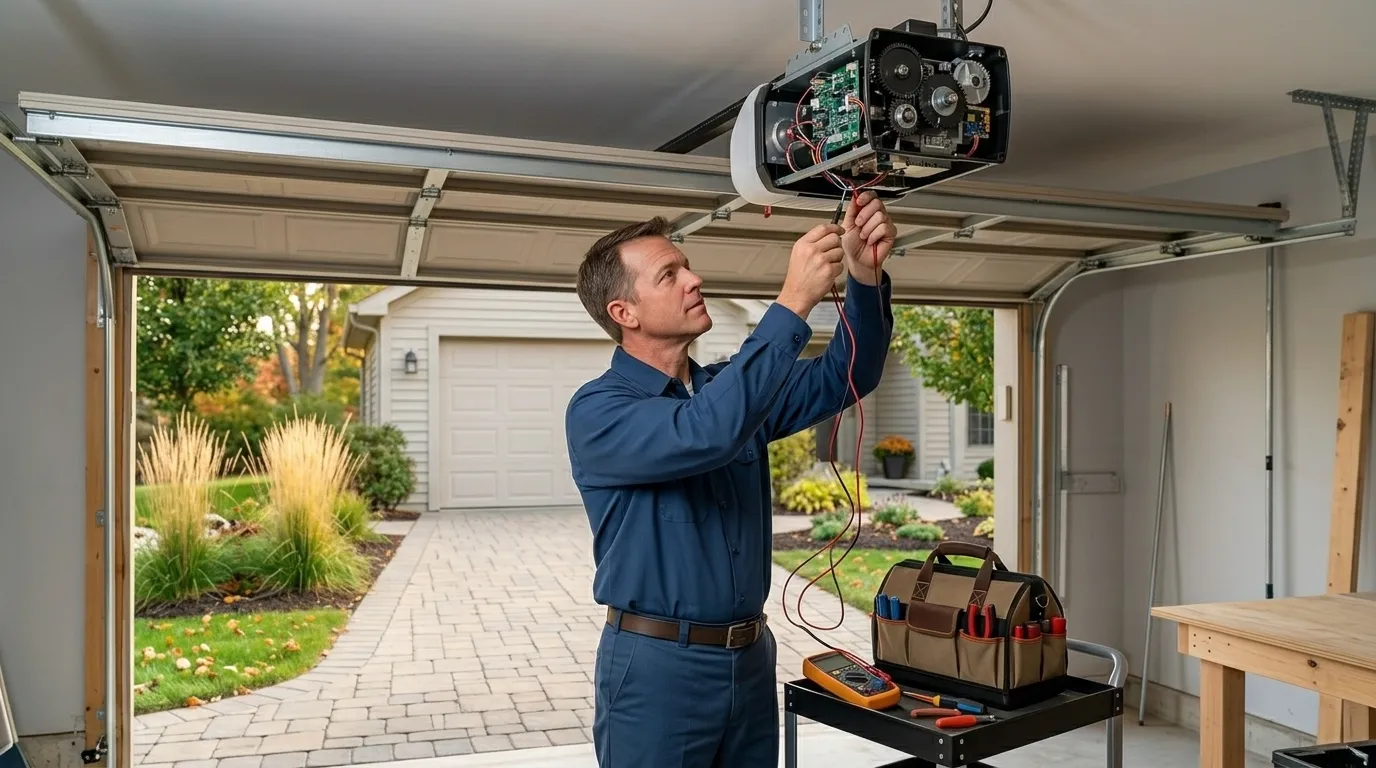
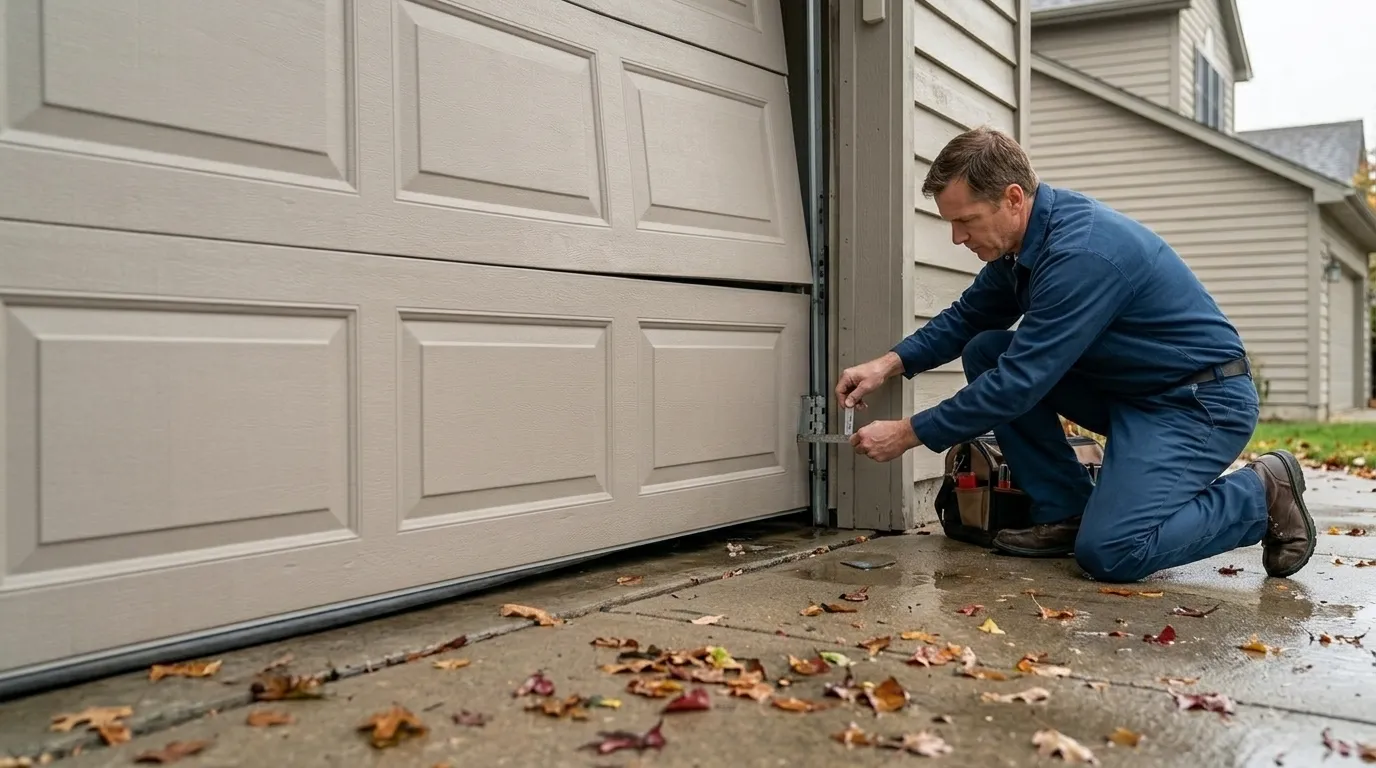
Because most Eagle Mountain garages went up in the 2000s and 2010s, the failures we see here trend toward wear on factory-standard parts rather than the mismatched or obsolete hardware we find in older towns closer to Orem. Torsion springs on wider double doors lose tension over years of cold-weather cycling. Nylon rollers on newer tracks crack in cold snaps rather than just wearing down gradually. Openers from the early-2010s production runs are starting to hit the age where circuit boards and logic units fail before the motor does. The area sits in a moderate-cold climate band, and temperature swings put real stress on cables and springs rated for a narrower range than what a Utah winter actually delivers. We don't see much of the settling-foundation, warped-track damage that shows up in some of the region's much older housing stock - this town's foundations are younger and more uniform.
What Causes It Around Here
The moderate-cold climate band this area sits in means real seasonal swings, and Eagle Mountain's newer housing stock - median year built 2010 - hasn't been through as many freeze-thaw cycles as the region's older neighborhoods, but the cycles it has been through are cumulative. Torsion springs lose elasticity faster in cold snaps, and cable fraying accelerates when metal contracts repeatedly through a winter. Because most homes here were built to the same era's code and materials, we see fewer of the oddball, mismatched-hardware failures that turn up in older mixed-vintage neighborhoods, and more of a single, predictable failure curve tied to age and temperature. A door installed in 2010 is now well past the point where its original spring set is due for replacement regardless of visible damage - tension fatigue doesn't always show before it snaps.
What It Costs
We don't have a published price list for this page, and we're not going to invent one. What we can tell you is that cost here tracks the same variables as anywhere in the service area: whether it's a spring, cable, roller, or opener board, and whether the part is standard stock or something we have to order. Eagle Mountain's newer, more uniform housing stock actually tends to keep costs more predictable than in older neighborhoods, since the hardware sizes and opener models are more consistent from house to house. The 16-mile drive from Orem is factored into how we schedule the day, not into a separate mileage charge - ask when you call and we'll give you a number based on what's actually wrong, not a guess over the phone.