Doing It Yourself
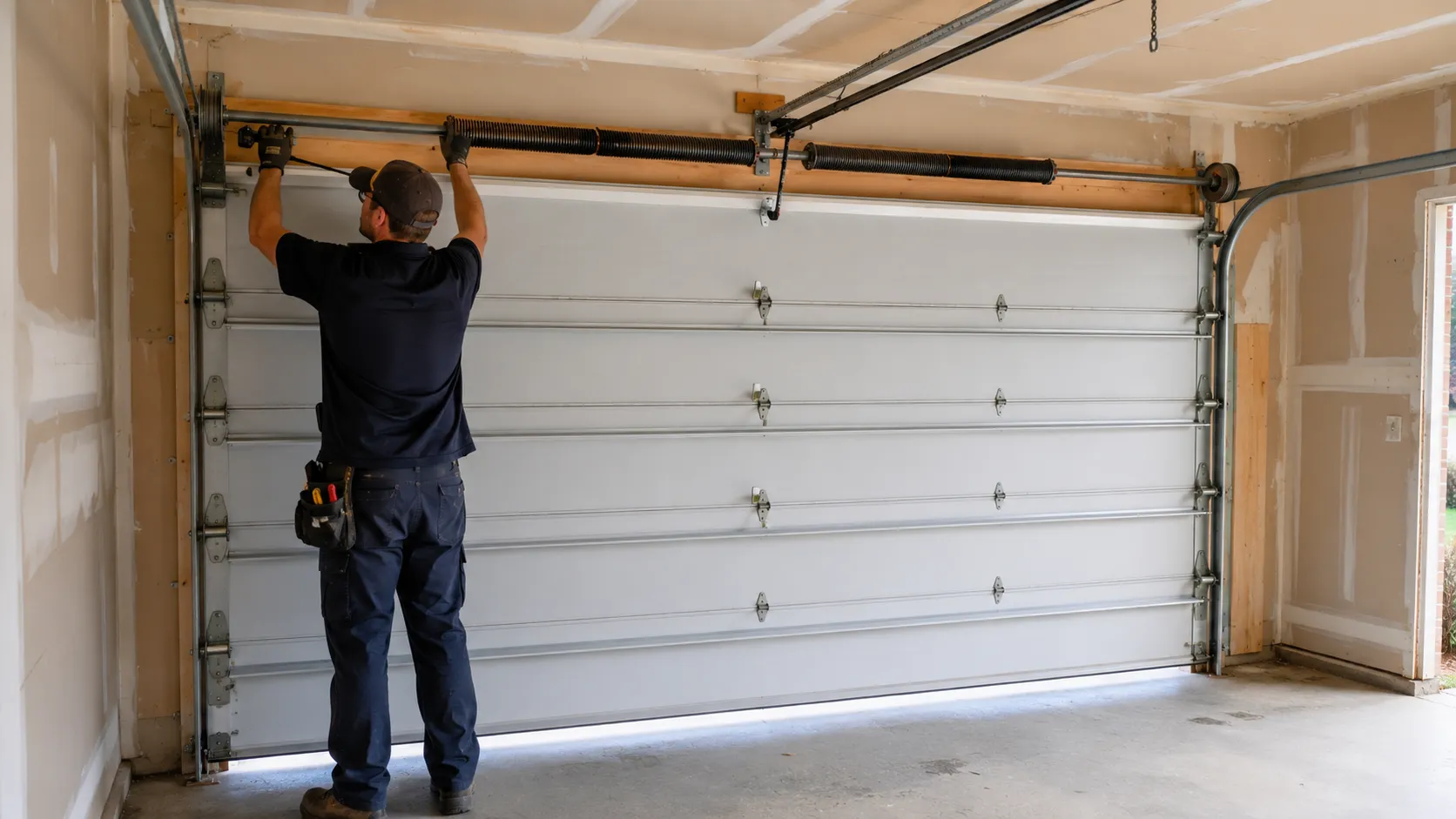
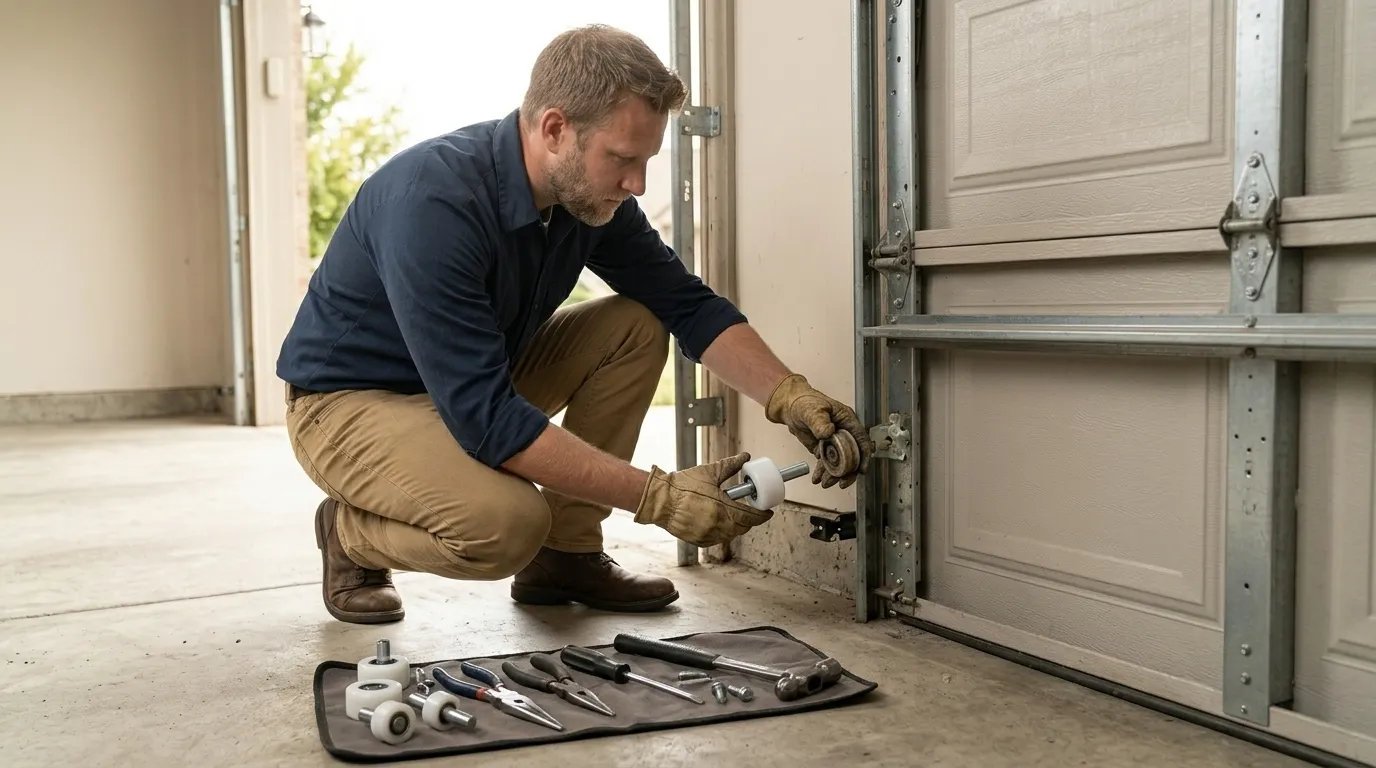
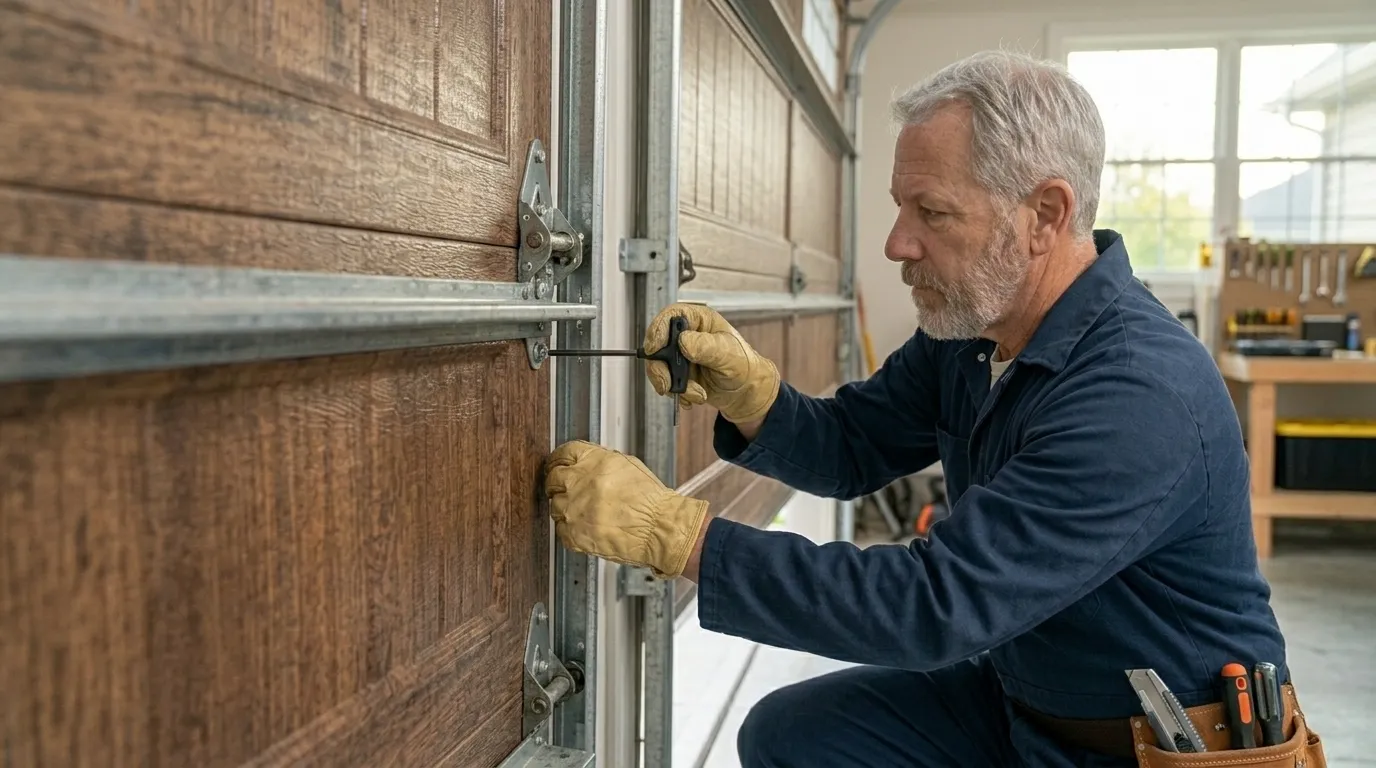
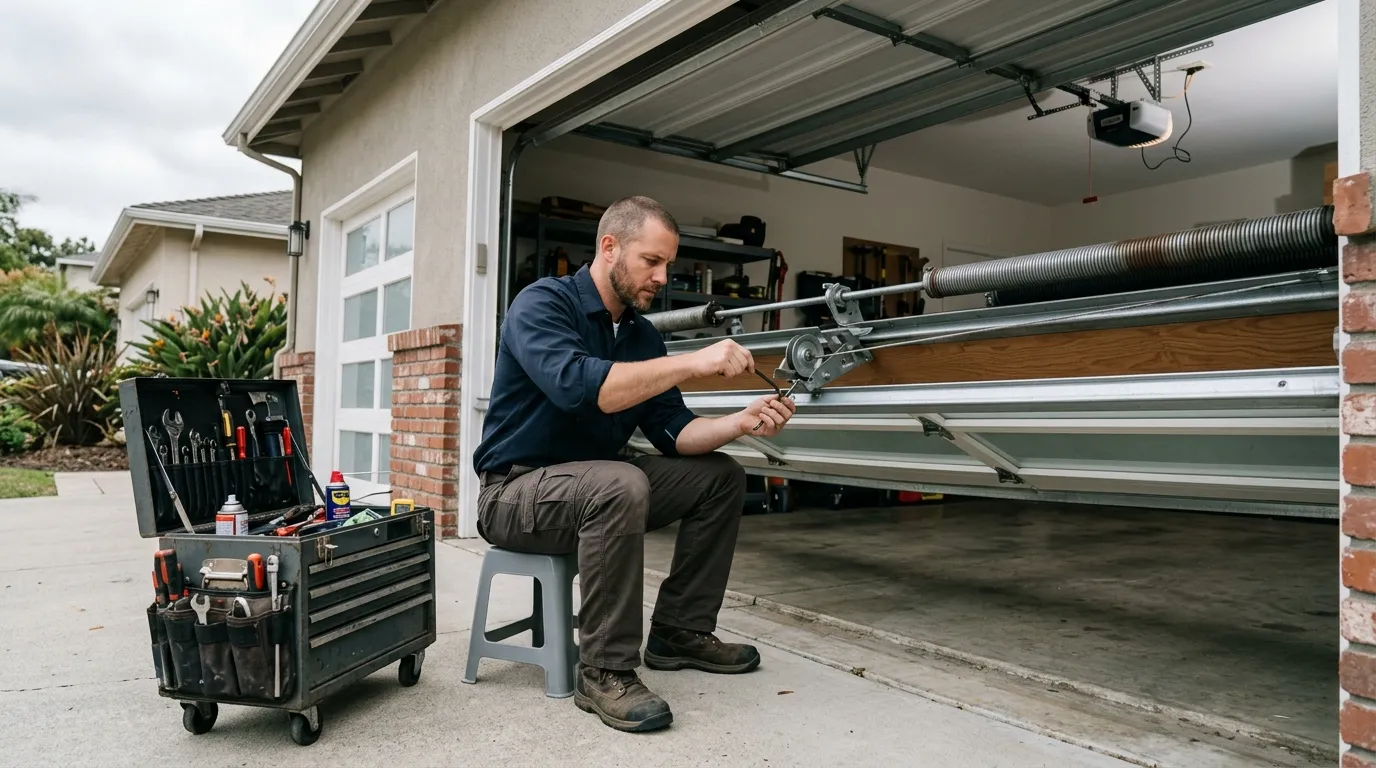
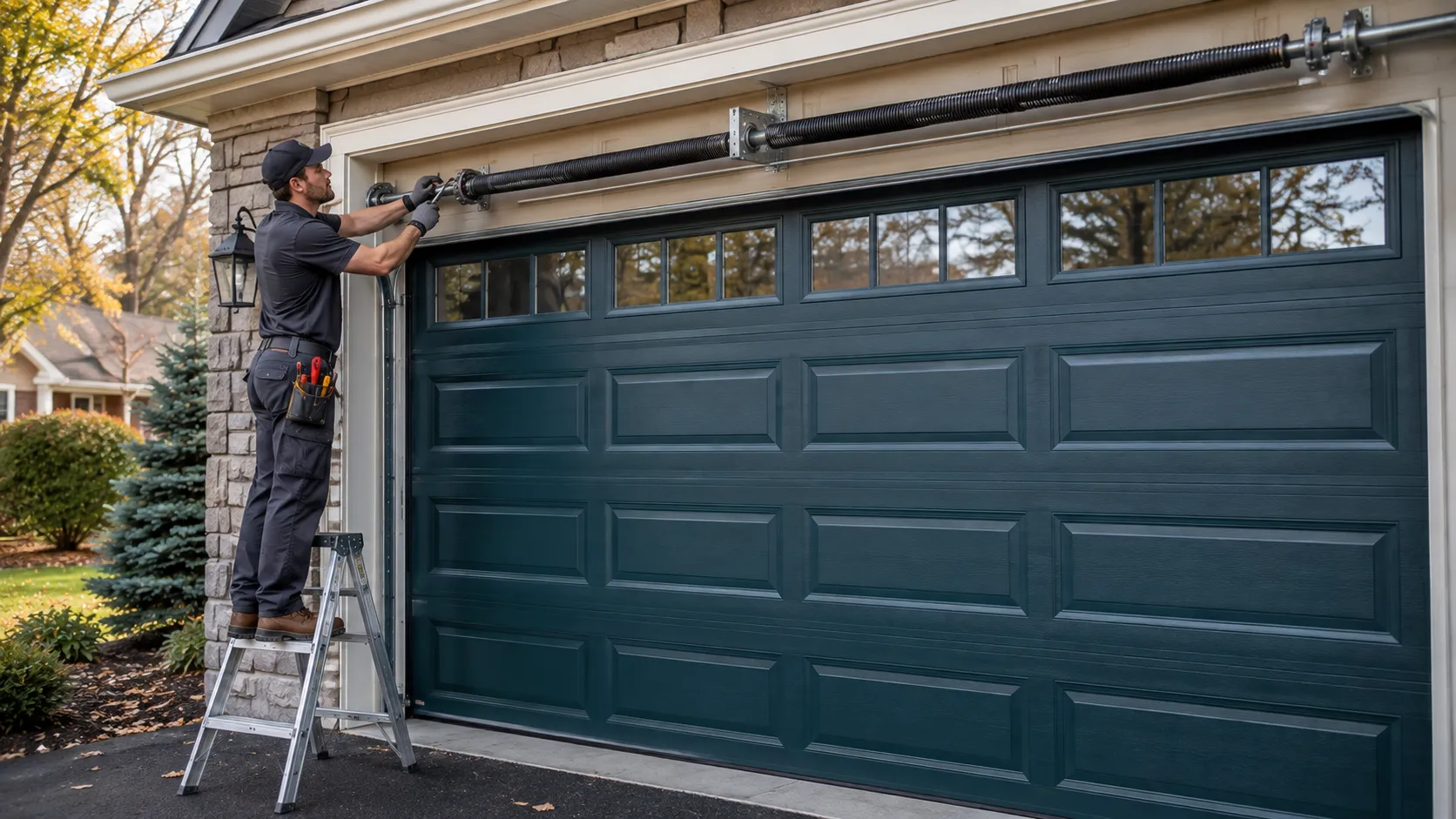
A torsion spring is wound under enough force to break a bone or worse if it lets go while you're working on it. That's true no matter how new the door is. The difference with a 2010-era door is that it's more likely to still be original, so the spring hasn't been touched or adjusted since the house was framed, and homeowners sometimes assume that means it's fine. It isn't a sign of health - it's a sign nobody has checked it. If you're set on doing something yourself, the safe jobs are lubricating the rollers and hinges, checking the track bolts, and testing the balance by hand with the opener disconnected. Winding or unwinding the spring itself with winding bars is not a job to learn from a video. We'll say plainly: we'd rather get a call after you've made the situation worse than not get the call at all, but it's cheaper and safer to skip that step.
What Can Go Wrong
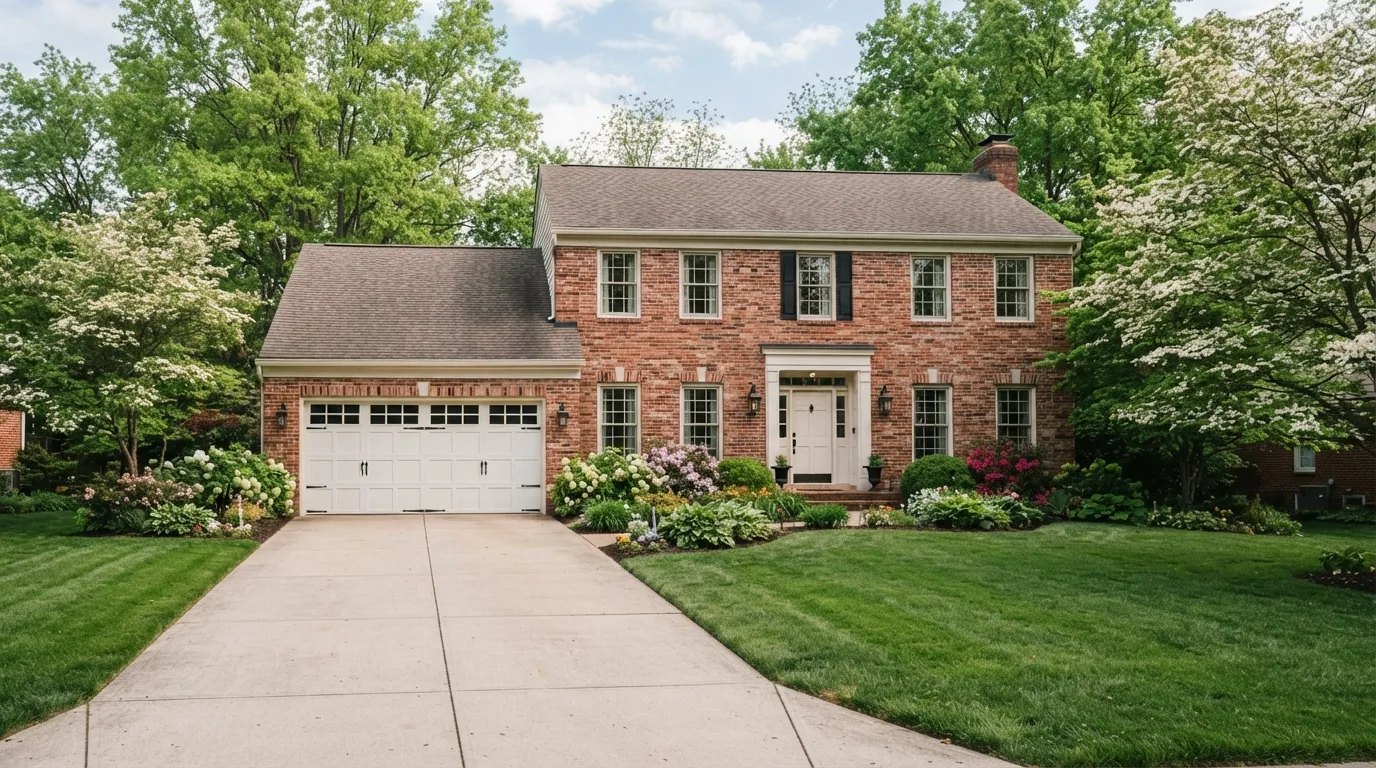
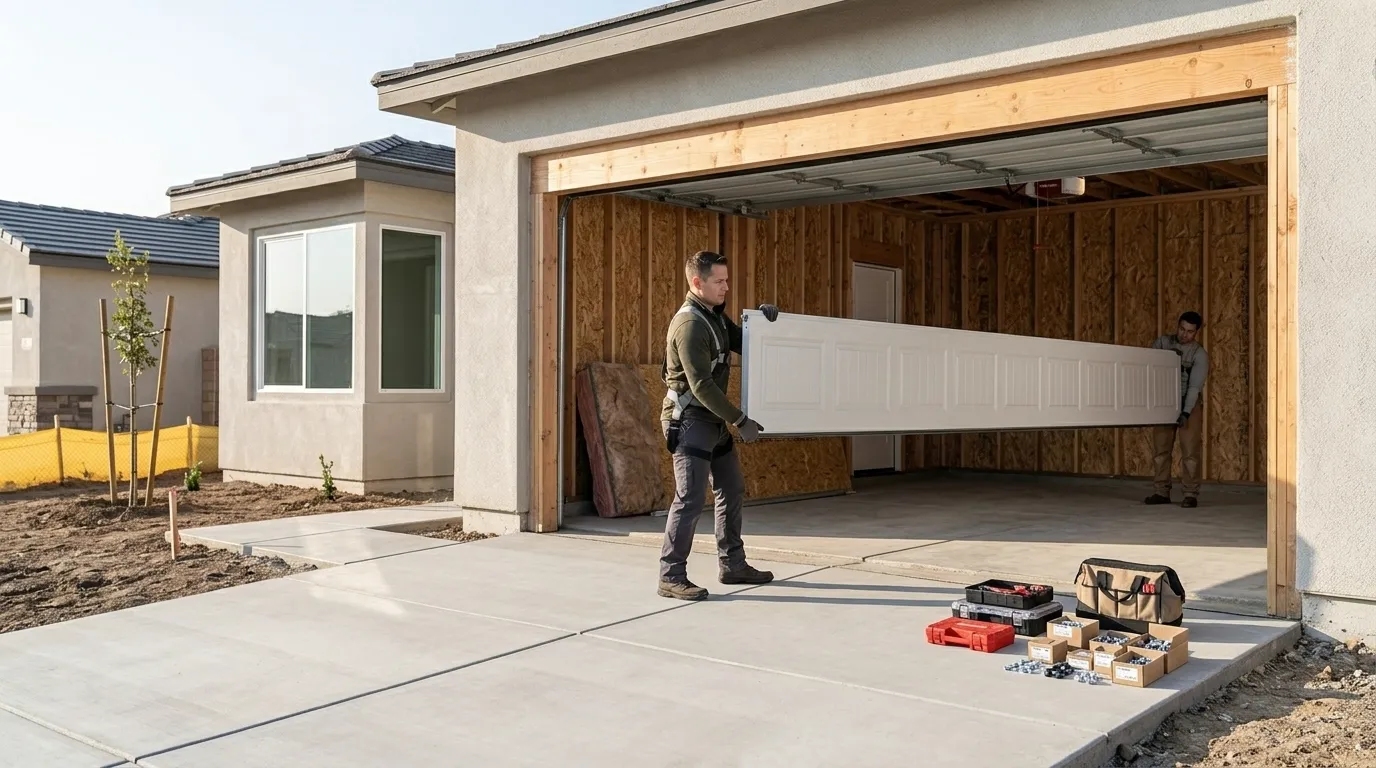
Torsion springs are rated for a number of open-close cycles, not a number of years, but for a typical household that works out to roughly a decade of normal use before fatigue sets in. Eagle Mountain's newer housing stock means a lot of these homes are now sitting right at that mark - a door installed when the house went up around 2010 is old enough that the factory spring is due, or overdue, for replacement. The failure usually looks the same everywhere: a loud bang, the door stops halfway, or it drops fast when you try to lift it by hand. On these newer builds we also see cable fraying where it rides the drum, and center bearing wear on doors that get used more than once a day. What's less common here than on the 80s and 90s stock elsewhere in the service area is rot or warping in the door panel itself - newer steel doors hold up better, so the spring and the drum hardware are usually the whole story.
What Causes It Around Here
The service area sits in a cold, moderate climate band - not the harsh freeze-thaw of higher elevations, but enough temperature swing through the year to stiffen spring steel in winter and make it snap rather than gradually fatigue. On Eagle Mountain's newer builds specifically, we also see larger doors than the older housing stock elsewhere carries - three-car garages and wider single doors that were more common in 2000s and 2010s construction than in the 80s and 90s. A wider or taller door puts more load on the same two springs, which shortens their working life compared to a narrower door of the same era. Between the cycle count catching up to houses built around 2010 and the bigger doors those houses tend to have, spring failure here tends to show up as a clean snap rather than a slow give.
What It Costs
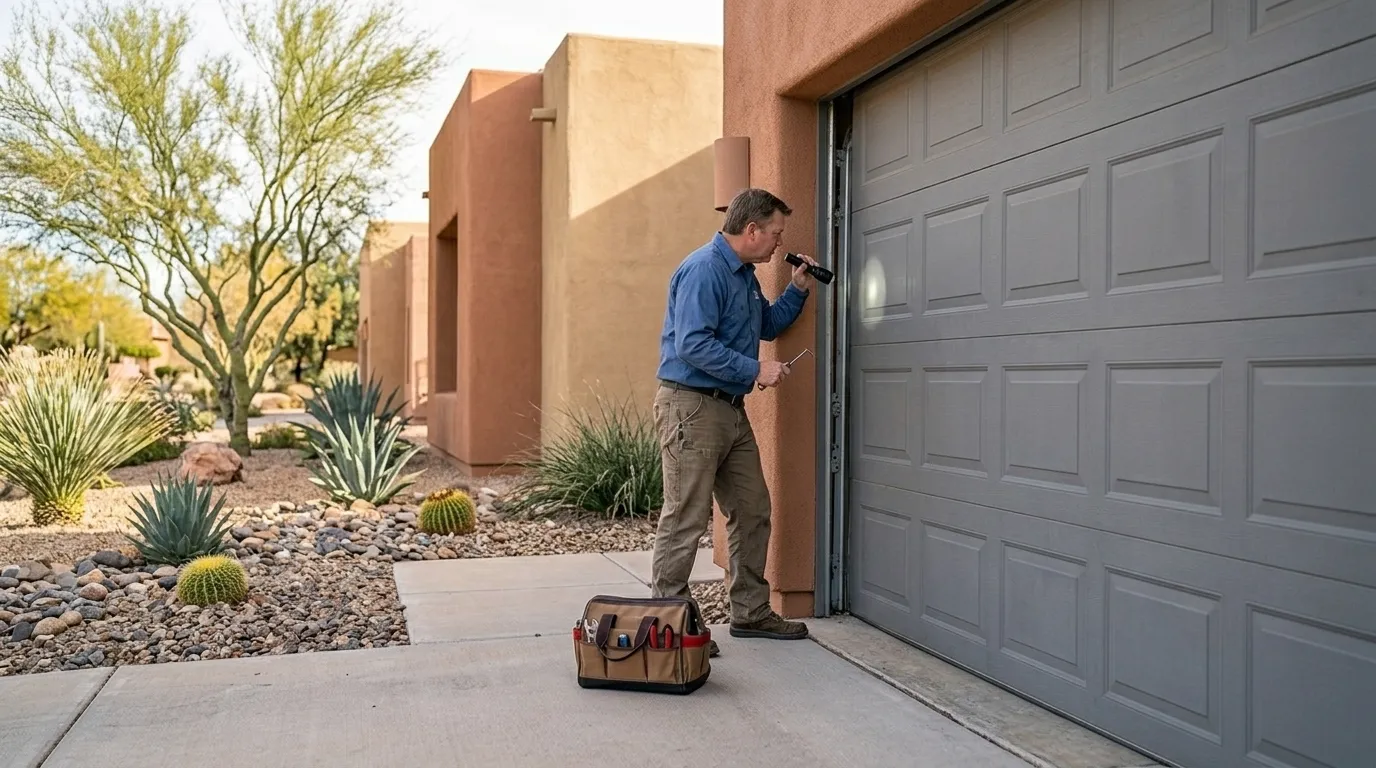
We don't have a fixed number to post here, because the price depends on the spring size, whether it's a single spring or a pair, and whether the drums or bearings need replacing alongside it - all things we only know once we've looked at the door. What we can say is that a torsion spring job on a newer, factory-standard door like most of what's in Eagle Mountain tends to be more predictable to price than an old, modified setup, because the parts are still common sizes rather than something a previous owner swapped in years ago. If you want a number for your specific door, that's a call and a look, not a guess over the phone.