How We Fix It
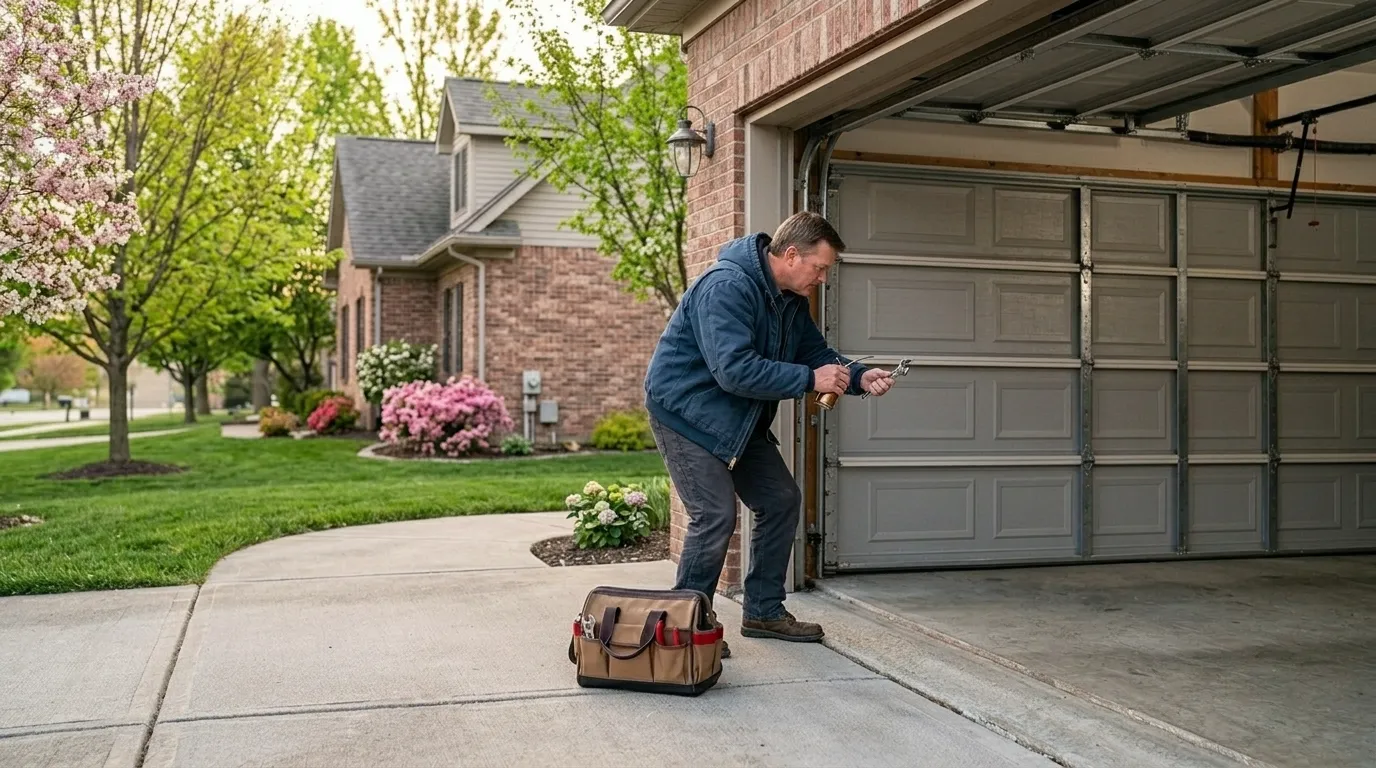
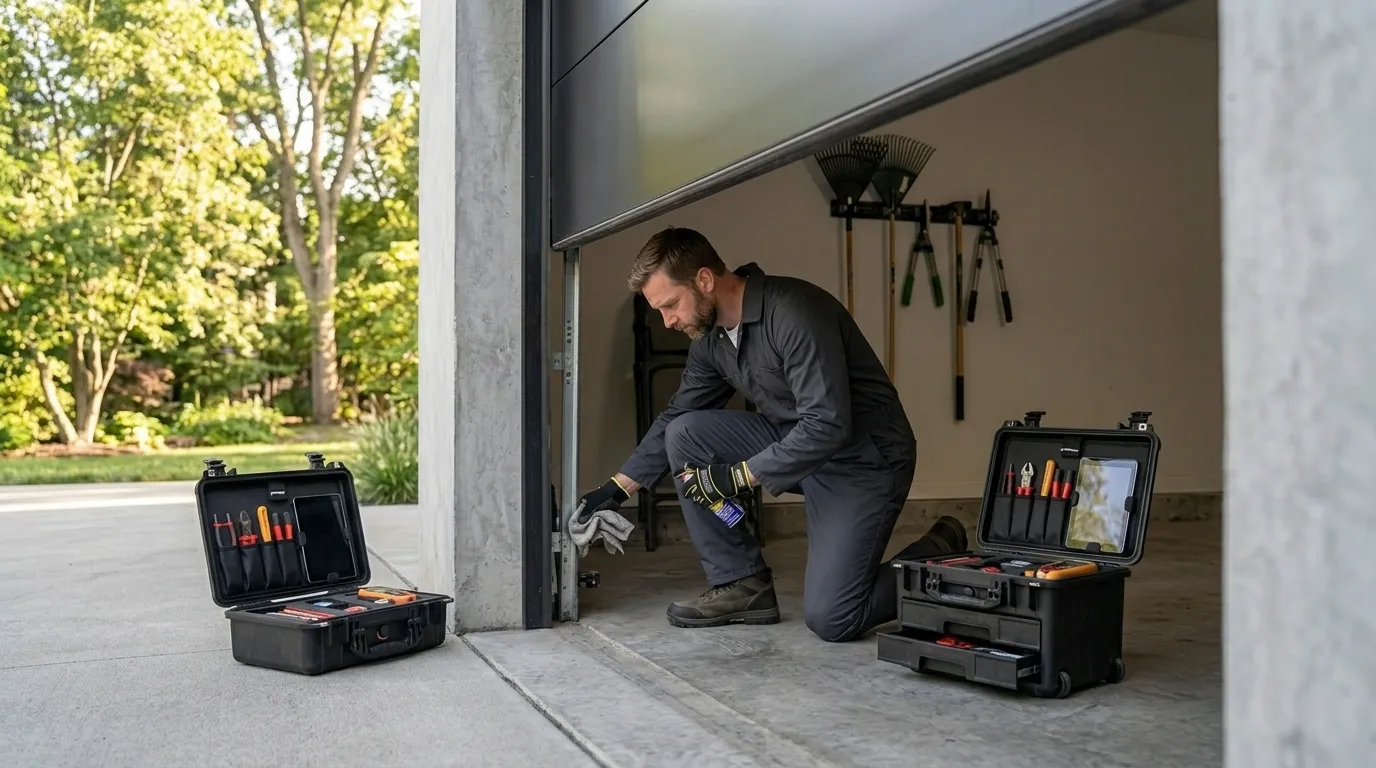
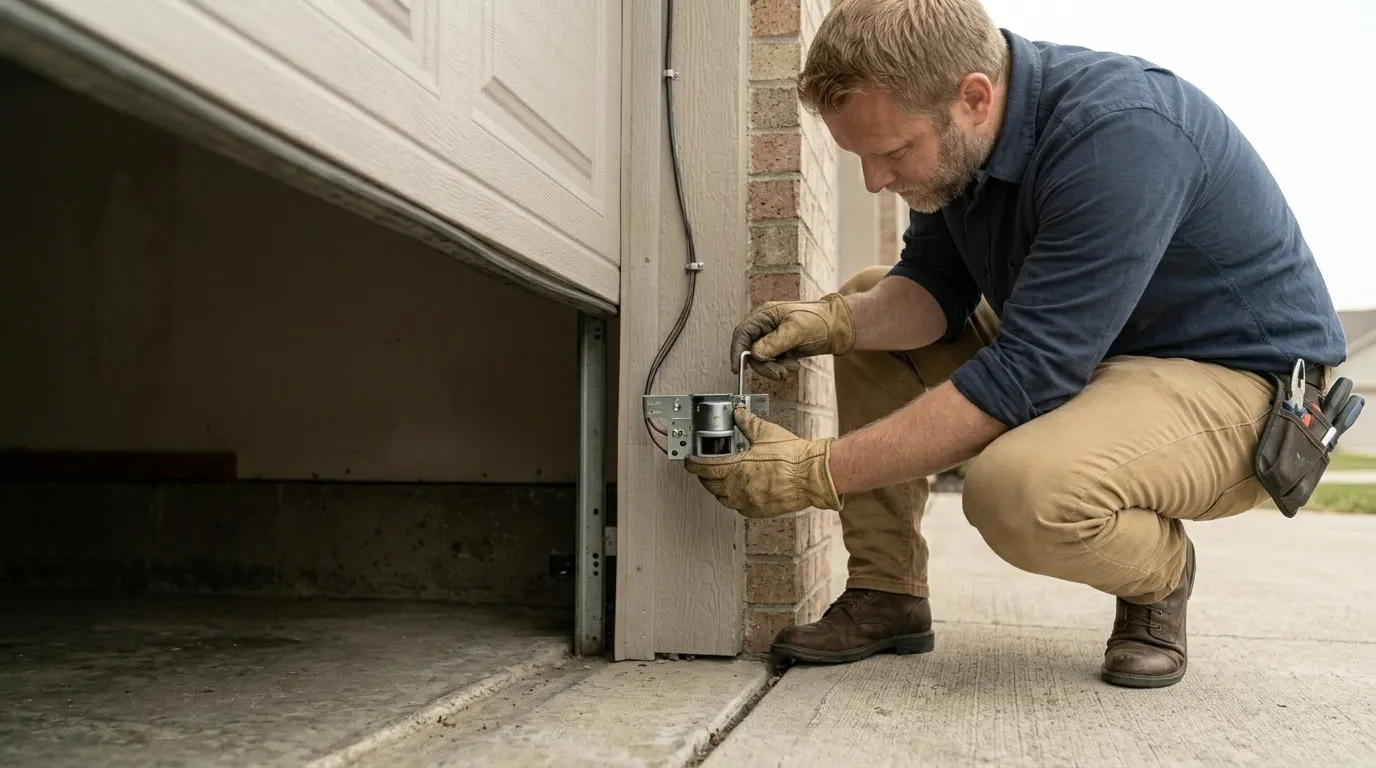
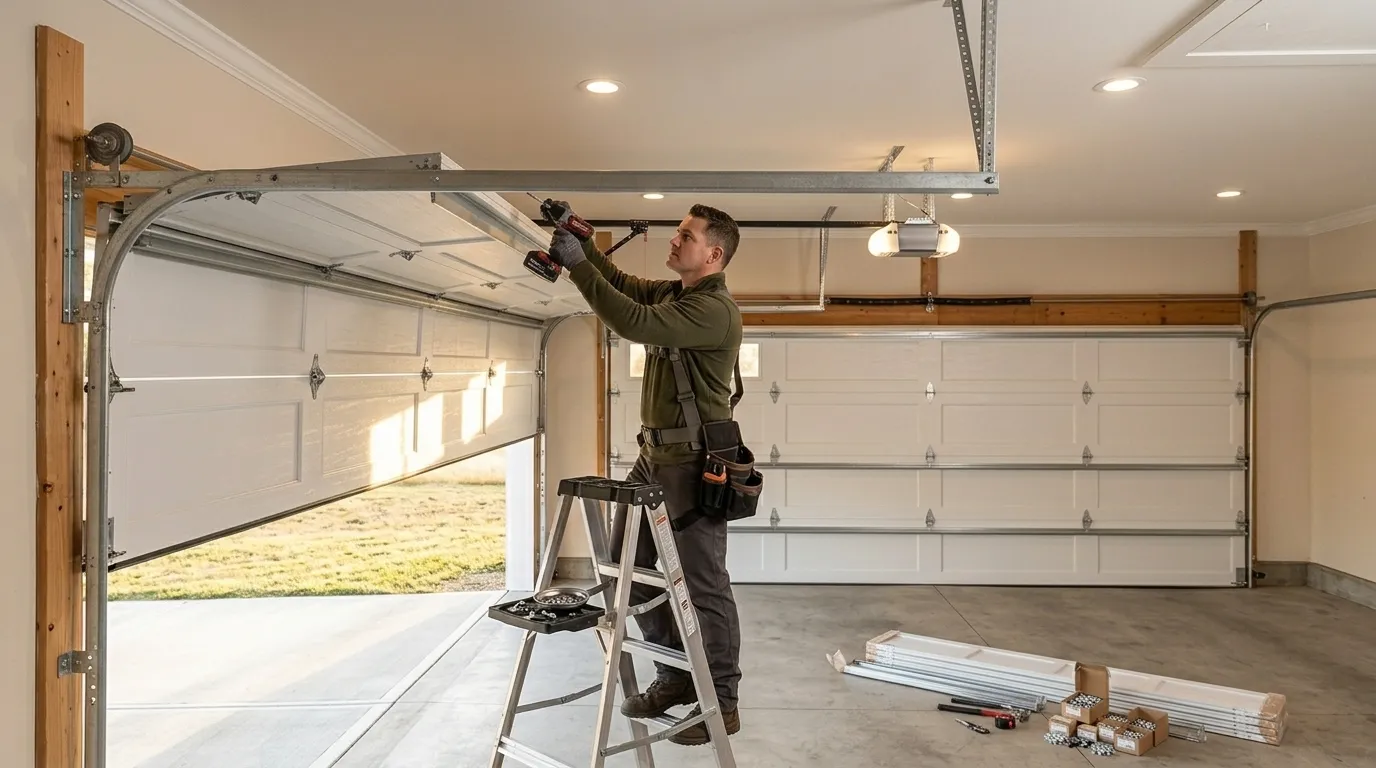
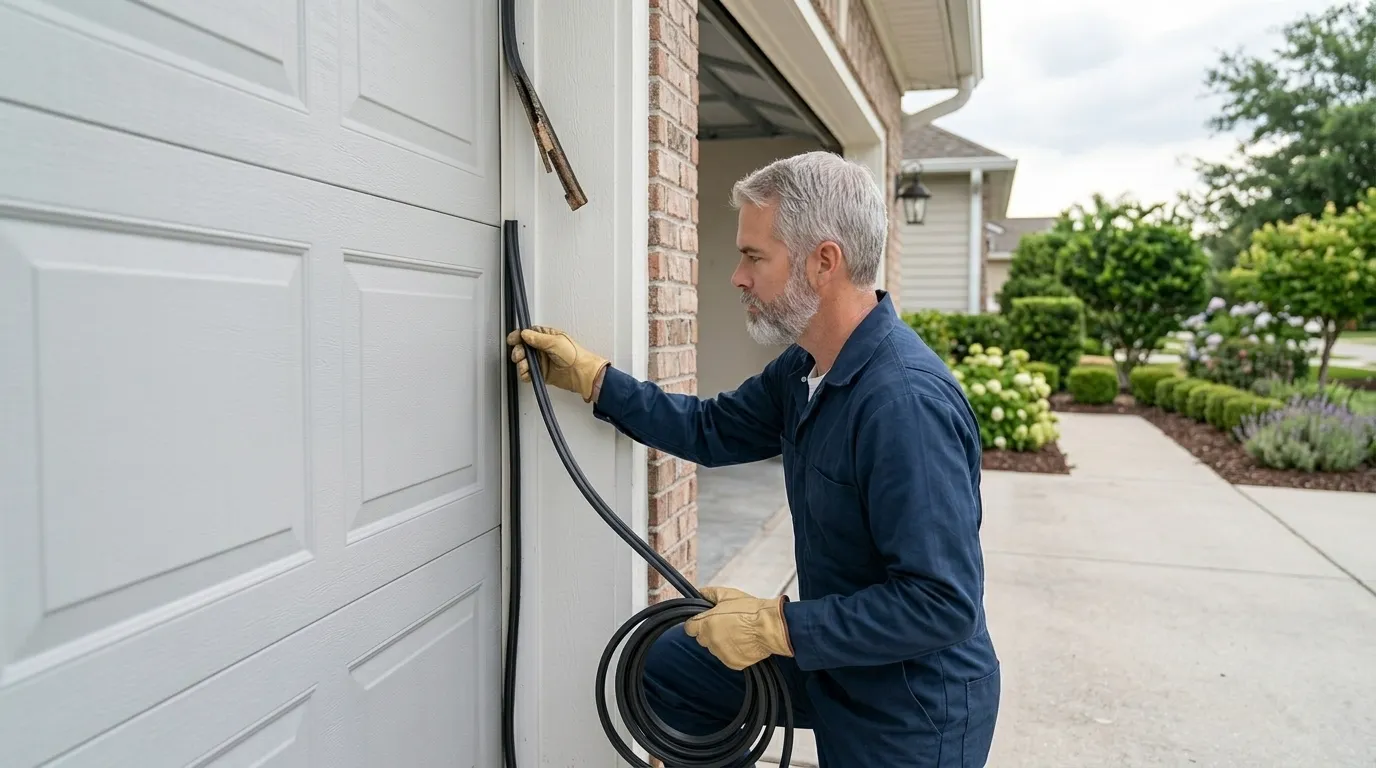
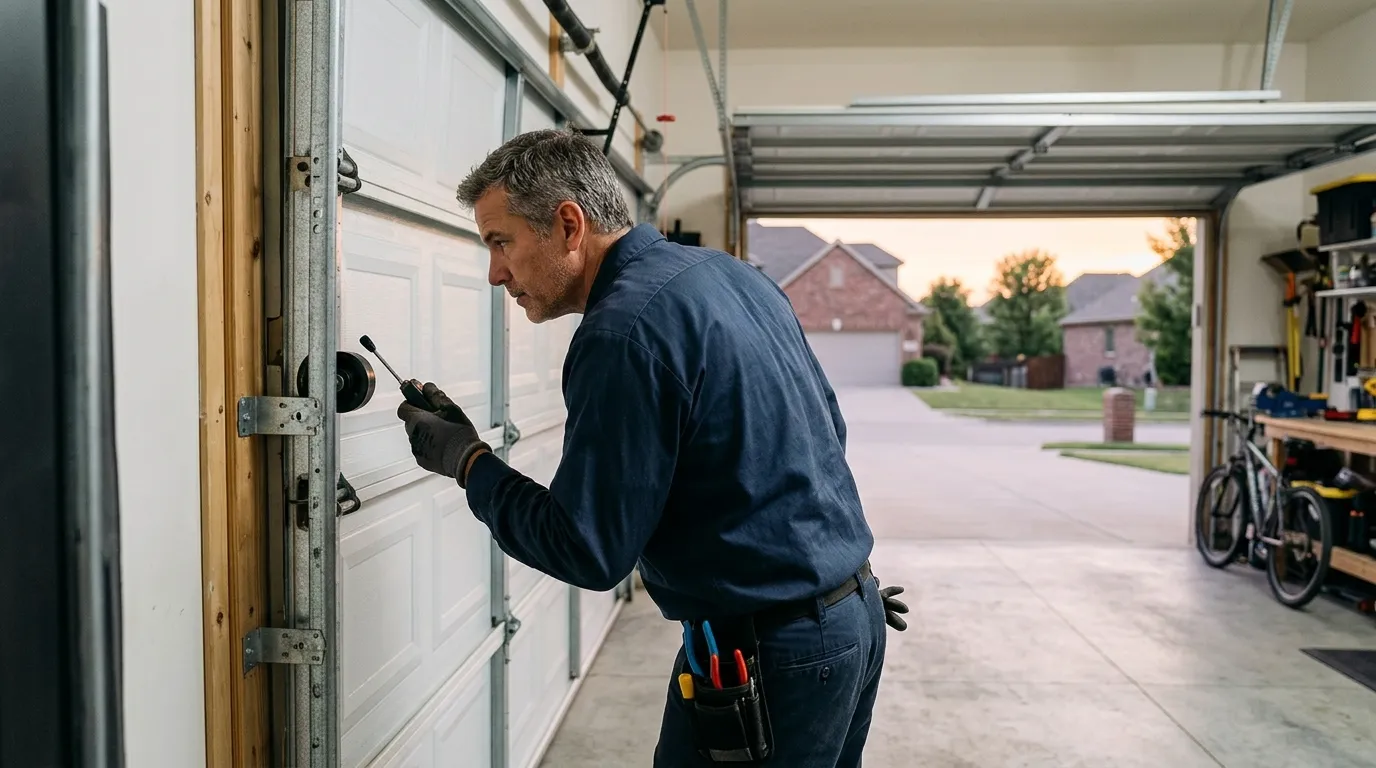
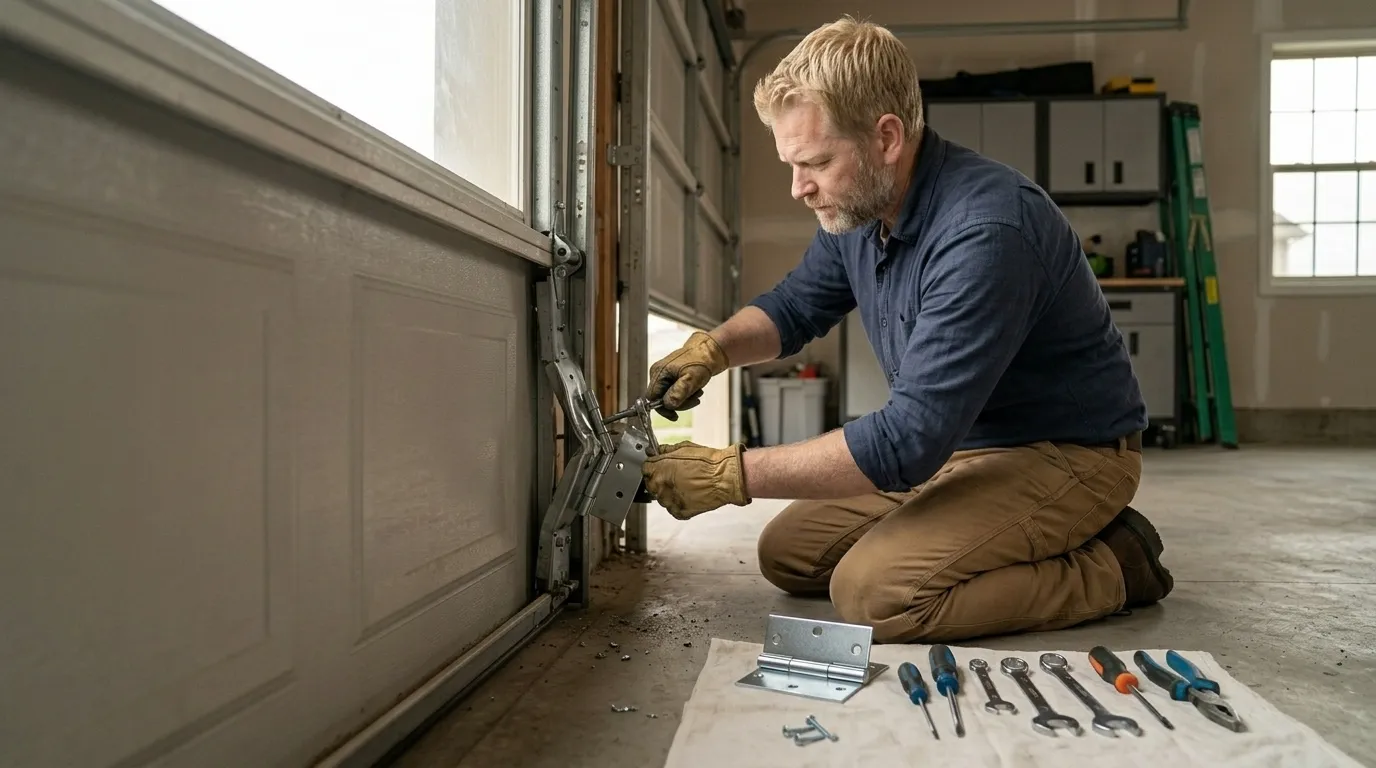
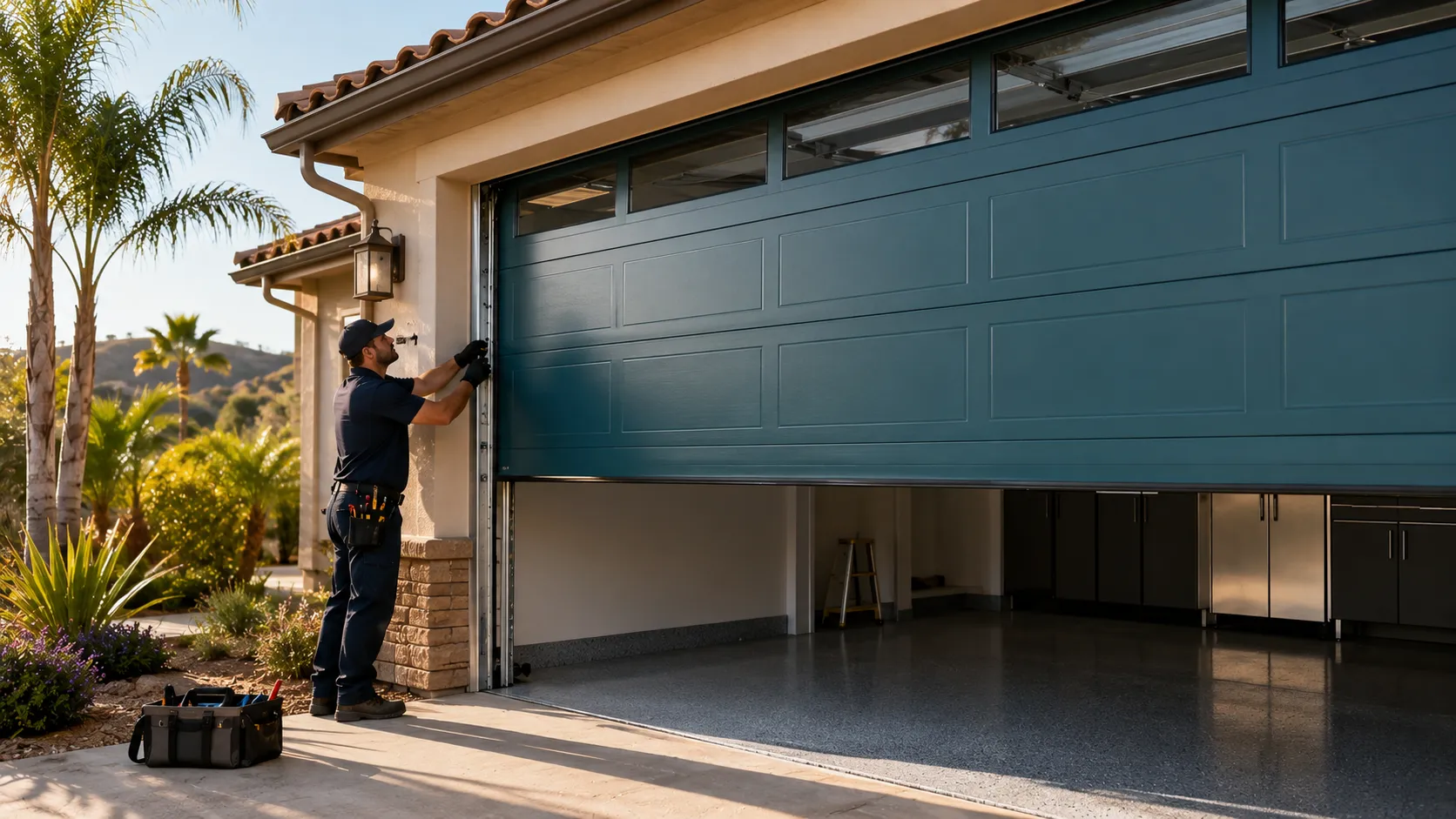
A cable job starts with releasing tension safely - on a double door with extension springs, that means securing the door and working the cable off the drum or the bottom bracket without letting the door drop. We measure the old cable, check the drum or pulley it rode on for wear, and replace both ends of a broken cable pair even if only one side failed, since the other side is usually close behind. On the newer double doors typical of Highland's 2004-median stock, we also check the cable's fit against the track length, because a slightly undersized cable on a longer door puts uneven strain on the opener and the other hardware. Once the new cable's on, we run the door by hand a few times before we ever touch the opener, checking for drag, binding, or a cable riding off the drum groove. If the opener's been fighting a bad cable for a while, we check the gears and belt or chain for wear it may have caused.
What Can Go Wrong
The most common cable failure on newer double doors is fraying at the drum end from repeated cycling under a heavier load than the cable was built to handle long-term - not dramatic, just a slow give until one strand catches and the rest follow. Less common but harder to catch early: a cable that's rusted from the inside out where it wraps a corroded pulley, which looks fine until it snaps. We also see cables that were replaced with the wrong gauge on a prior repair, which holds for a while and then fails under the exact load it was never rated for. One thing we won't do is patch a fraying cable with a splice or a shortened wrap - a cable under a garage door's load either gets replaced whole or it stays a hazard. If a door's cable has failed twice in under a year, that's usually a sign the track or the springs are out of balance and pushing extra strain onto the cable every cycle.
How It Shows Up
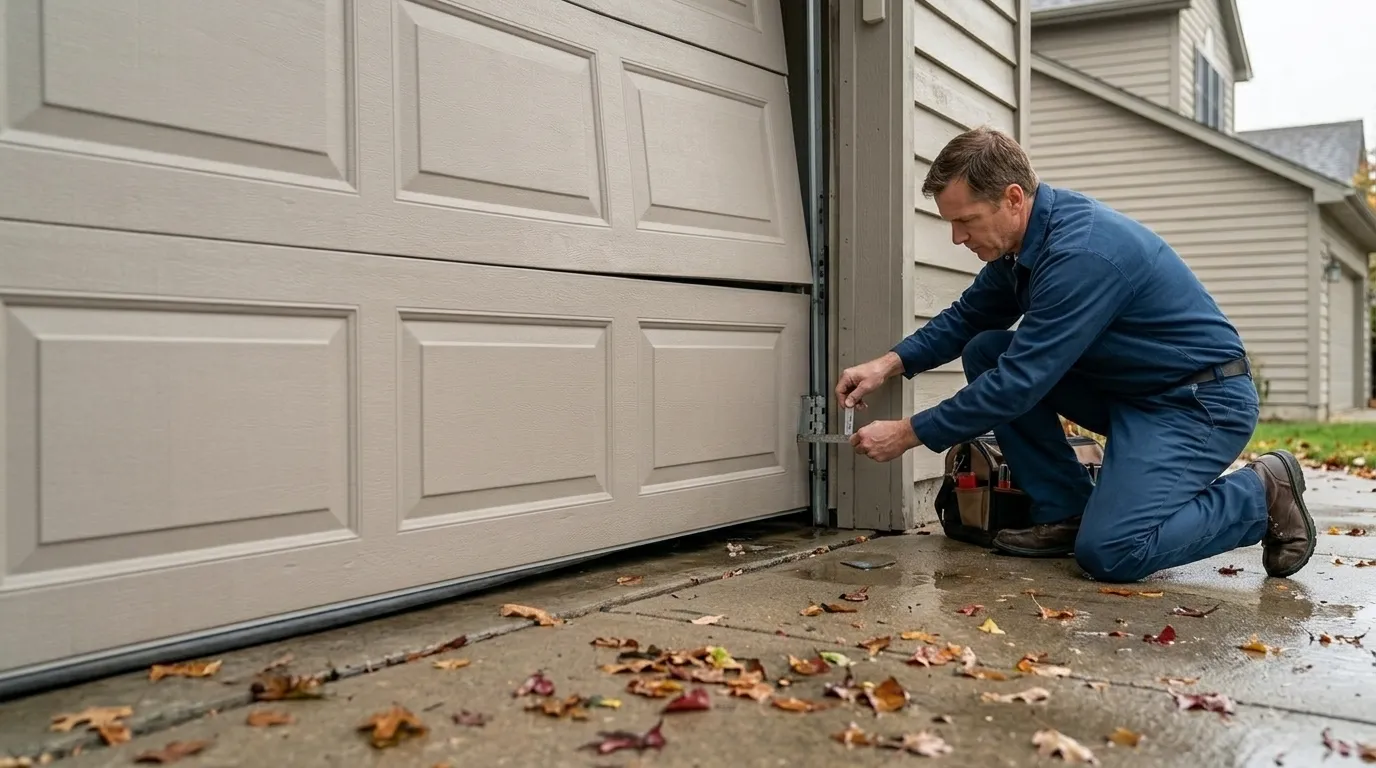
Most Highland calls start with a door that hangs unevenly on one side, or a loud bang followed by the door refusing to move - that's usually the cable letting go at the drum. Sometimes it's quieter: a door that's started drifting off level track by track, a sign the cable's slipping its groove rather than fully broken yet. On the newer double doors common here, a partially frayed cable can also show up as the opener straining audibly on the last foot of travel, since the opener's picking up slack the cable should be carrying. If you hear a sharp snap and the door drops fast, don't try to force it back down by hand - a cable under tension that's already failed can whip, and the door itself may now be resting on nothing but the opener arm.
Booking a Visit
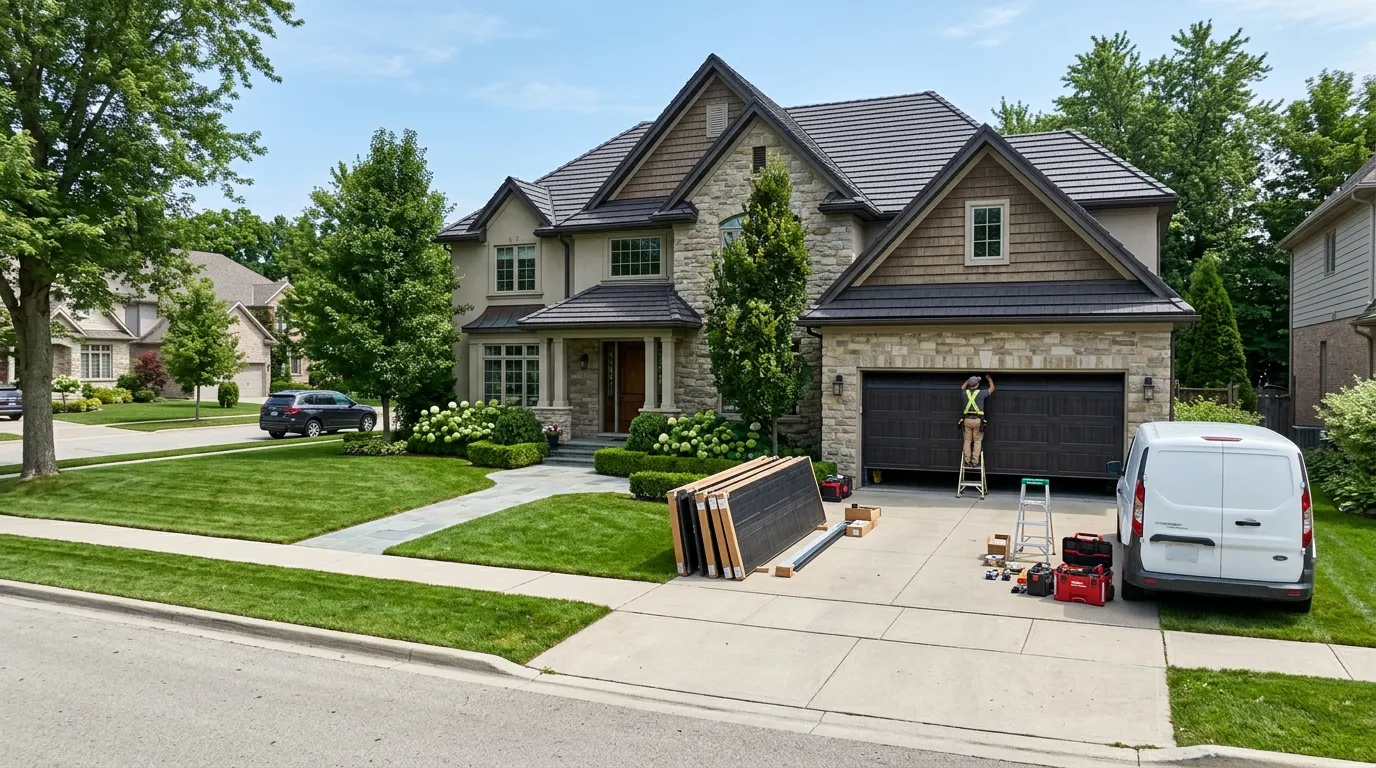
We run this job out to Highland from Orem, about 10 miles, so we schedule the visit rather than promise a same-hour drop-in. Tell us whether the door's a single or double, roughly how old the door itself is versus the house, and what you saw or heard when it failed - that helps us bring the right cable gauge and drum parts on the first trip instead of guessing. If you're not sure which side's out of balance, a photo of the door hanging or dropped helps more than a description over the phone.