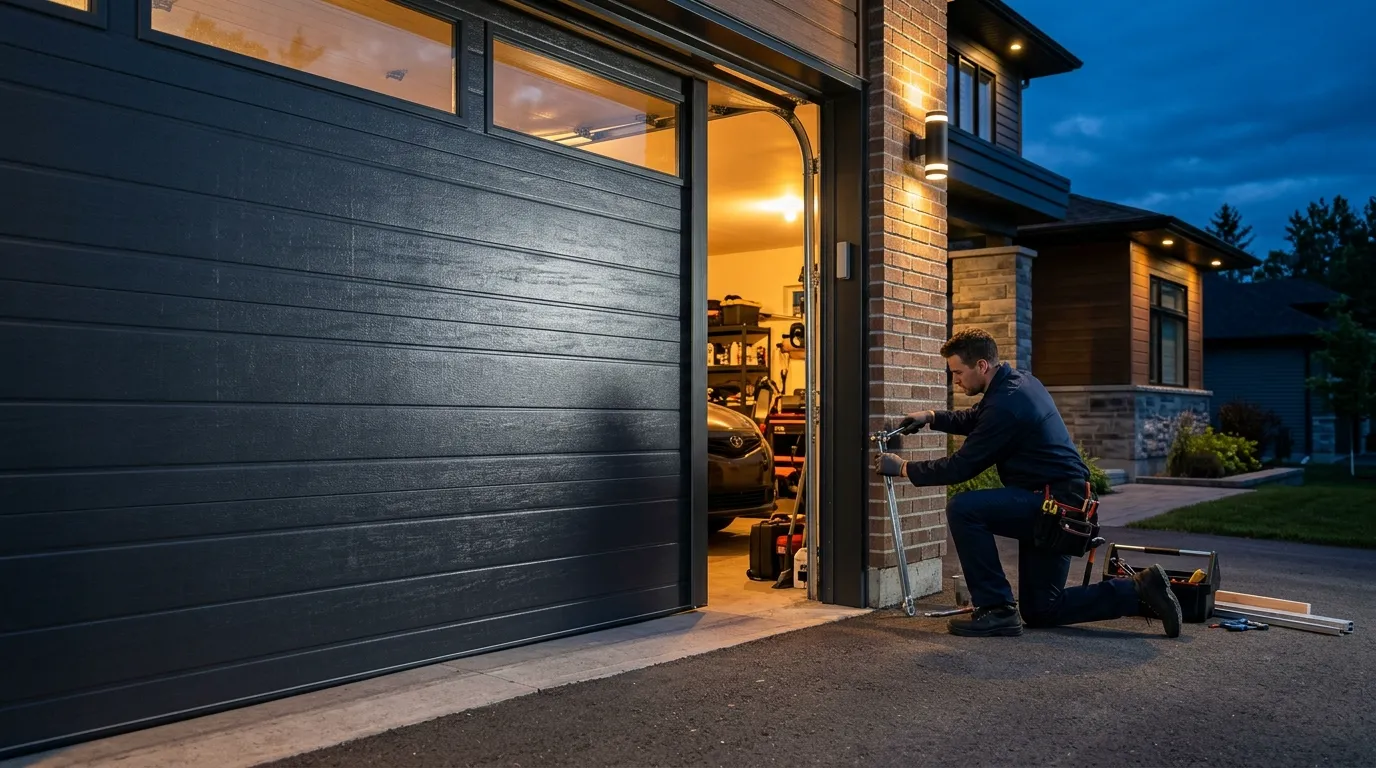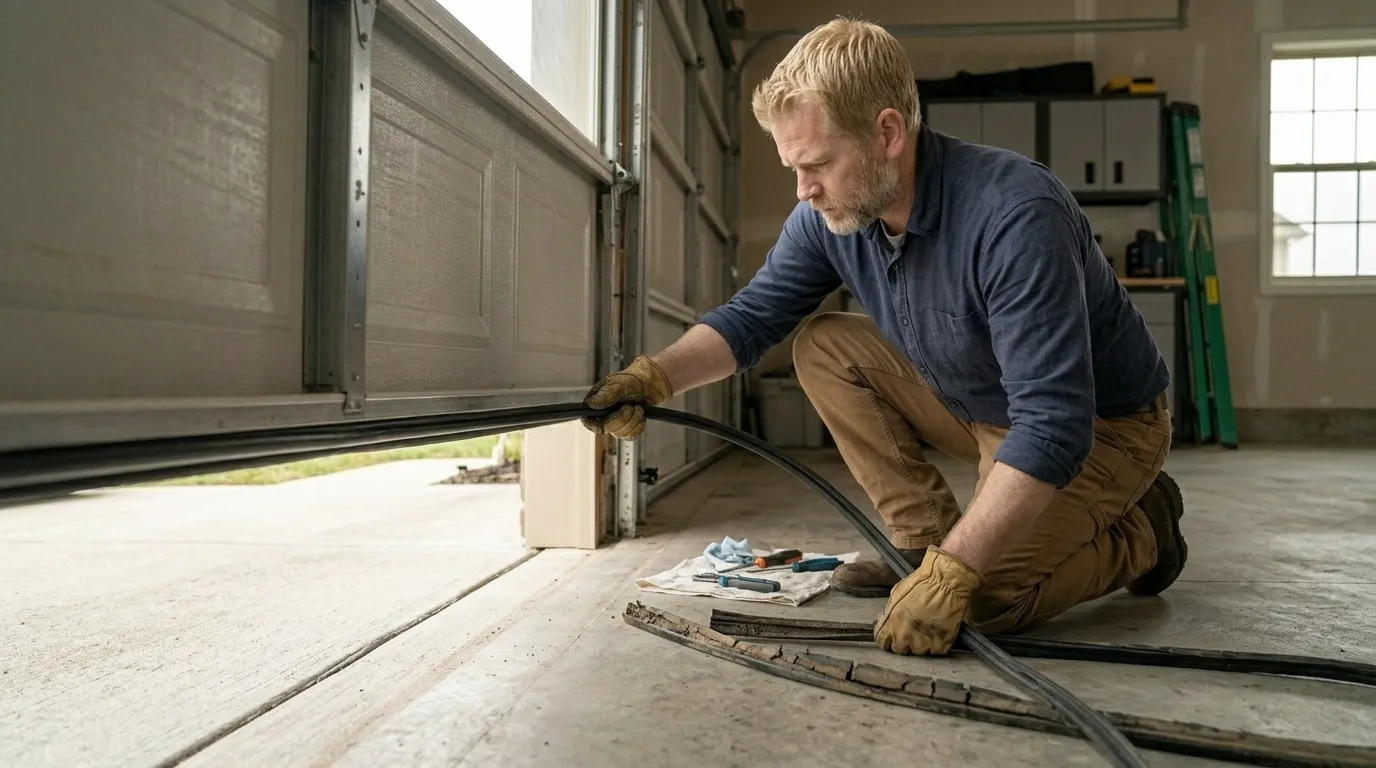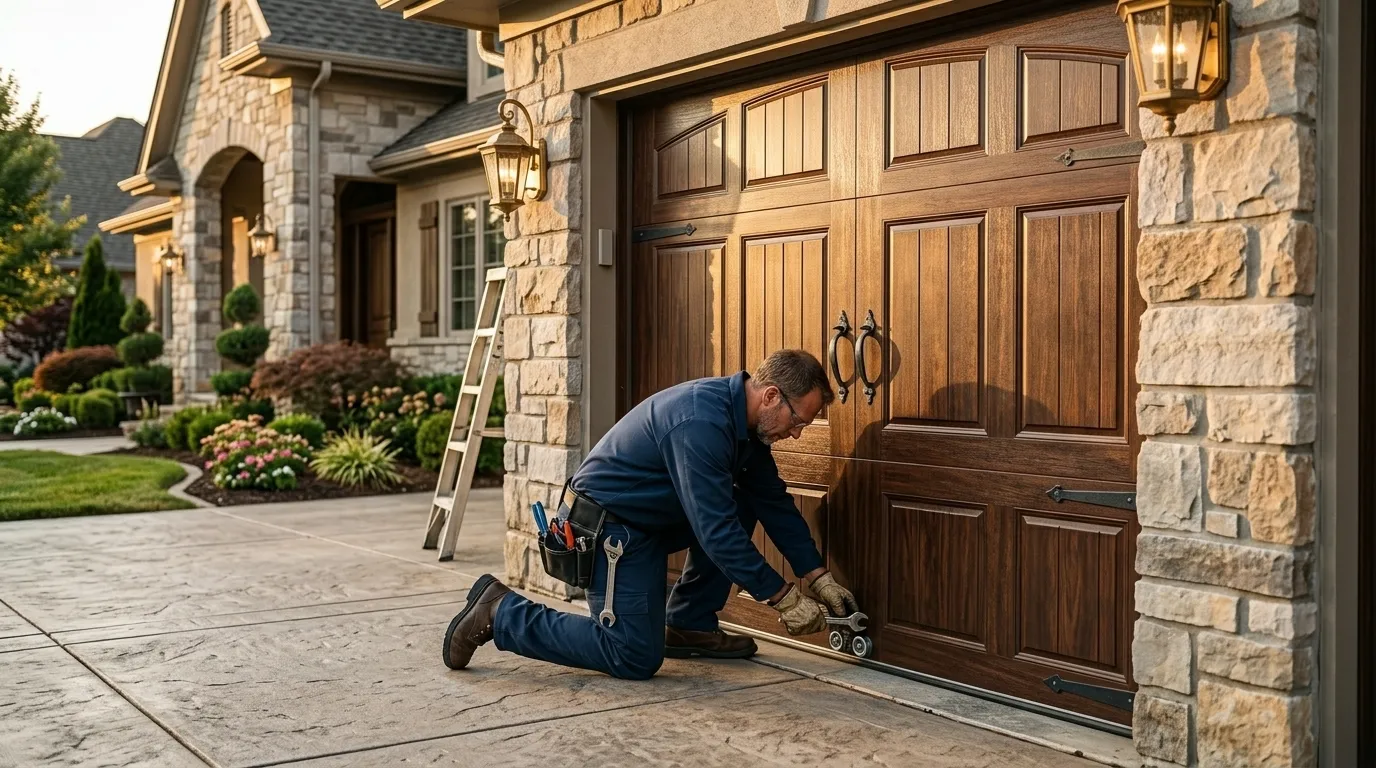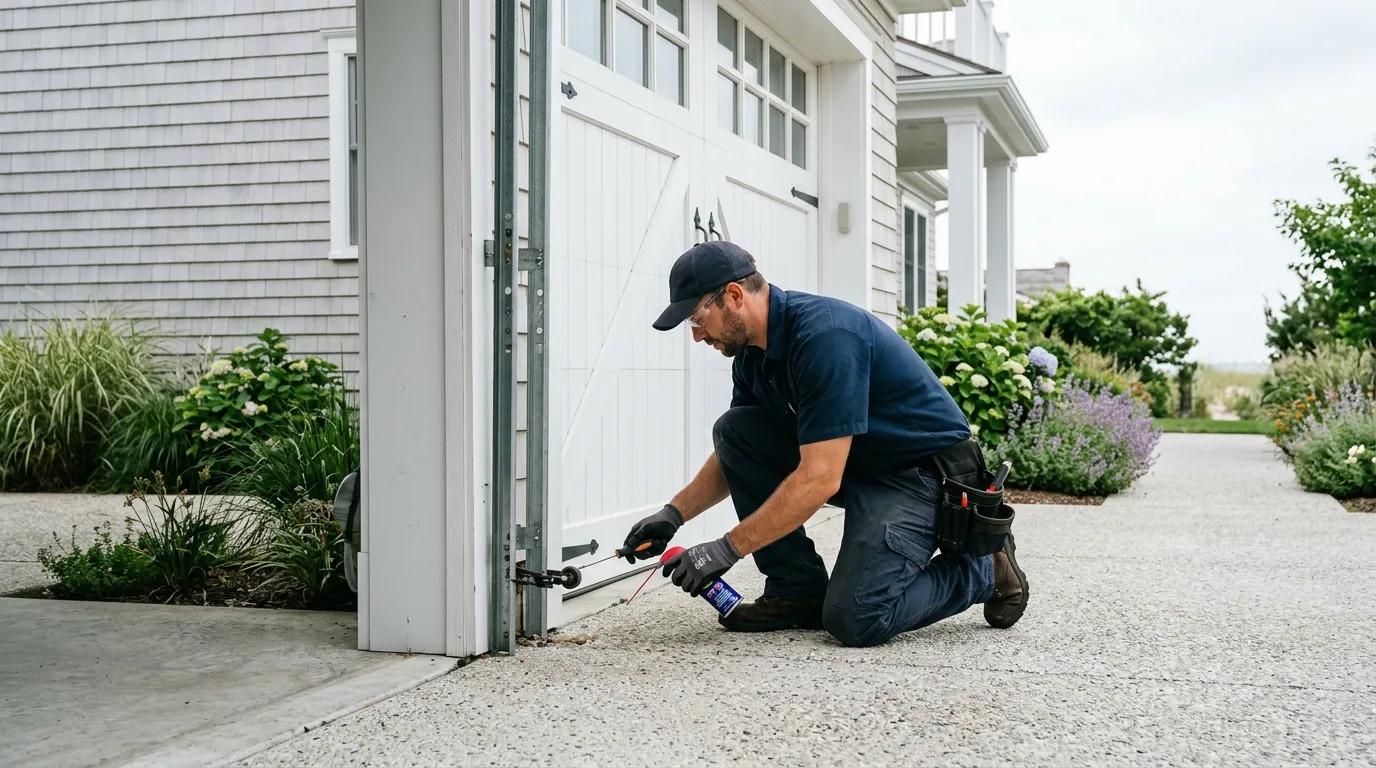
How We Fix It
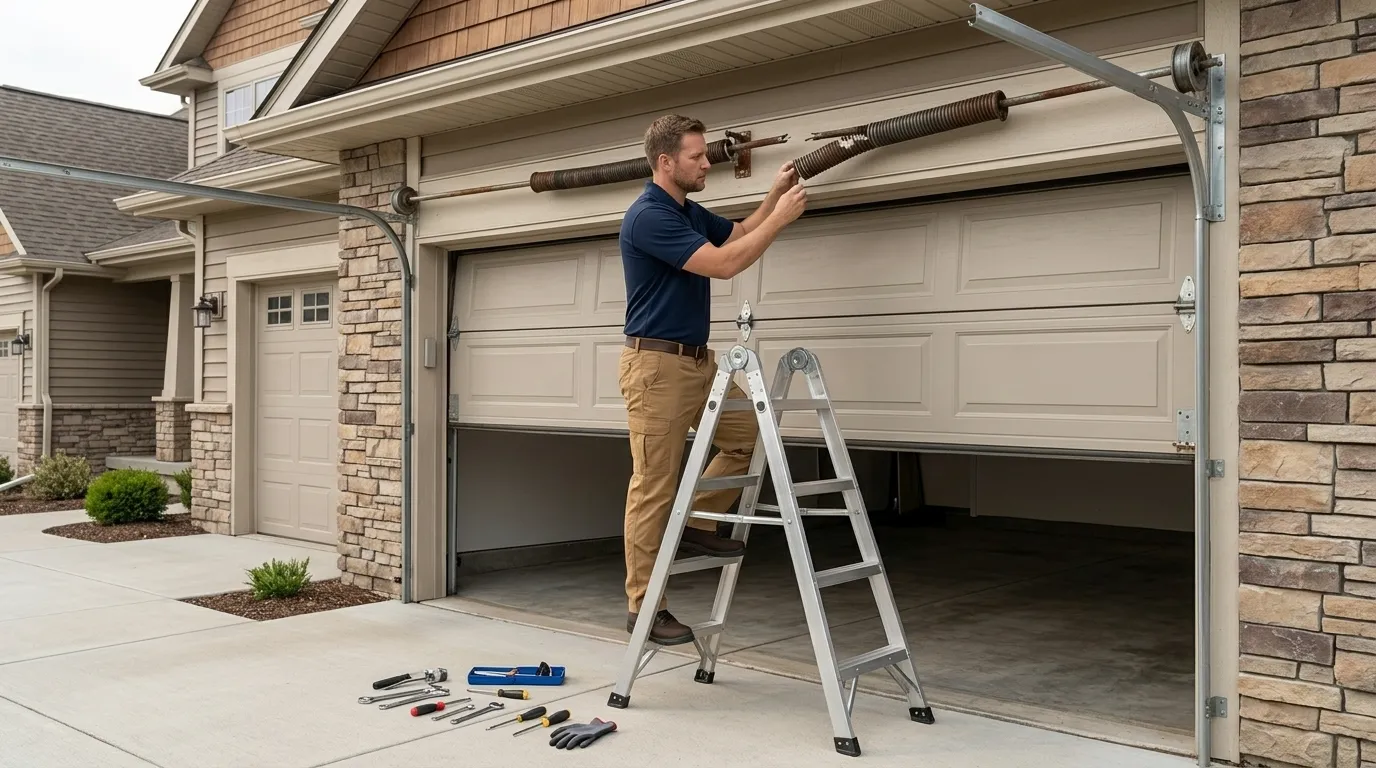
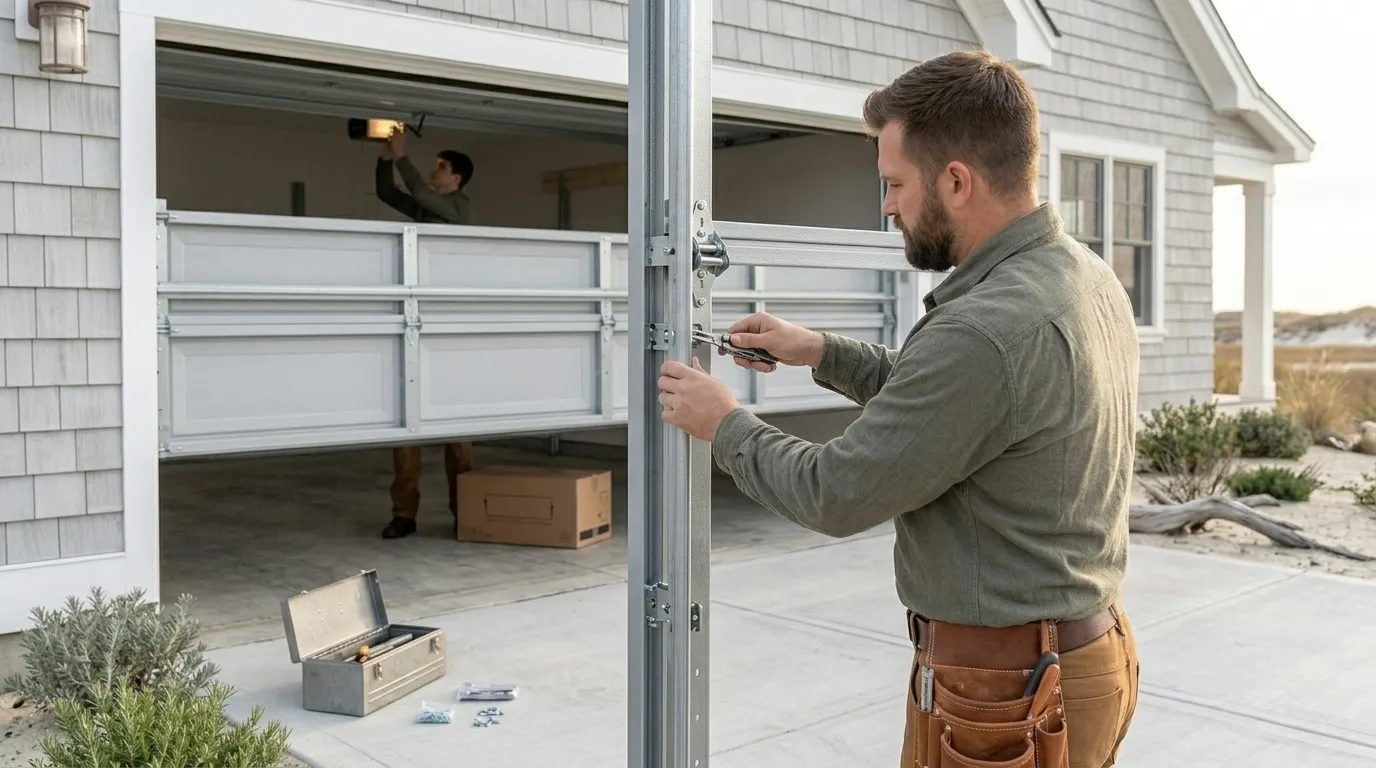
On a 2004-era door, the first thing we check is spring wear rather than rust or rot, since houses this age haven't had the decades of moisture exposure that older stock in the area has taken on. We test balance, check the torsion spring's wind and cycle count, and look at the opener's circuit board and limit switches before we touch anything else. If a cable's frayed, we replace both cables as a pair, not just the one that snapped - mismatched cable age on a torsion system throws the door out of level fast.
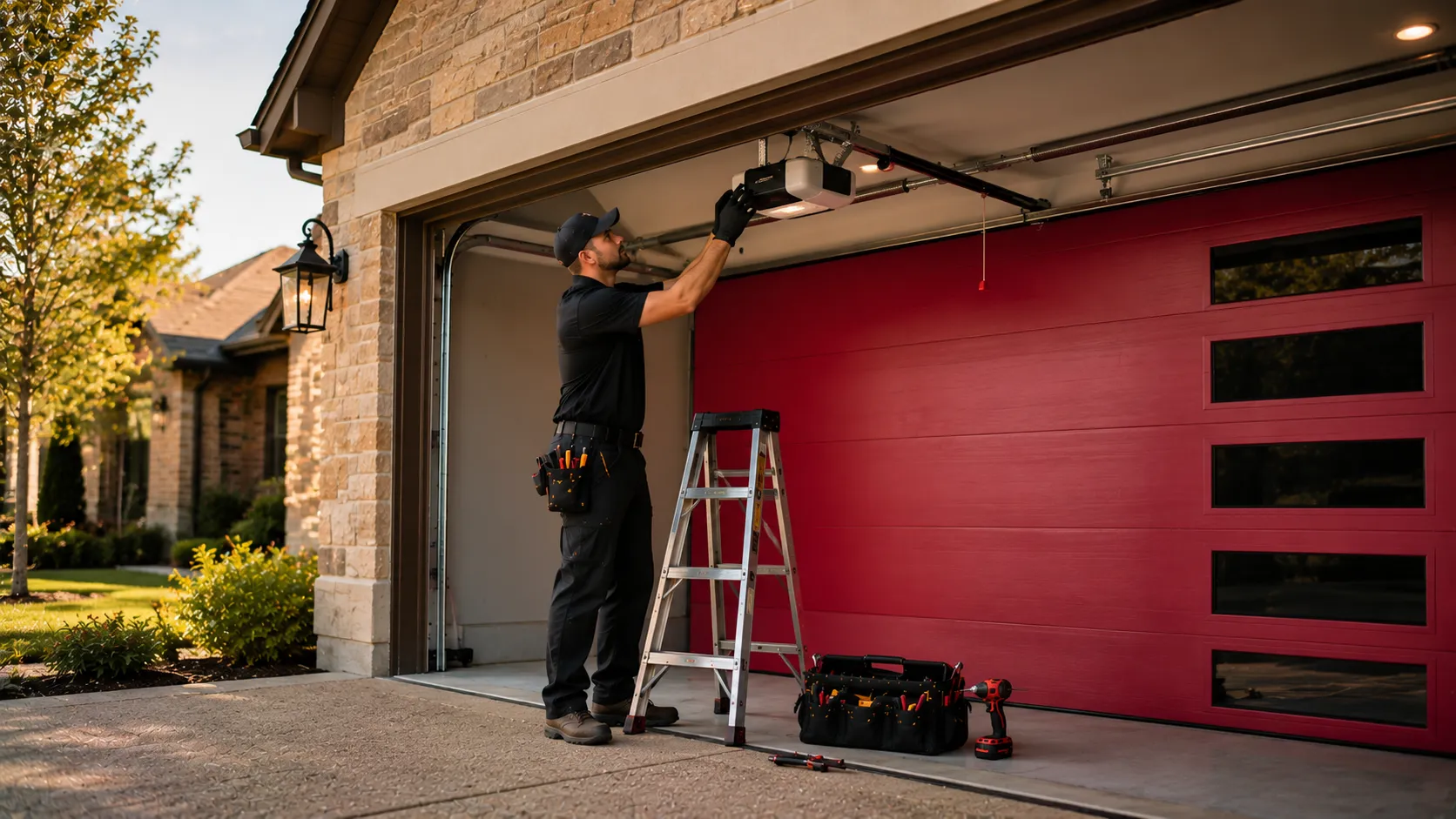
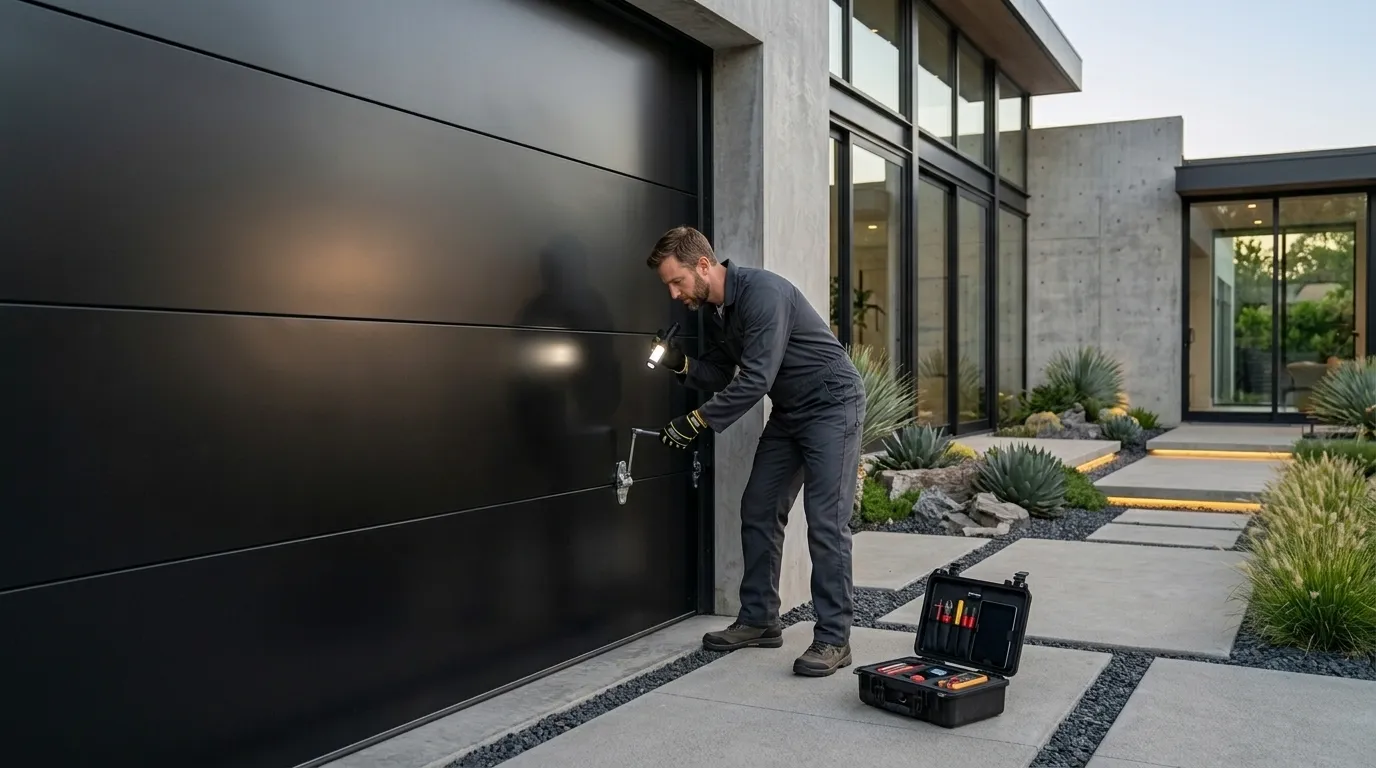
For openers, most of what we see in Highland is belt or chain drive with a modern circuit board, so diagnosis is usually electronic before it's mechanical: dead capacitor, failed sensor eye, or a logic board that's dropped its memory. We don't guess - we test the part, replace it, and confirm the door cycles clean before we leave. If a repair would cost more than about half of a new opener over its remaining life, we say so instead of billing you for it.
What Can Go Wrong
Given the housing age here, the most common failure we see isn't the spring itself - it's the opener's electronics. Boards built into 2000s-era openers are now old enough to fail outright, and a lot of homeowners assume a dead opener means a dead door when it's really a $30 board part. Torsion springs on doors this age are usually still original, and they're rated for a set number of cycles, so a spring that's been fine for twenty years can still snap without warning once it hits its limit.
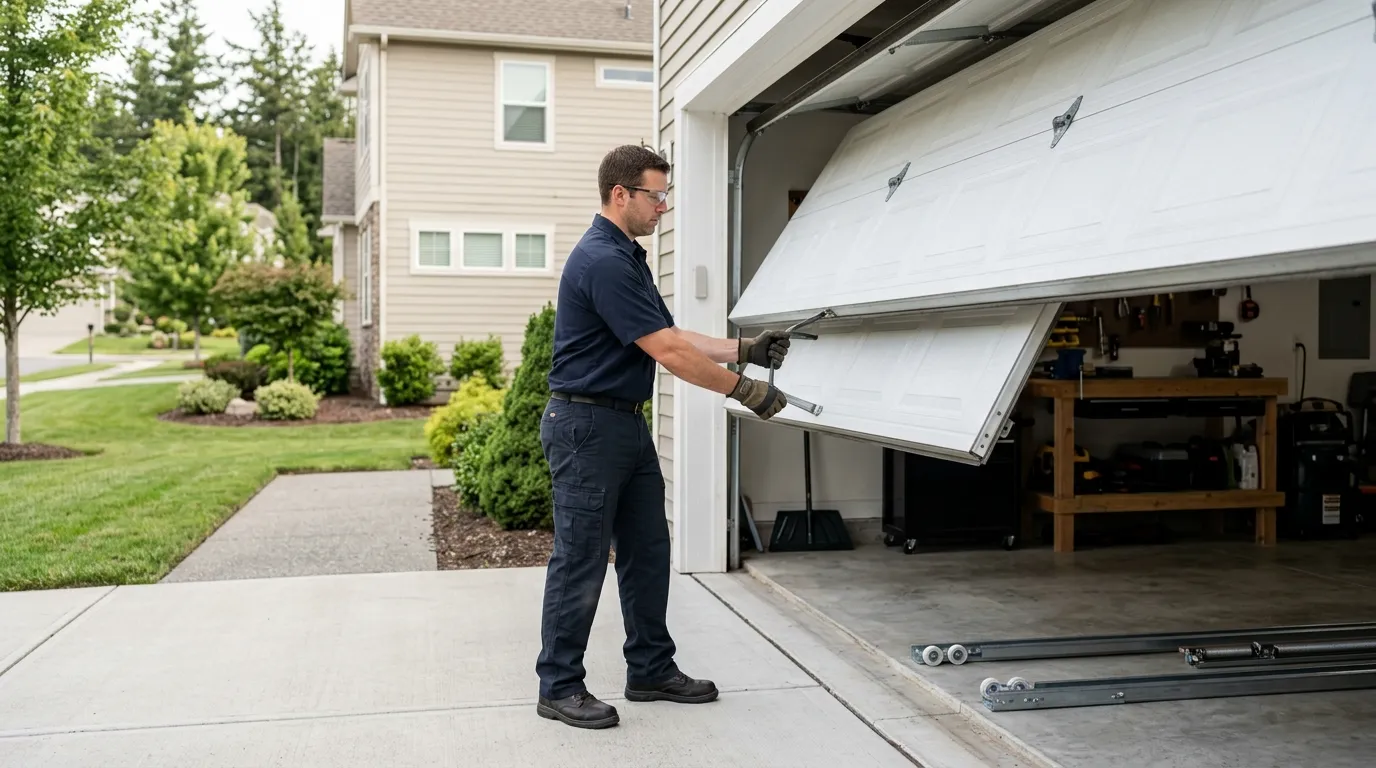
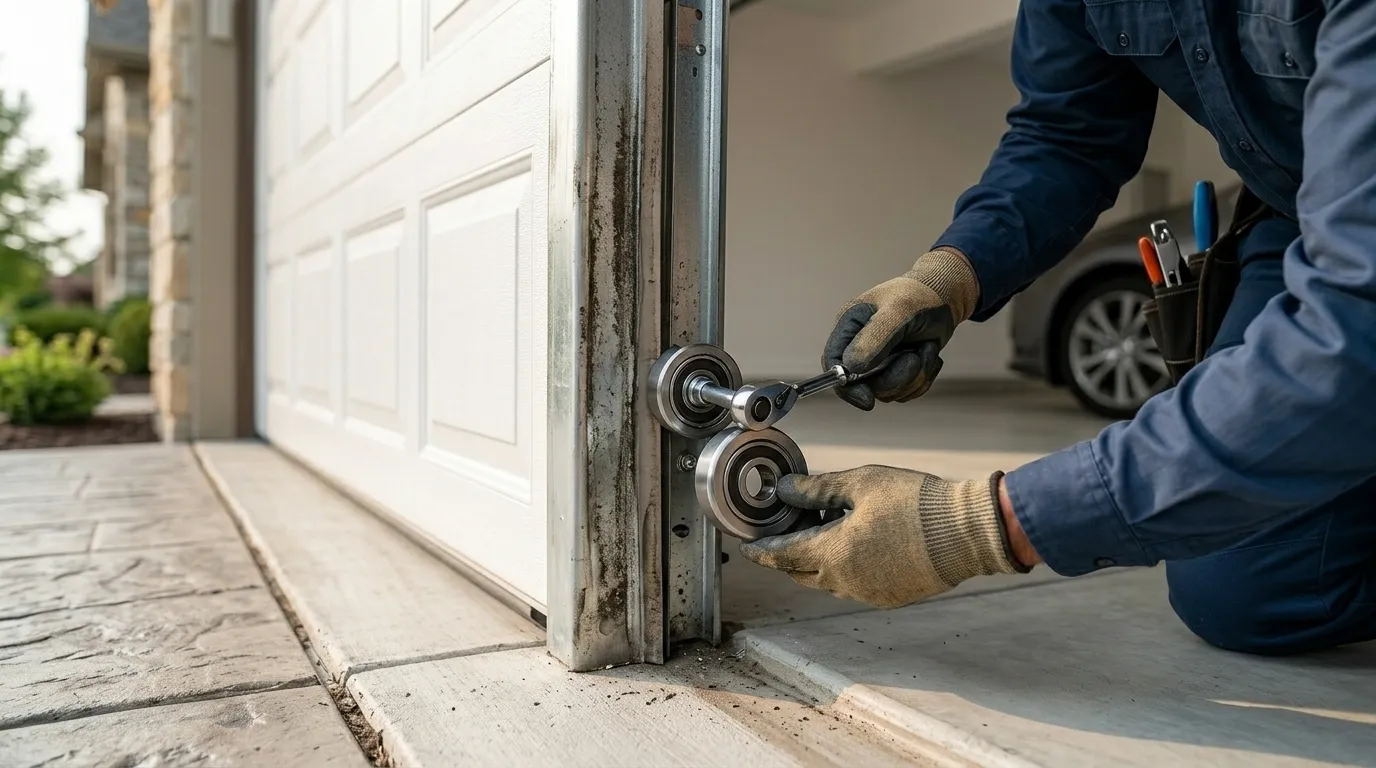
Rollers are the other wear point. Nylon rollers on a door built around 2004 are due, or past due, for replacement - they don't fail catastrophically like a spring, they just get loud and start binding in the track. None of this is Highland-specific hardware trouble; it's what happens to any door built in that decade once it's had two solid decades of cycles.
How It Shows Up
A homeowner in Highland usually calls us about a door that's suddenly loud, an opener that stopped responding to the remote, or a door that reverses partway up. Given the housing age, a sudden loud grinding is more often a roller or bearing issue than a spring about to go, though we still check the spring every time - a door built in 2004 is right in the window where original torsion springs start reaching their rated cycle count.
A door that won't close all the way, or that reverses on its own, usually points to a misaligned or dirty safety sensor rather than anything mechanical - a five-minute fix once we're on site, but not one most homeowners want to troubleshoot themselves with a ladder and a multimeter.
Booking a Visit
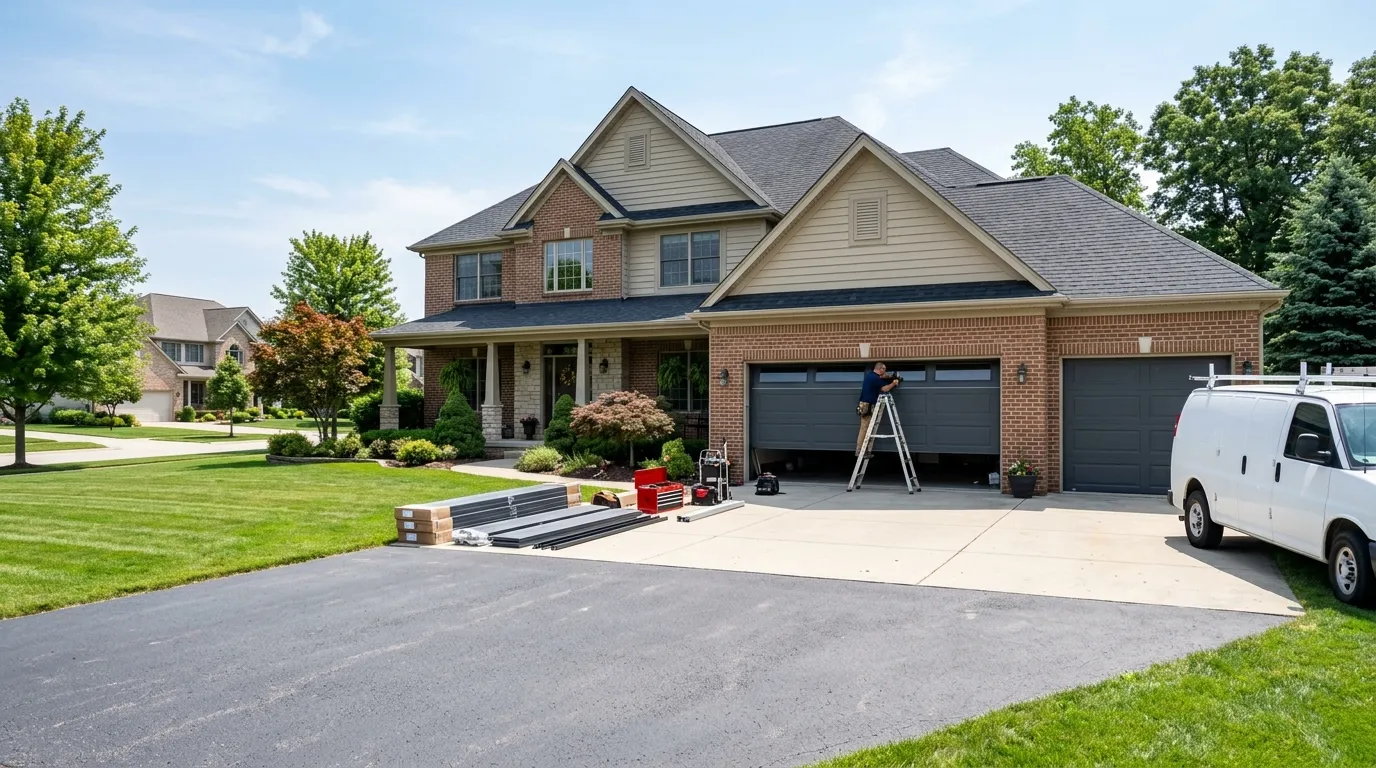
We work Highland from our base in Orem, about 10 miles out, so we schedule the run rather than showing up same-hour the way we might closer to the shop. Tell us the door's age, whether it's chain or belt drive if you know, and what it's doing - grinding, stuck, silent opener - and we'll bring the right parts the first time instead of guessing on site. We don't keep a branch or drop point in Highland itself; every job here starts with a truck leaving Orem.