How We Fix It
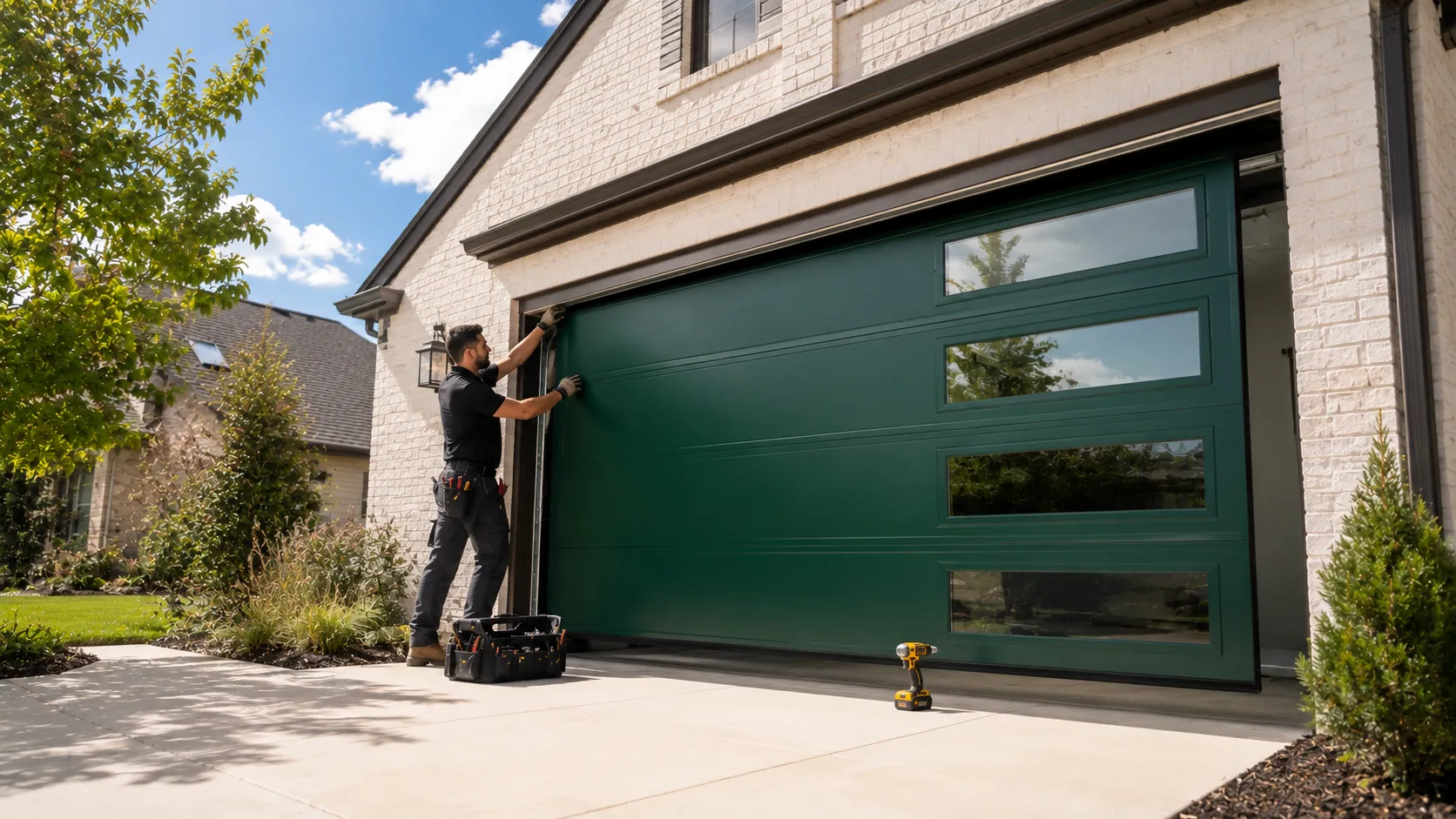
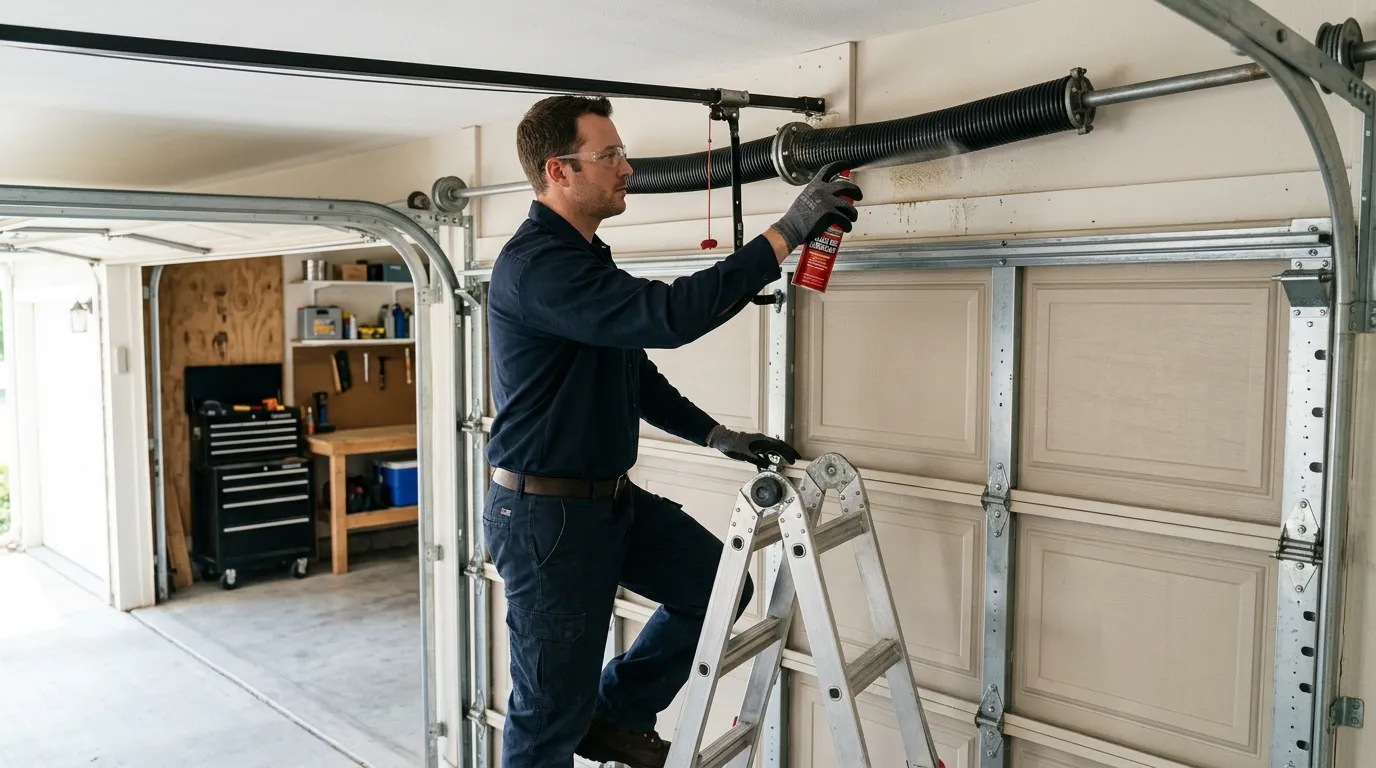
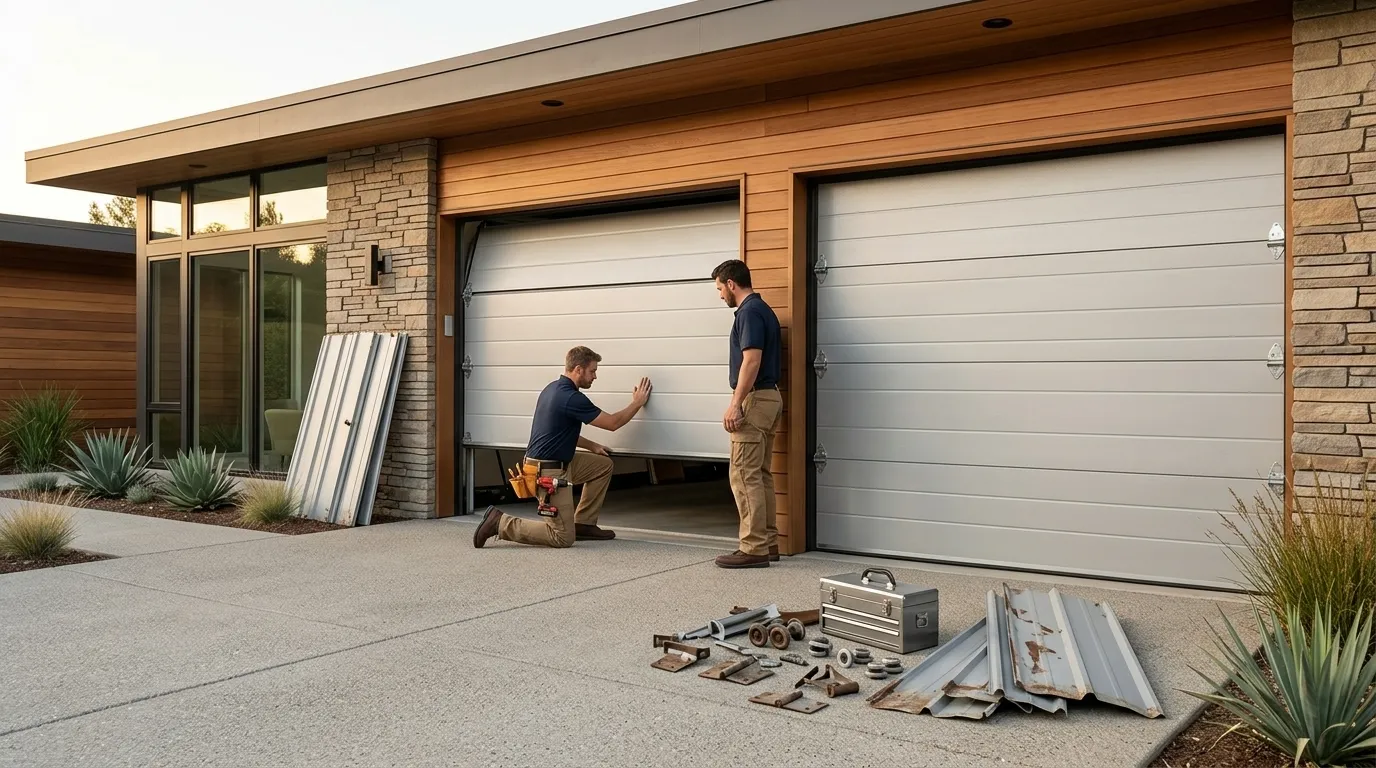
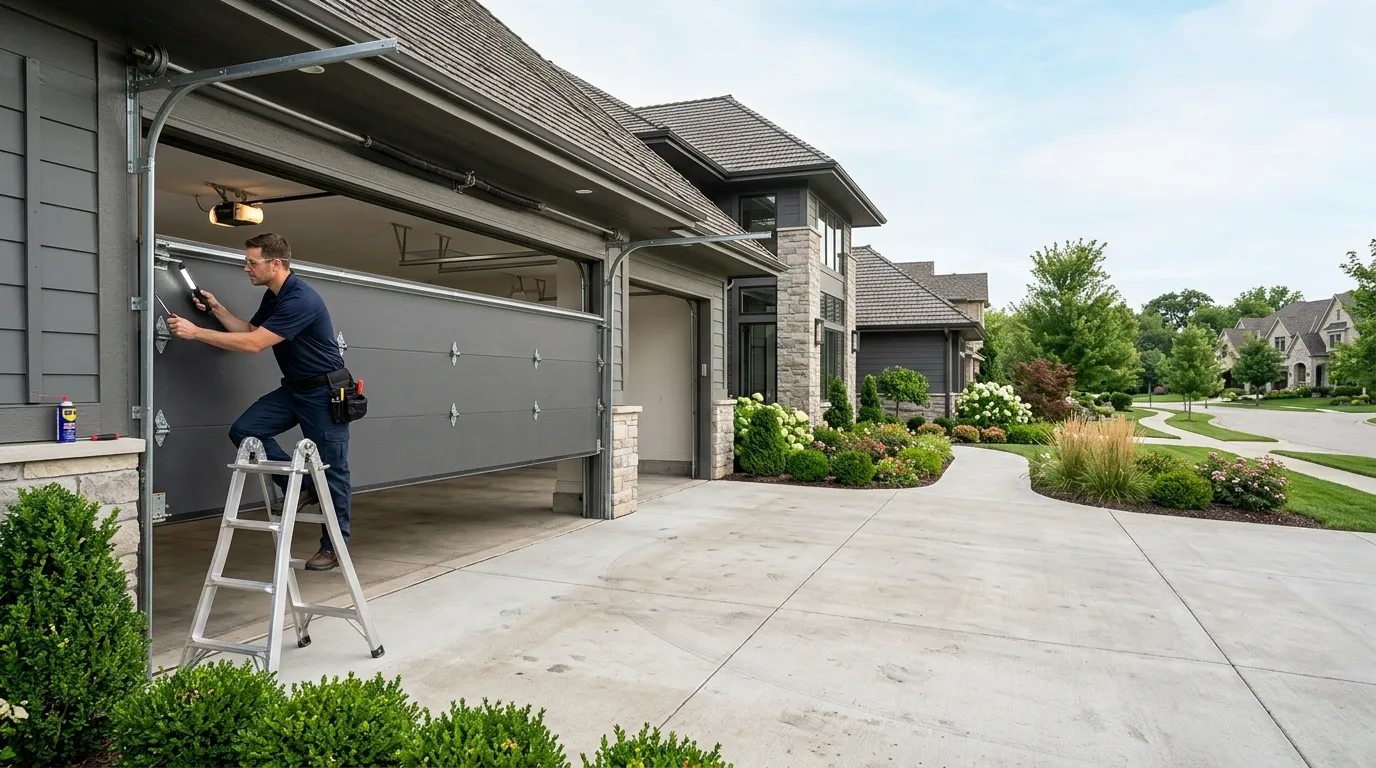
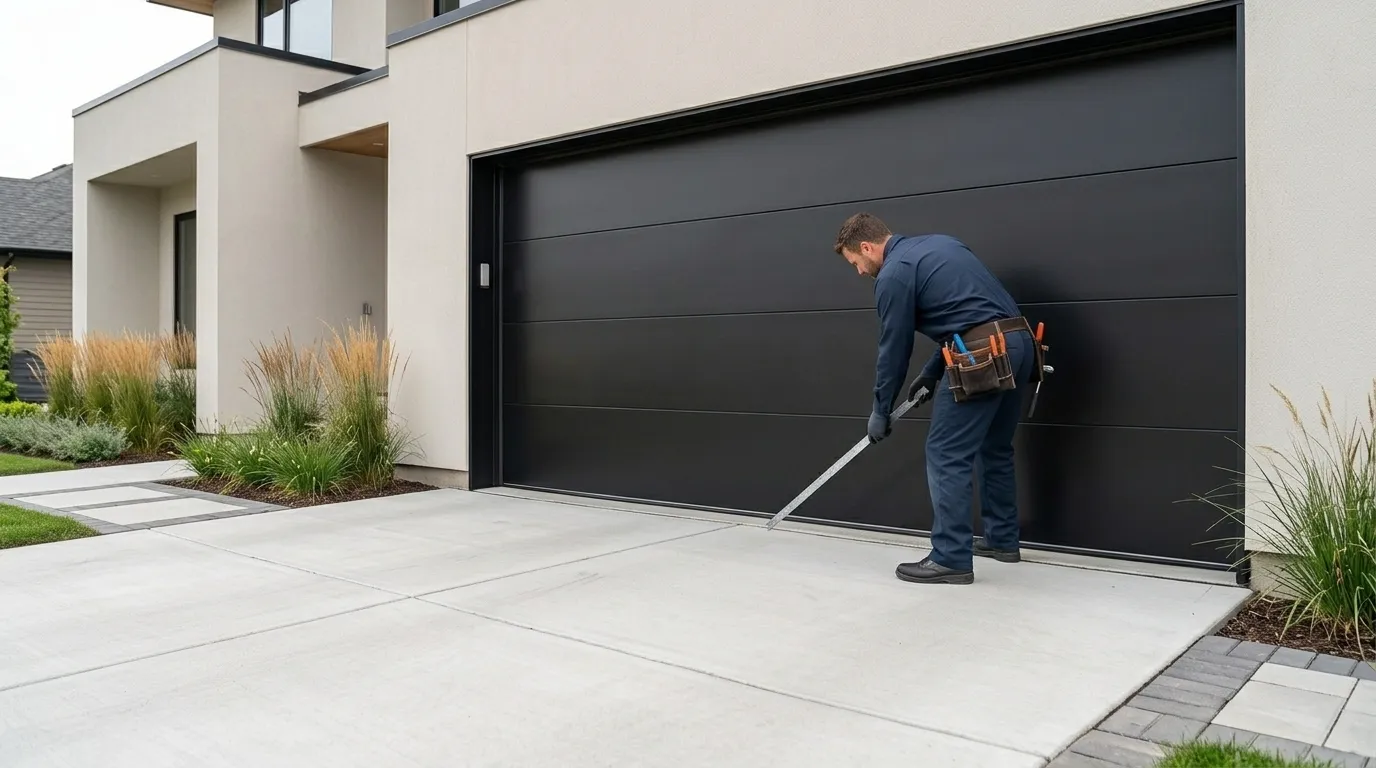
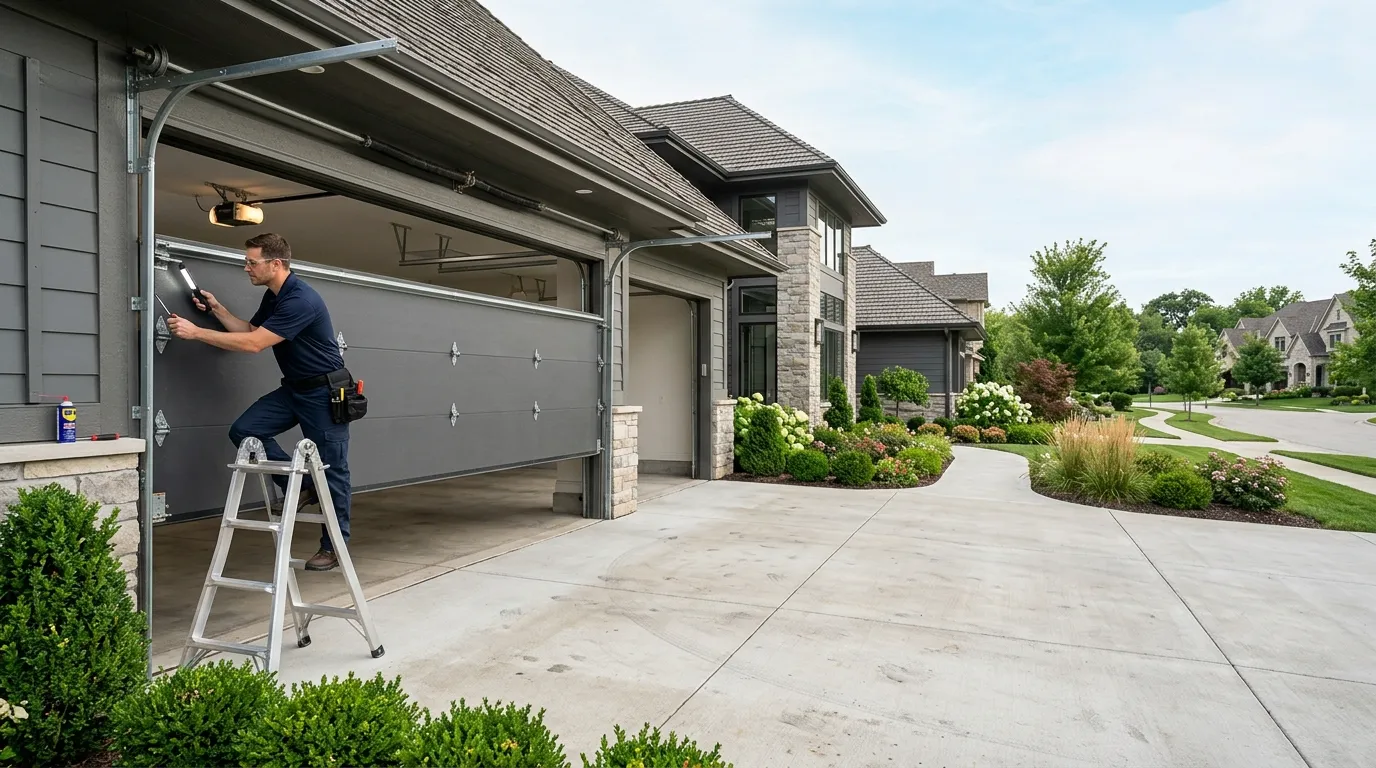
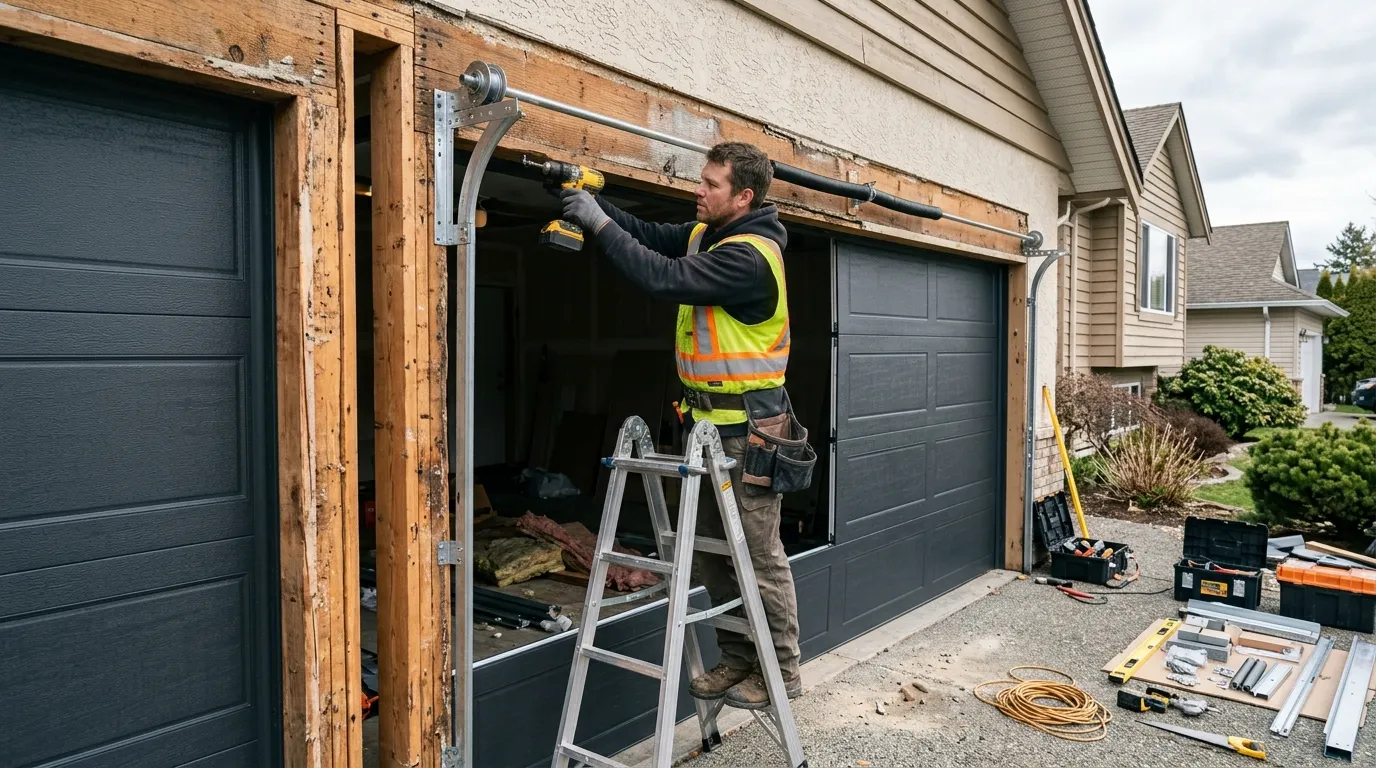
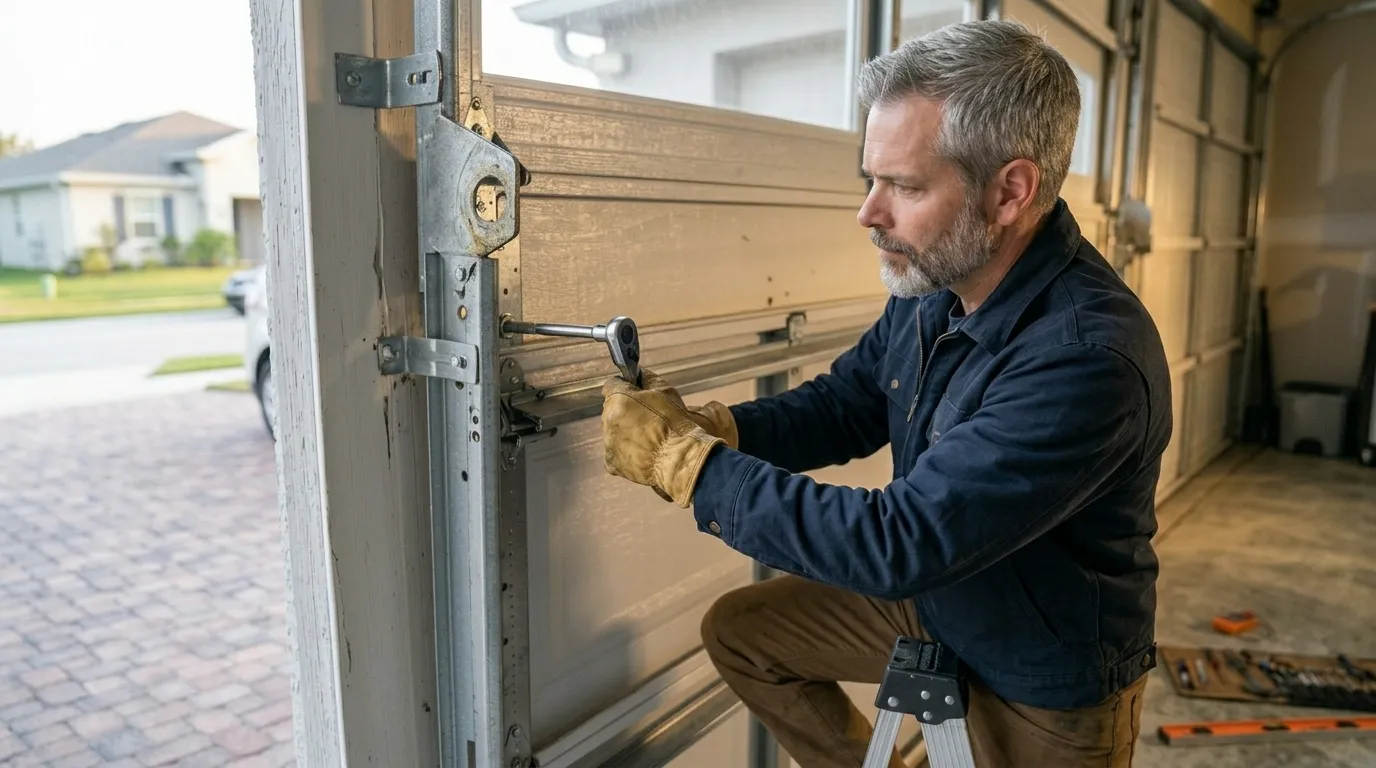
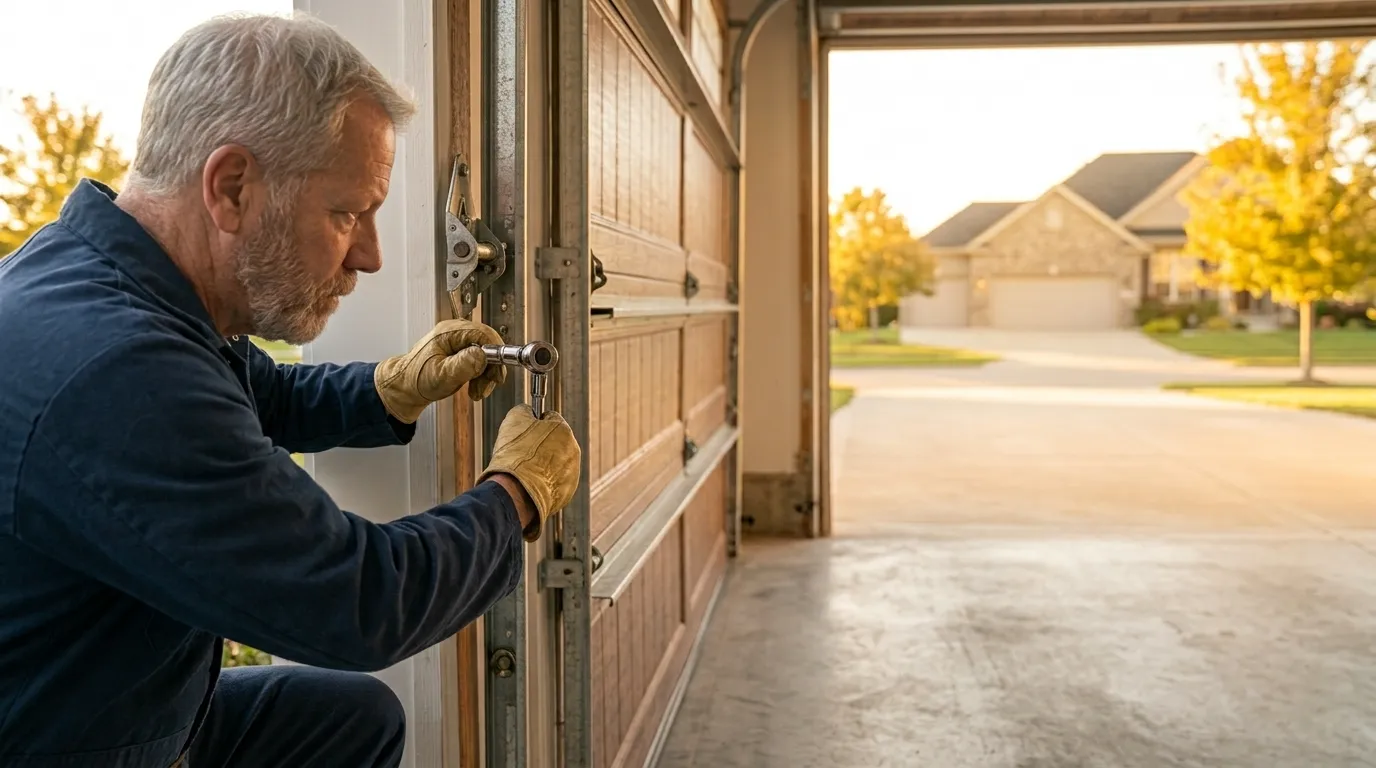
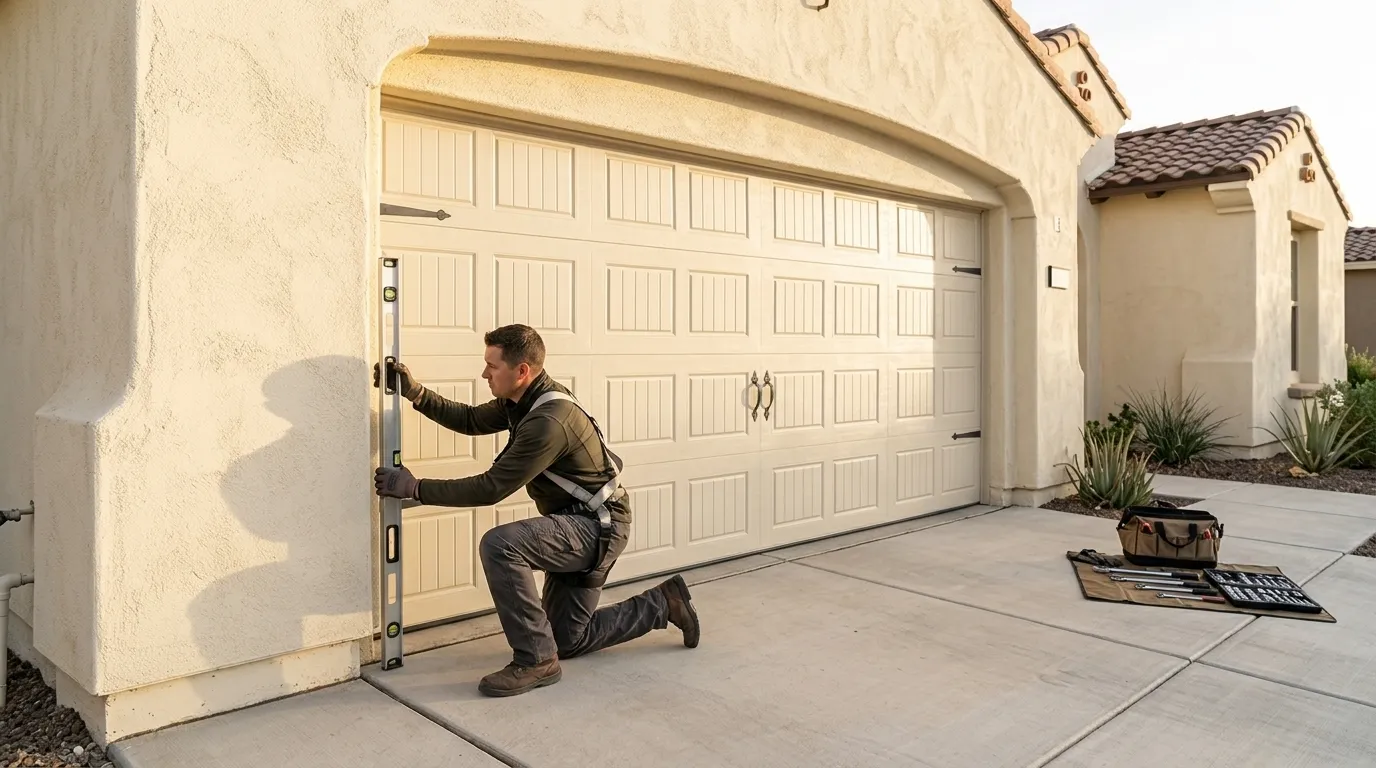
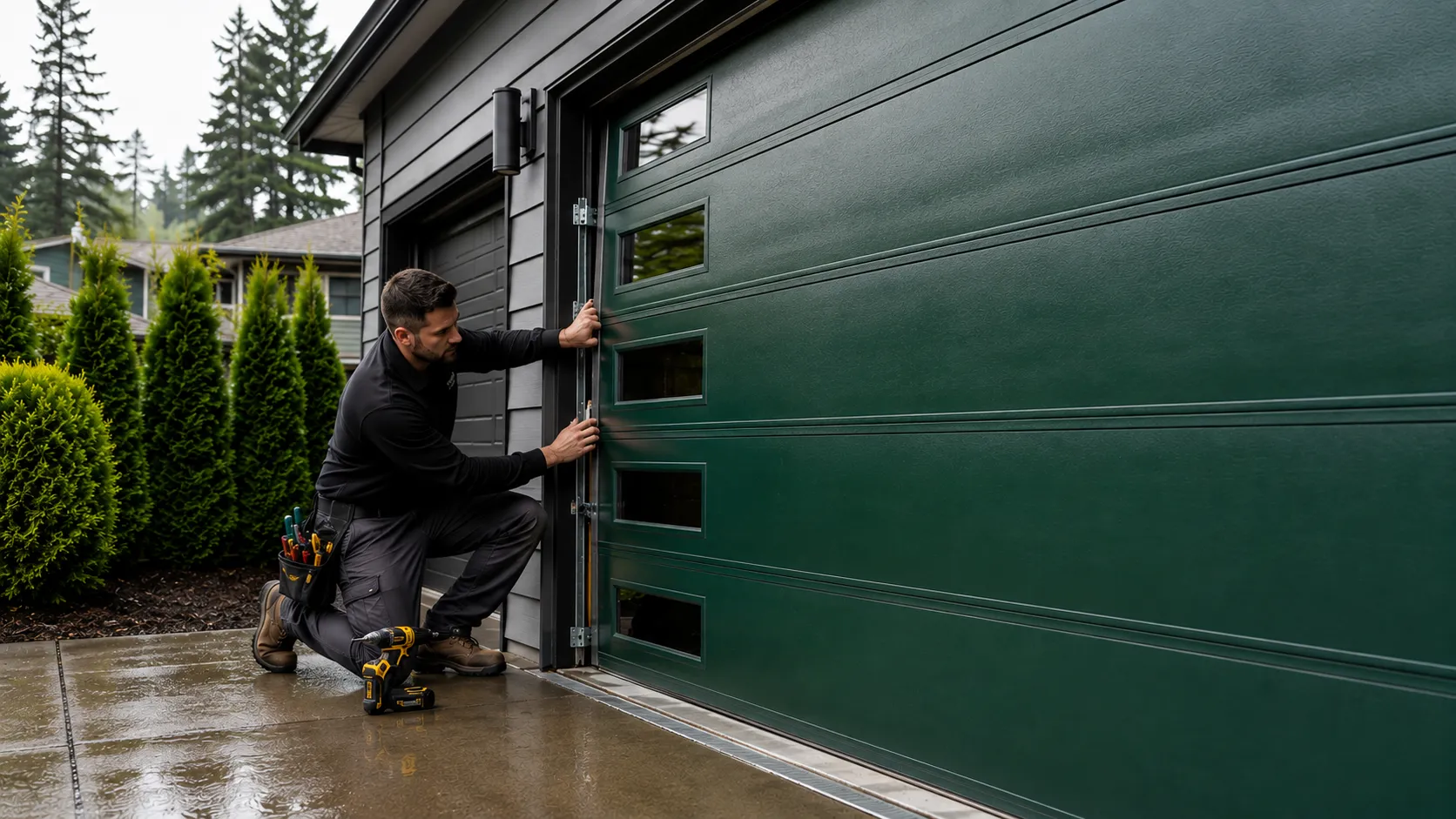
A call to Highland starts the same way any repair does - we diagnose on site, not over the phone, because a spring that sounds broken is sometimes a cable that jumped its drum. Given the age of the housing stock out here, most jobs are torsion spring replacement, opener circuit board or logic board swaps, or photo-eye sensor realignment, since those sensors are original equipment on anything built after the early '90s and they're the first thing to go out of alignment after a bump from a car bumper or a ladder. We balance the door after any spring work, which matters more on a heavier insulated steel door than on the lighter aluminum doors common in older neighborhoods. If the opener itself is the problem, we test the logic board before replacing the whole unit - a full opener swap is the last resort, not the first offer. We don't do cosmetic panel painting or custom wood refinishing; if a panel's dented but the door still runs true, we'll tell you that fixing the paint isn't worth the trip.
What Can Go Wrong
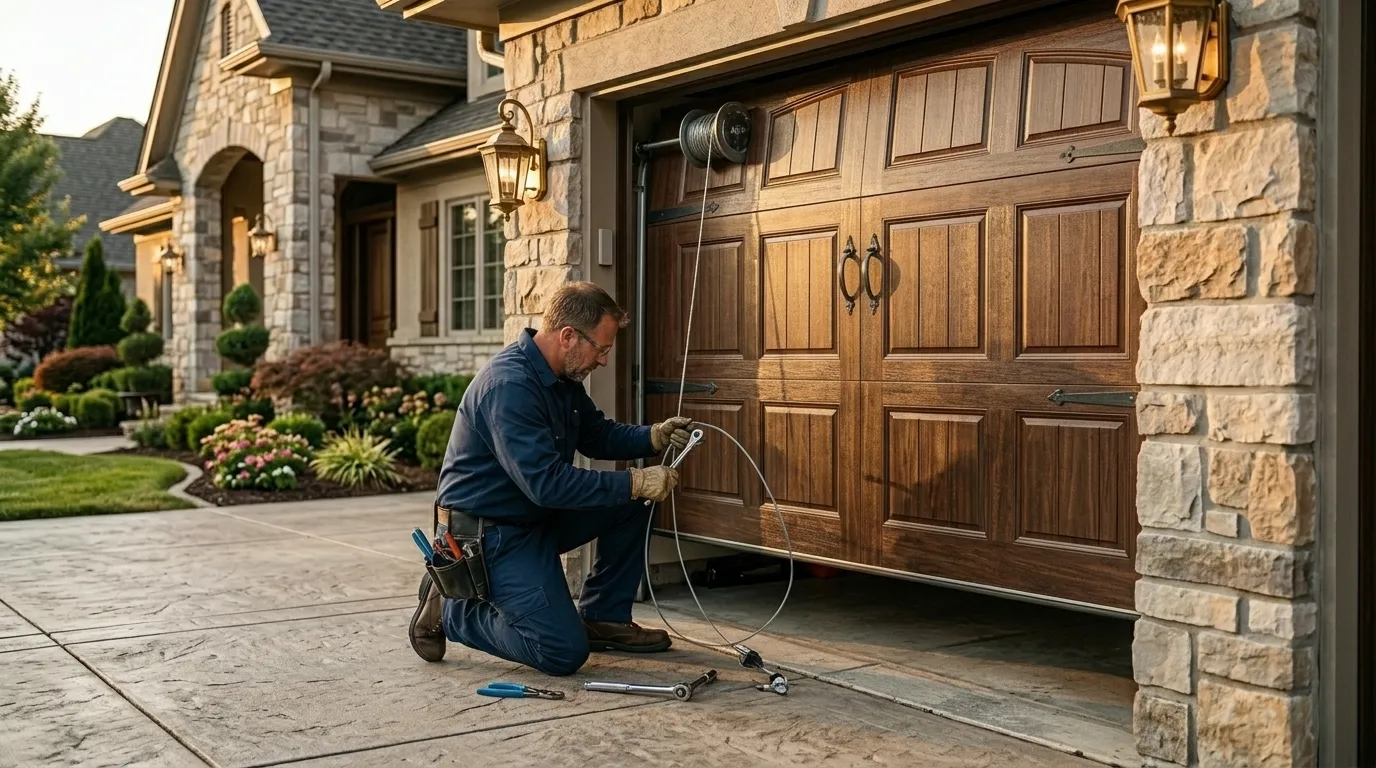
Torsion springs are the most common failure on Highland's newer stock - factory-installed springs are rated for a certain number of cycles, and a door built in the early 2000s is now old enough that the original spring is due, if it hasn't already gone. Photo-eye sensors misalign easily and throw the door into a reversing loop; on a 2004-era opener this usually means the sensor bracket, not the whole unit. Cables fray at the drum end over years of use, and on heavier insulated steel doors a frayed cable under tension is a hazard, not a nuisance. Belt-drive and chain-drive openers from this era occasionally need a logic board replacement when the remote stops syncing reliably. What we see less of here than in older neighborhoods: rotted wood jambs, warped panel doors, or the mismatched hardware you get from decades of DIY patch repairs. Newer construction means fewer structural surprises, but it doesn't mean fewer spring failures - those happen on a schedule, not because of age of the house.
How It Shows Up
A Highland homeowner usually notices the door first - it won't open past a foot or two, or it slams down instead of lowering smoothly, which almost always means a broken torsion spring on a door heavy enough that the opener can't lift it alone. Sometimes it's the opener light blinking and the door refusing to close, which points to a photo-eye sensor knocked out of alignment rather than a spring problem. On belt-drive openers common in this newer construction, a grinding or slipping sound during operation usually means the belt itself is stretched or the drive gear is worn, not a spring issue at all. With around 4,787 households in Highland, the town is a fraction of the size of the areas we cover closer to Orem, so a broken spring here is one job on the truck's route rather than one of a dozen that day. If your door reverses right after touching the floor, check the sensors before calling - half the time that's a five-minute fix, not a truck roll.
Booking a Visit
Highland sits ten miles from our Orem shop, which is enough distance that we build the trip into the appointment window rather than treat it as an add-on stop between closer jobs. When you call, tell us what the door is doing - won't open, won't close, makes noise, opener light blinking - and whether it's a single or double door, since that changes which spring and cable size goes on the truck before we ever leave the shop. We don't quote a price over the phone without seeing the door; a broken spring diagnosis by phone is a guess, and guesses on garage door hardware get expensive fast. See our full service area for the towns we cover on this route, or check our main repair page for the full list of what we handle out of Orem.