How We Fix It
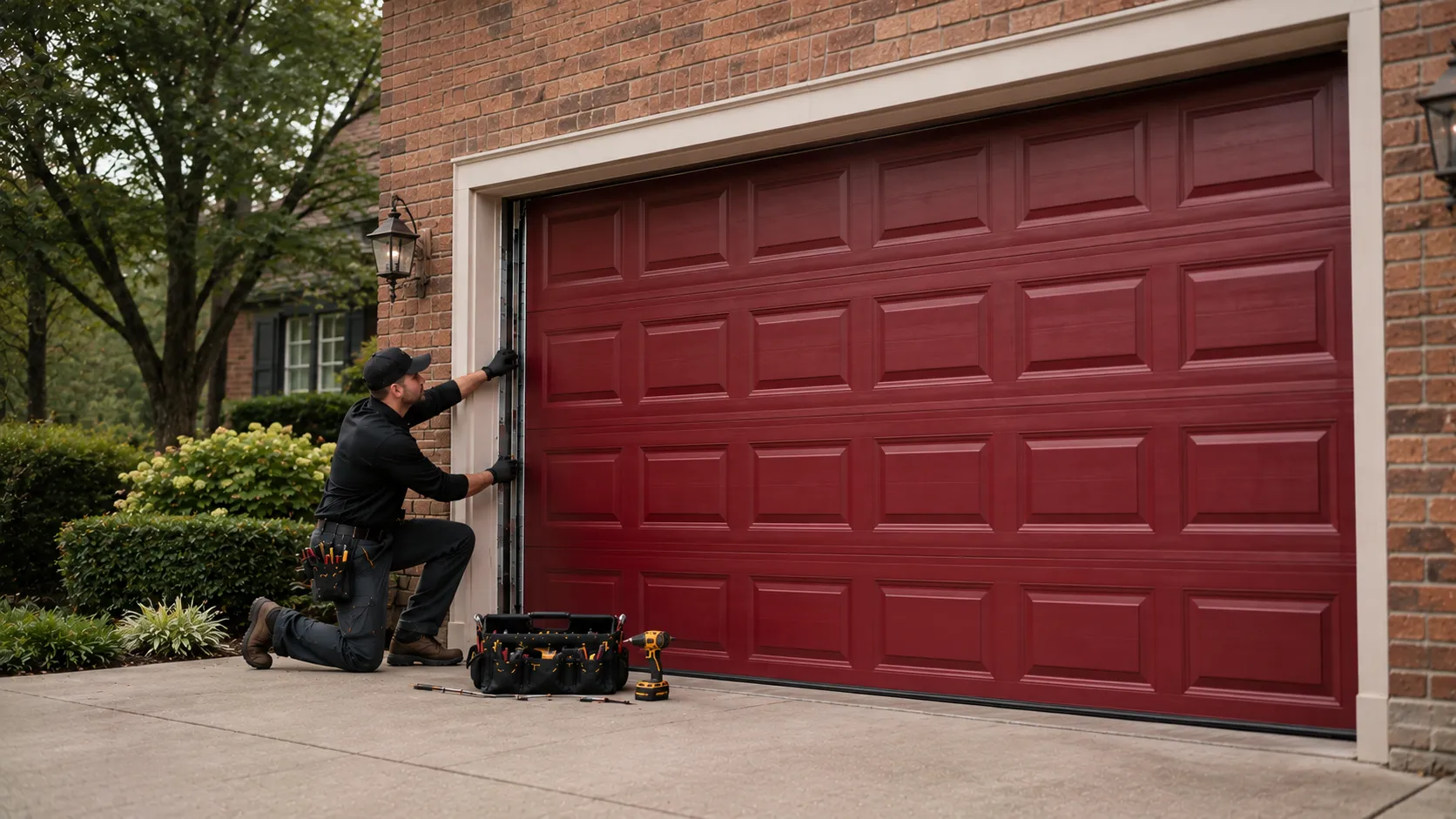
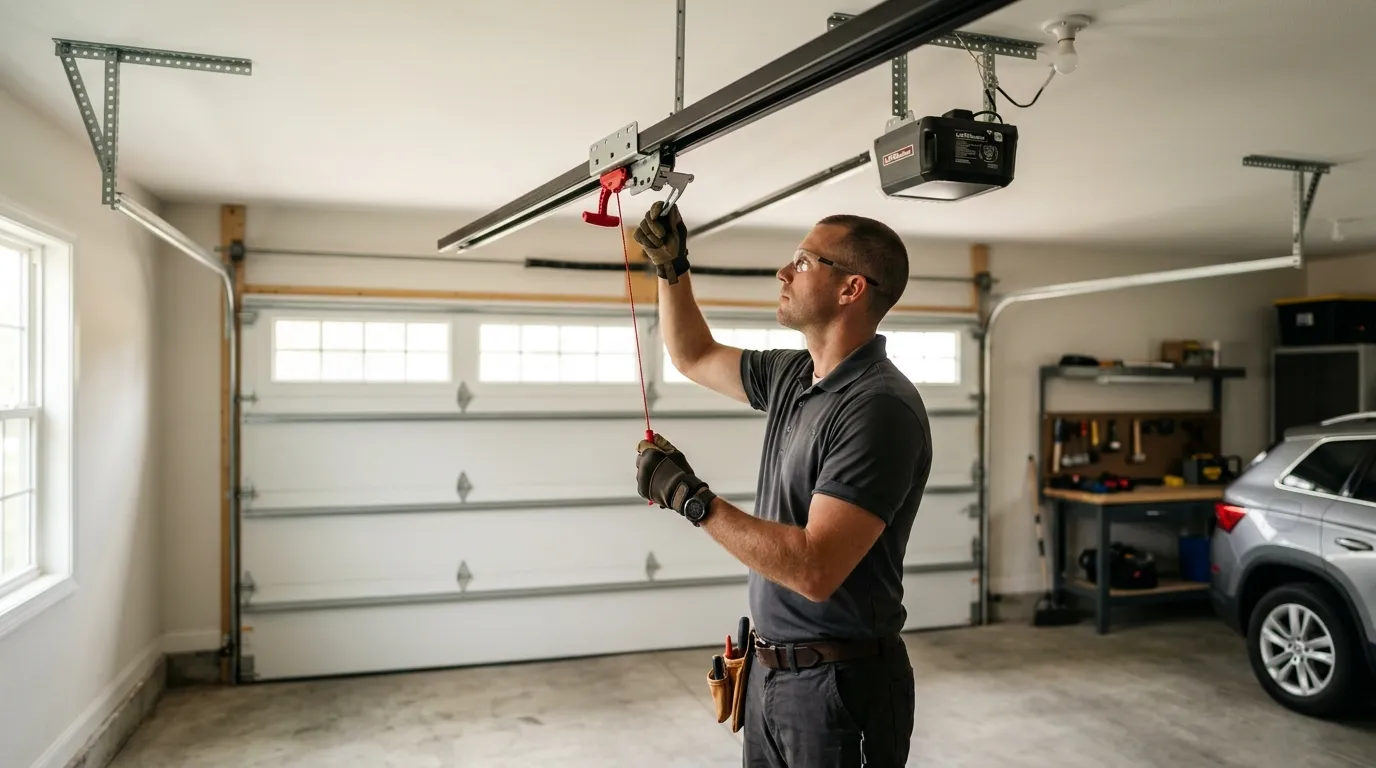
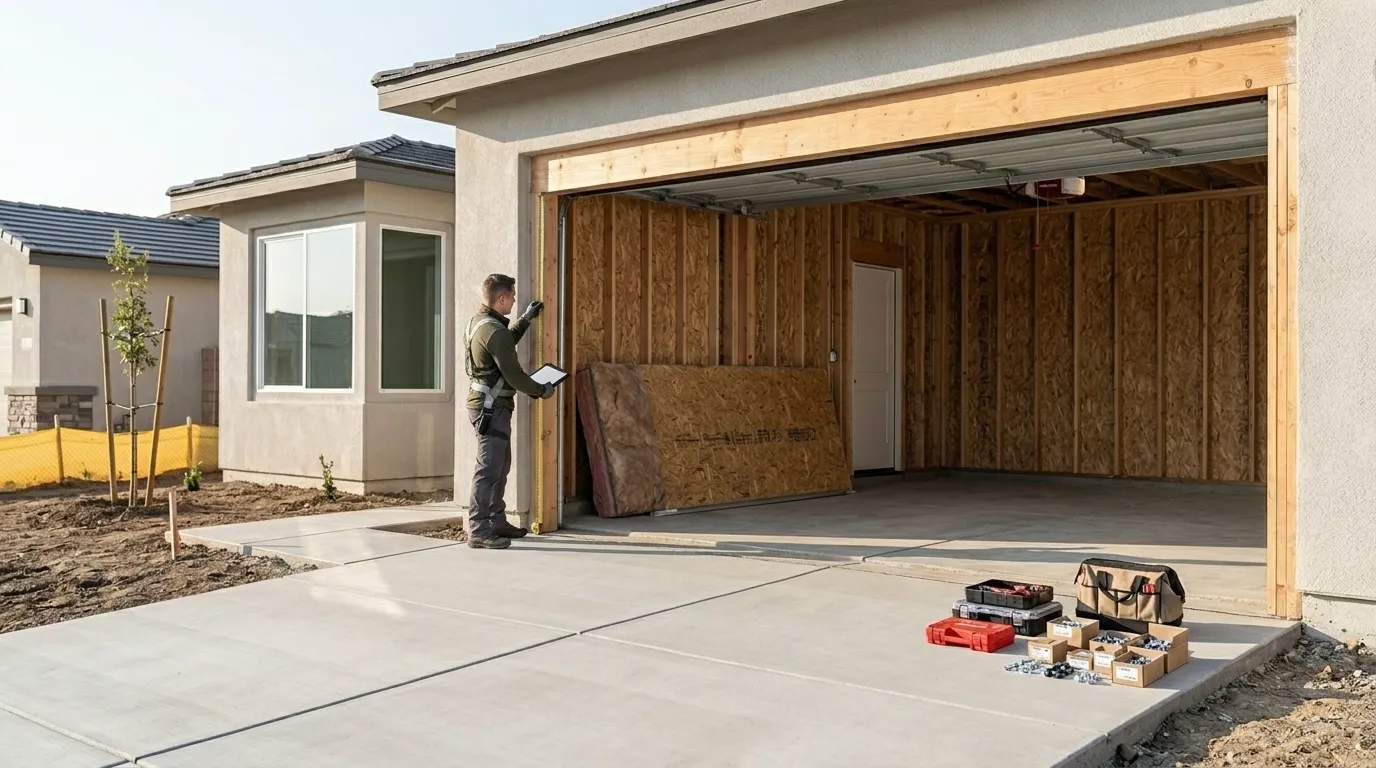
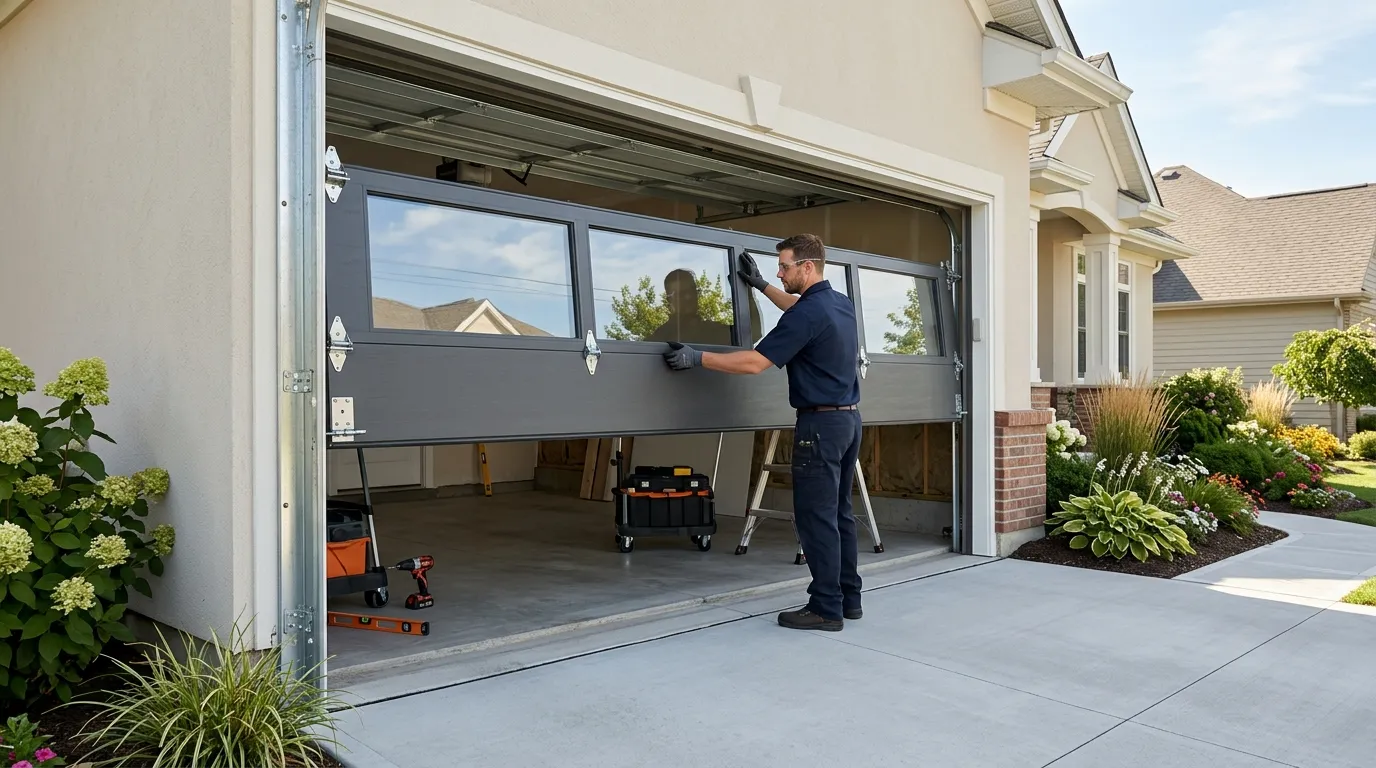
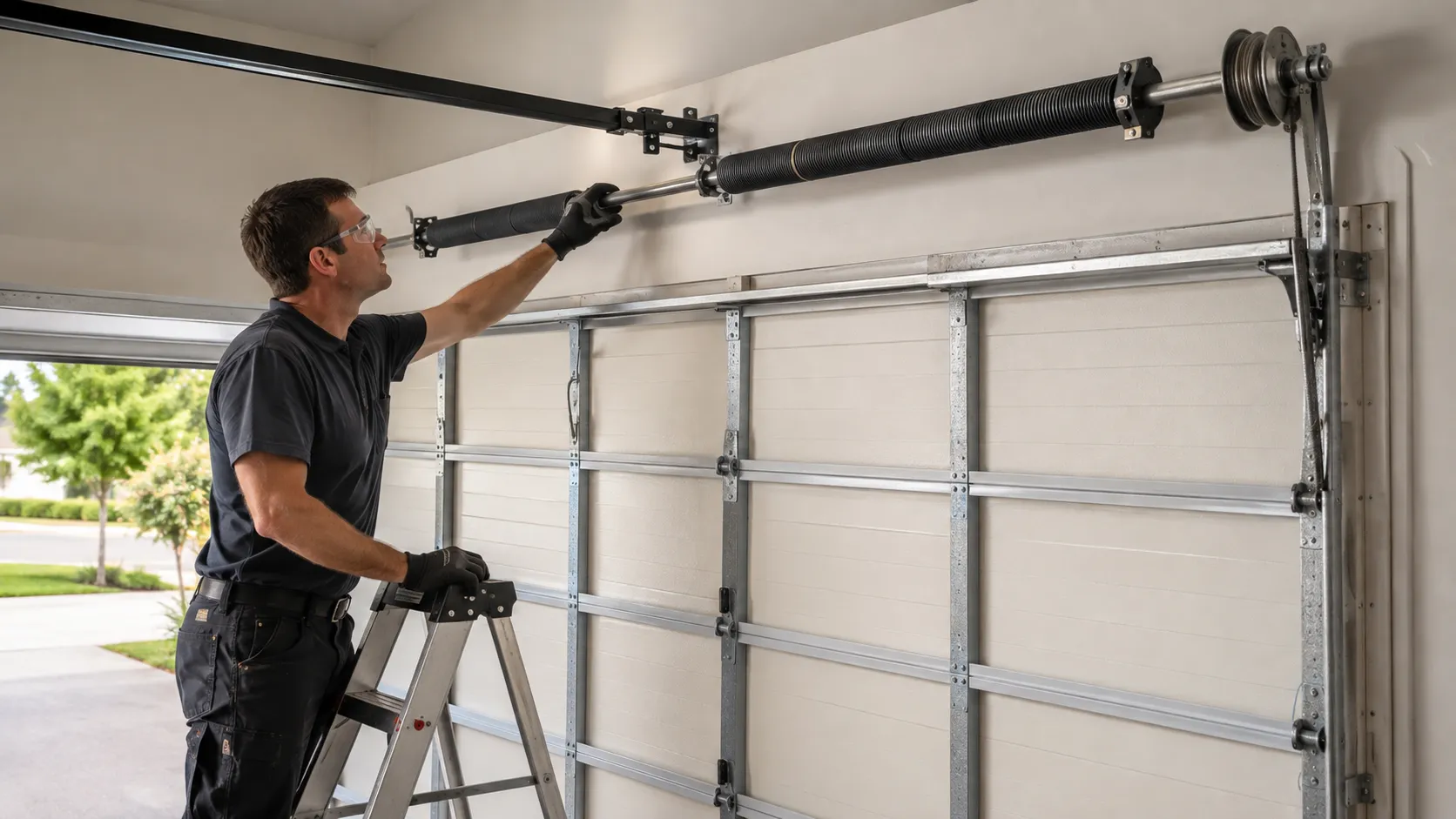
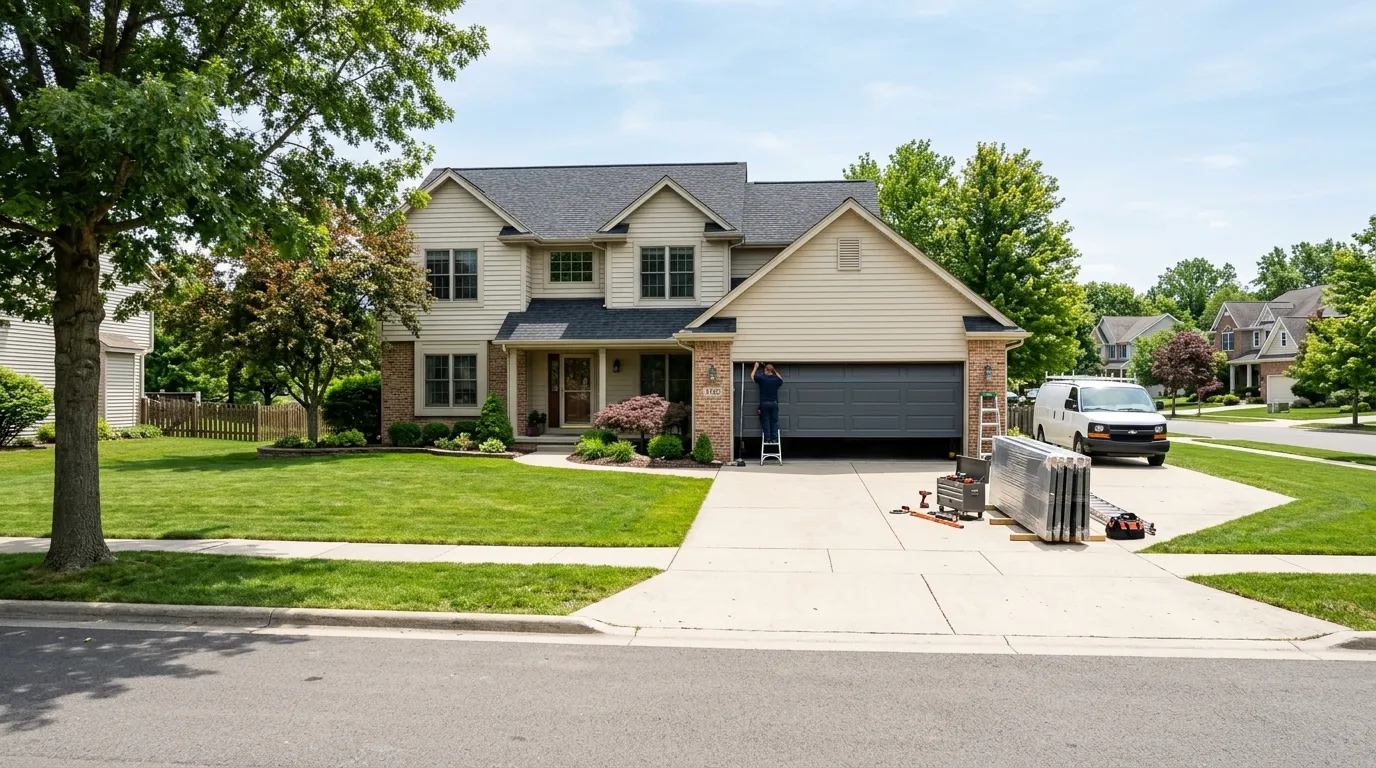
Installation starts with measuring the actual opening, not trusting the door that's already there - homes built around 2004 in Highland were framed to fairly consistent code specs, so most jobs use standard track and jamb hardware without custom brackets. We pull the old door and torsion assembly, check the header for square, then set new track, springs sized to the new door's weight, and the door itself, section by section. The opener gets reused if it's still under the lift capacity the new door needs, or swapped if it isn't - we won't sell you a new opener just because the door is new. Balance and force settings get checked before we call it done, since an unbalanced door wears out its springs early no matter how new they are. Most single-day jobs run start to finish in one visit, though wide double doors on tall openings sometimes need a second set of hands for the last hour of alignment. We don't do same-day emergency swaps out to Highland; every visit is scheduled from the Orem shop, which is about 10 miles in.
What Can Go Wrong
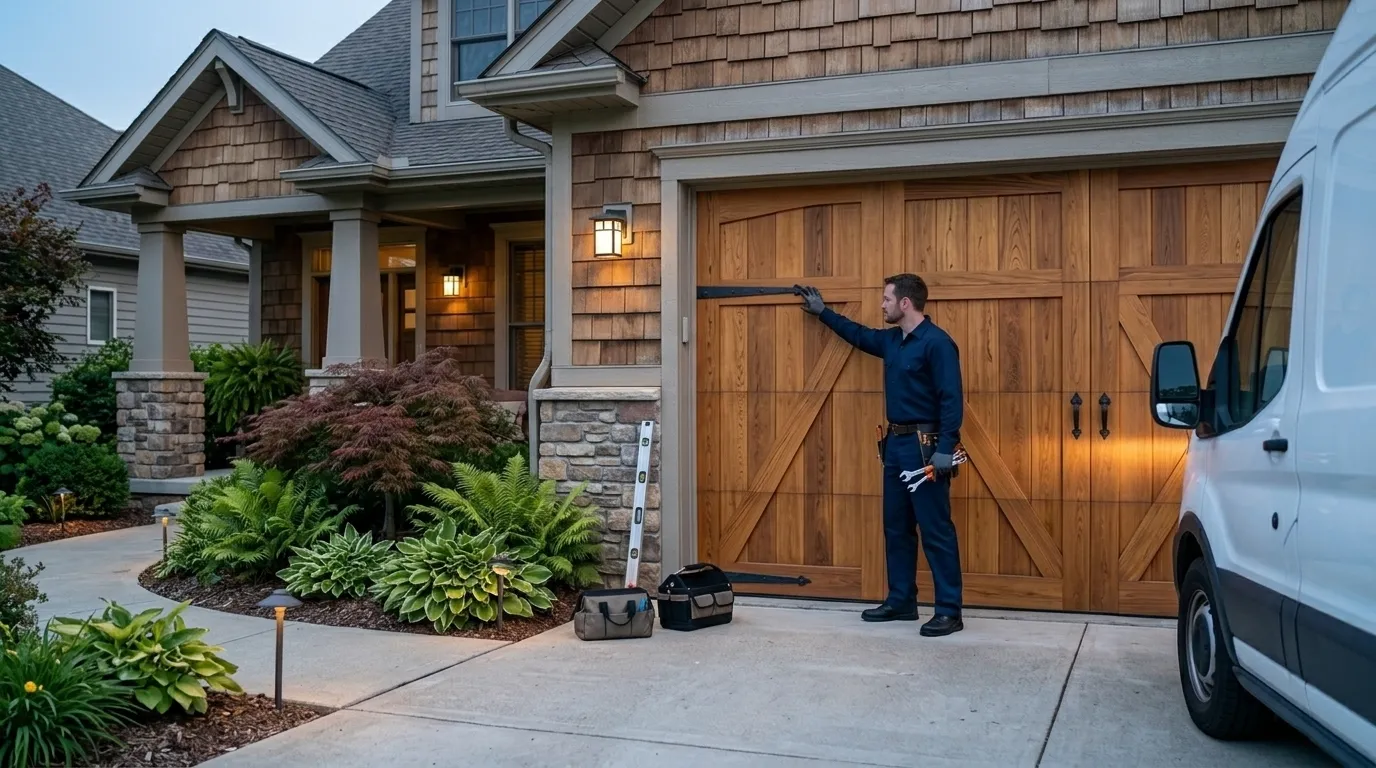
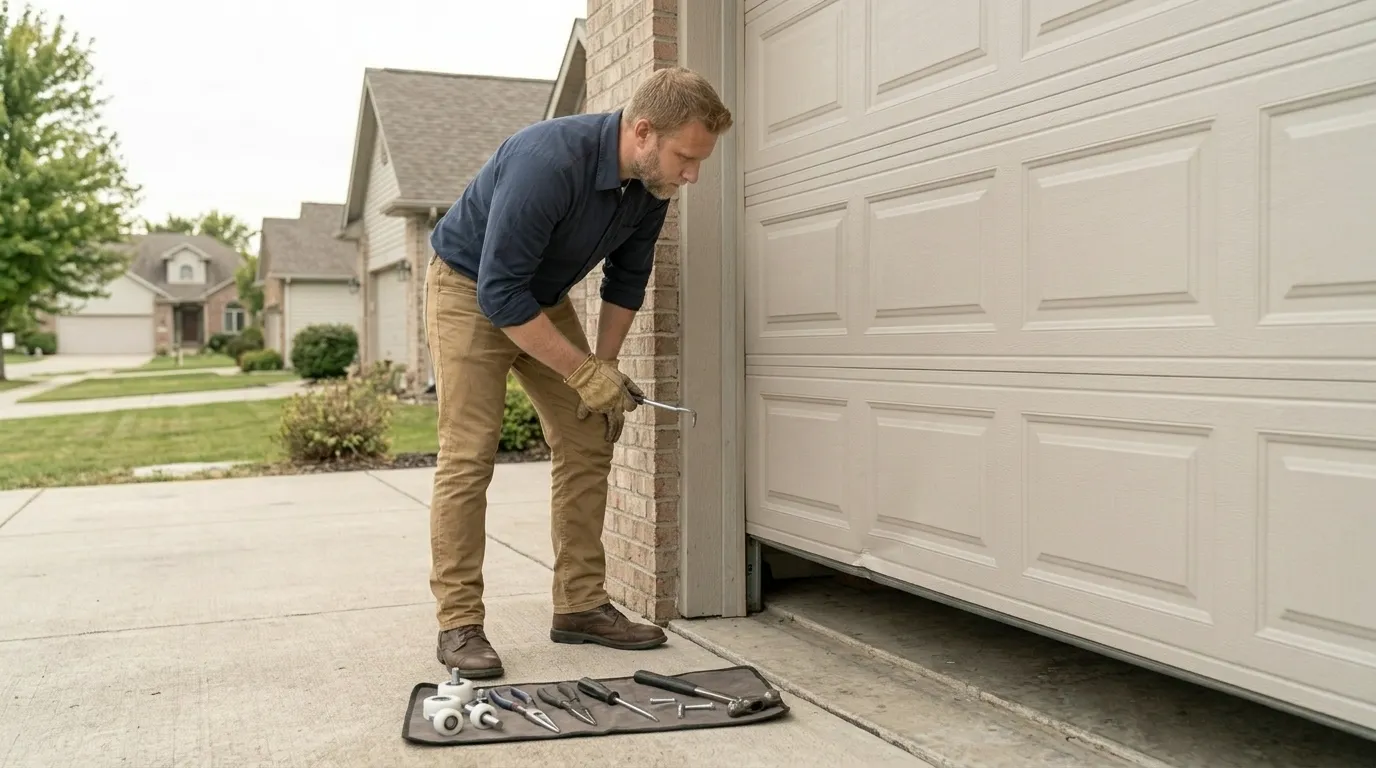
The most common installation mistake we see corrected in Highland is a door ordered to the rough opening instead of the finished opening - a half-inch gap either way throws off weatherstripping and lets cold air in around the edges. Torsion spring sizing is the other one: a spring rated for the old lightweight builder door will wear out fast under a heavier insulated replacement, so we size to the new door's actual weight, not the old one's. Track alignment on wider double doors needs more care than a single door - if the vertical tracks aren't plumb on both sides, the door binds on one roller and wears it out early. We also see openers mounted with travel limits set for the old door's height, which either stresses the new door's top panel or leaves it not fully seating. None of this is exotic; it's just easy to get wrong if the door isn't measured and balanced against the specific opening rather than swapped in as a like-for-like part.
How It Shows Up
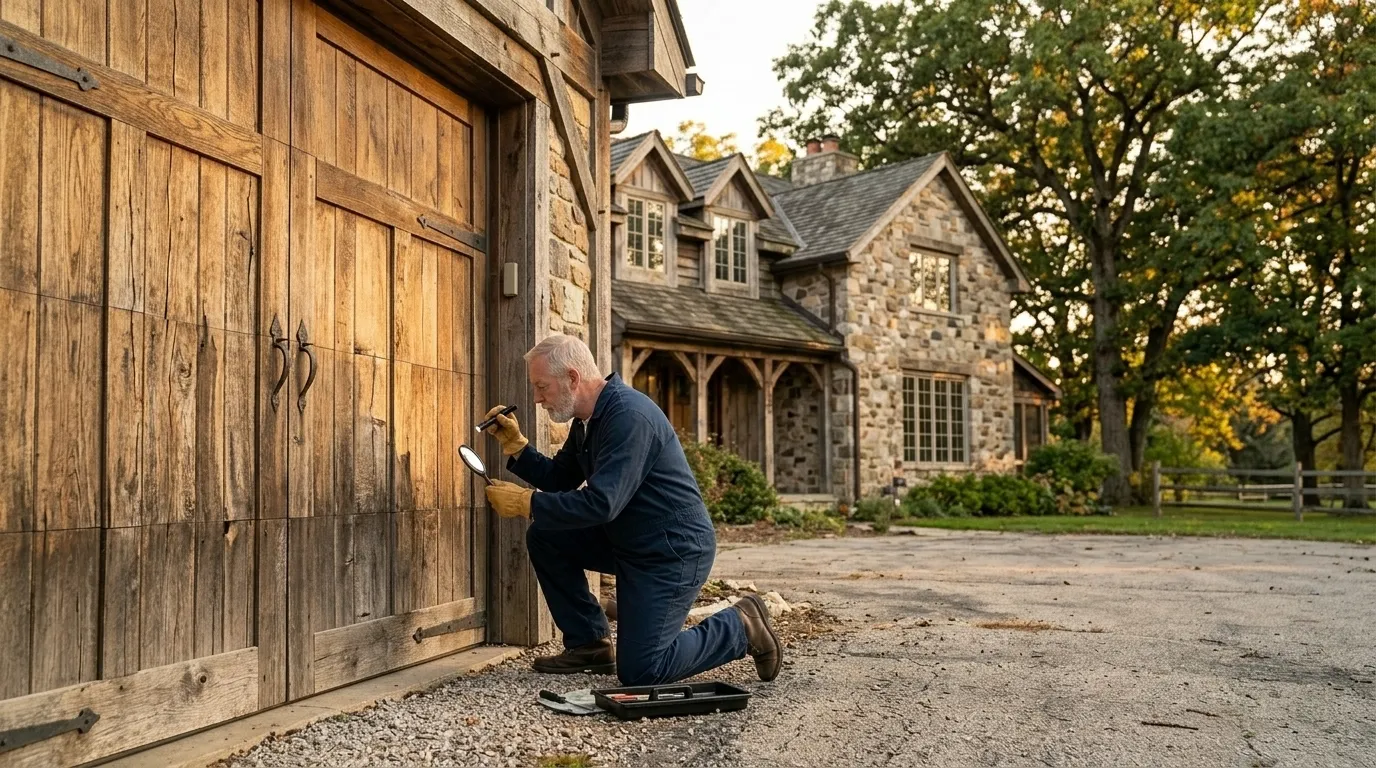
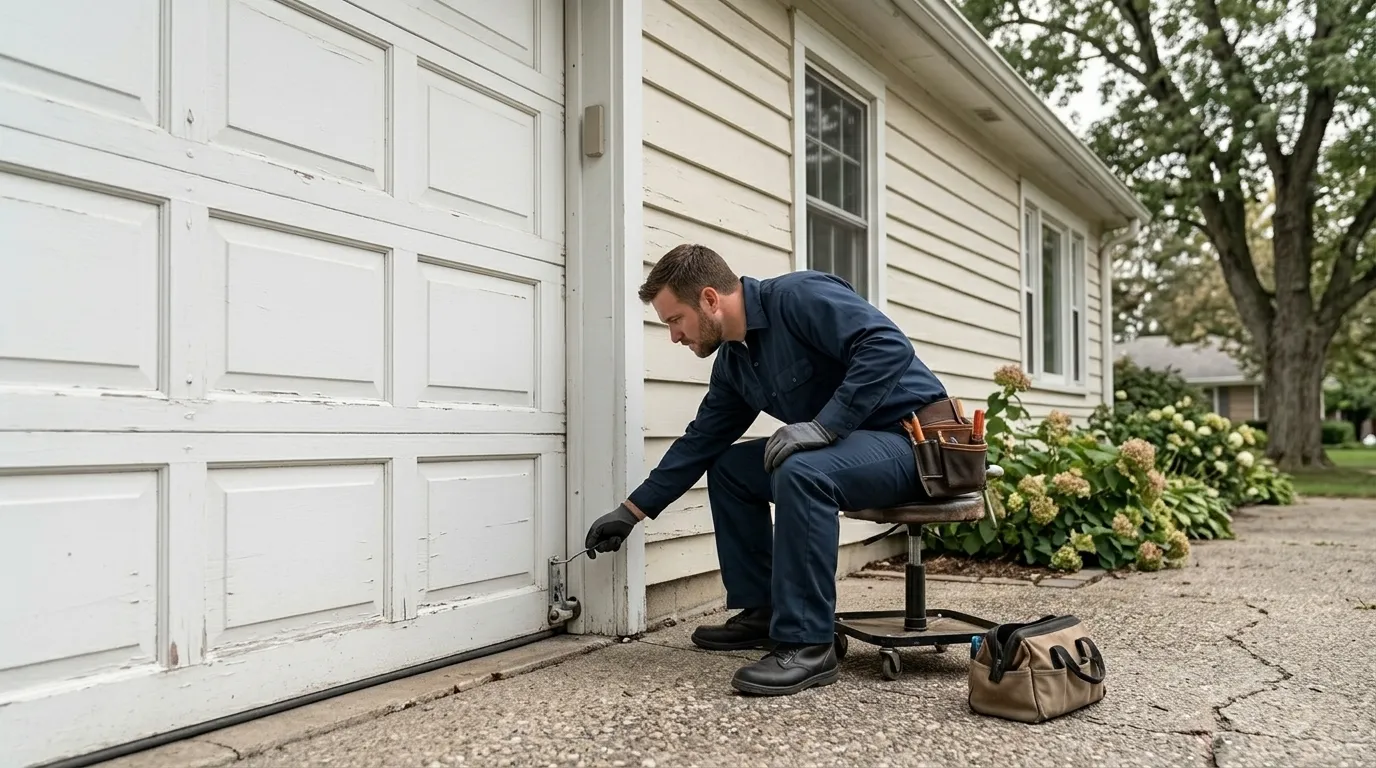
It usually starts small: a door that used to lift quietly now groans partway up, or one bottom corner sits a little lower than the other when it's closed. On a 20-year-old builder door, that's the foam core starting to separate from the steel skin, and it only gets more visible - dents that used to pop back out stay dented, and the bottom seal stops sitting flat against the slab. In a cold-climate service area, an early sign is often the garage itself feeling colder than it used to, even with the same thermostat setting, because the panel's insulating value has dropped without any obvious damage. Homeowners in Highland tend to catch it earlier than in older parts of the service area, since a $178,662 median income household is more likely to notice a slightly higher heating bill and go looking for the cause instead of living with it. By the time a spring actually snaps, most people we see out here already knew the door was on borrowed time.
Booking a Visit
We schedule Highland installations out of the Orem shop, about 10 miles away, so a visit gets booked rather than dispatched same-day. Tell us the door's rough dimensions and roughly how old the house is when you call - for a 2004-era Highland build, that's usually enough to bring the right spring sizes on the truck the first trip. If you want a look at what we cover beyond installation in this town, the Highland service area page has that. For anyone comparing this against the base install service, /garage-door-installation-orem-ut covers the general specs and process we work from before we adjust for a specific town's housing stock.