A garage door makes noise for a reason, and in a house built between 1977 and 2015 - which is most of Orem, including the stretch through Orem Park, Bonneville, Lakeview, and River Bottoms - that reason is usually age catching up with hardware that's been running for two, three, four decades without ever being looked at. If the noise is a single loud bang followed by the door refusing to open, stop. That's very likely a torsion spring that's let go, and the door is now unbalanced and dangerous to hand-crank or force. If it's a grinding or grating sound that gets worse each time you use the door, don't wait it out - that's metal wearing on metal, usually a roller or bearing, and it turns into a bigger repair the longer it runs. A squeak that's stayed the same for months is a lower priority; a sound that's changing week to week is not. Call before the door fails you on a morning you need it, not after.
What Local Conditions Do
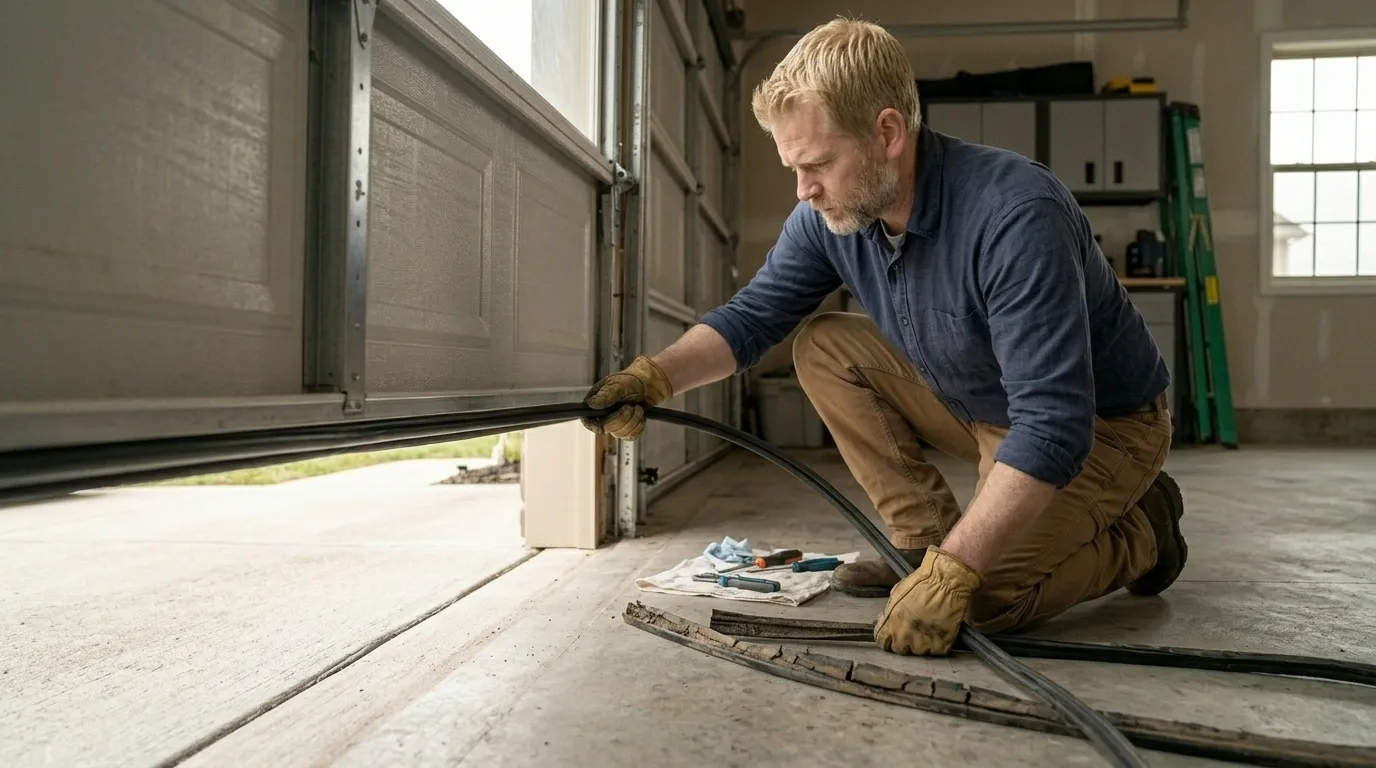
Orem sits in a cold-moderate climate band, and that matters for a door more than most owners think. Steel contracts in cold and expands in heat, and every winter the track alignment, the weatherseal, and the spring tension all shift slightly with the temperature swing. A door that ran quiet in August can start groaning in January simply because the metal itself moved. Houses built in the 1980s and 90s stock that makes up most of this area typically have galvanized track and springs sized for the door as it was new - thirty-plus years of seasonal expansion and contraction later, hardware that was fine has often loosened at the mounting brackets or lost some of its factory lubrication. That's not a defect, it's just what cold-climate cycling does to a door nobody's serviced. The noise you hear in a Utah winter is frequently the same noise that would be silent in July, which is why a sound that only shows up seasonally is still worth a look, not a shrug.
What Is Going On
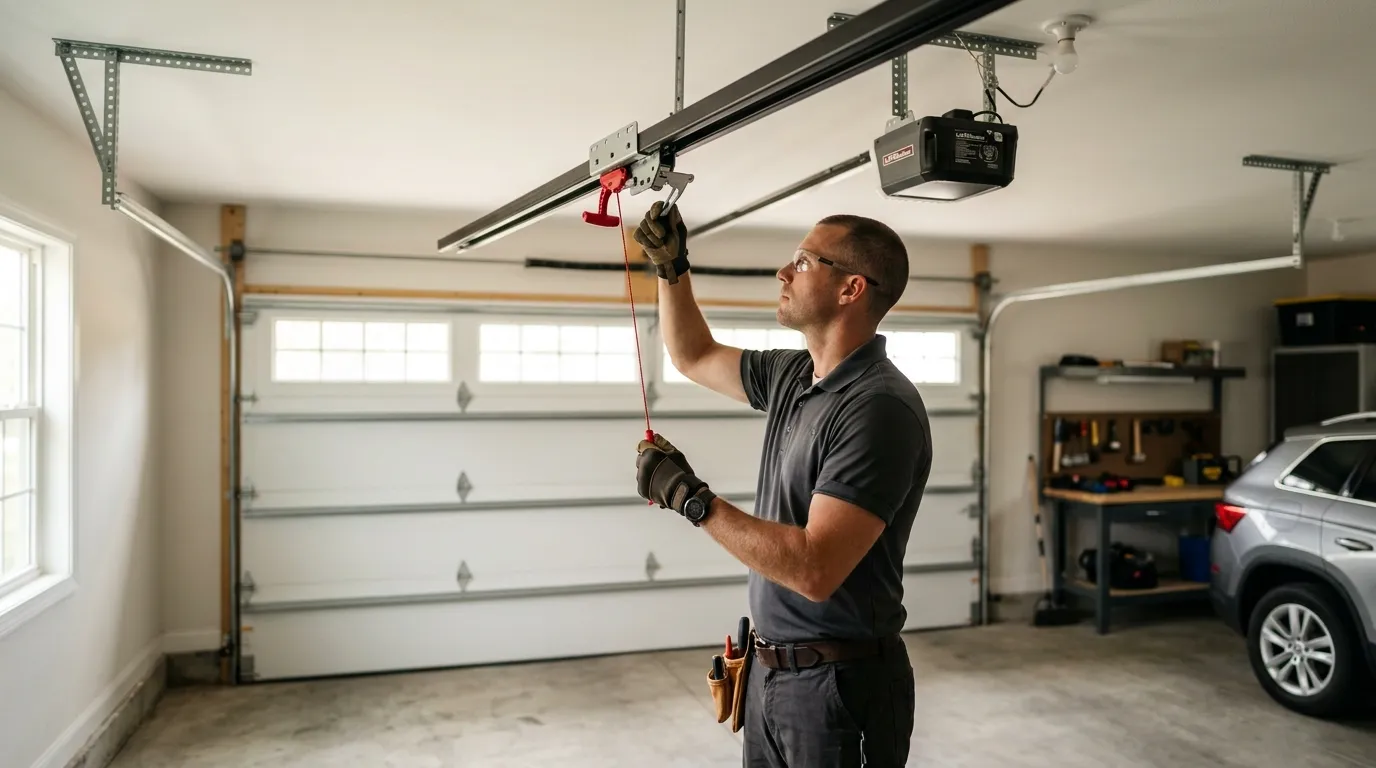
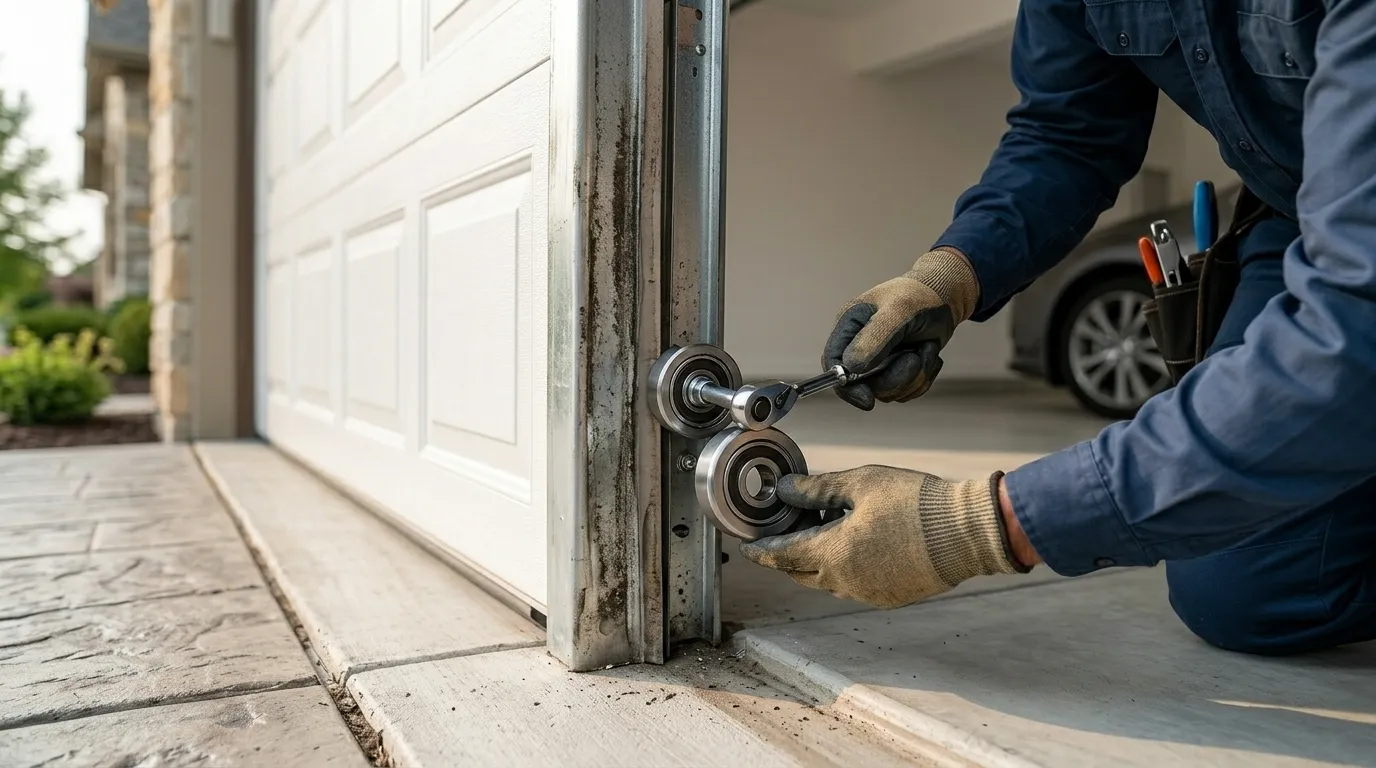
Most of the noise complaints we hear tie back to hardware dating to the original build - construction here runs 1977 to 2015 with a median around 1999, so a large share of doors and openers are original or one replacement in. A rhythmic thump as the door travels is almost always a flat spot on a roller, worn from years of turning in the same track. A high metallic squeal is usually a bearing at the end of the torsion shaft running dry. A loud pop or a door that suddenly feels heavier is spring fatigue - springs are rated for a number of cycles, and a door installed when the house was built has likely used most of that rating by now. Chain-drive openers from that era also develop a slap or rattle as the chain stretches, which is normal wear but worth tightening before it skips a tooth. None of this is unusual for a door this age. It's just the sound of parts reaching the end of their working life on schedule.
What to Look At First
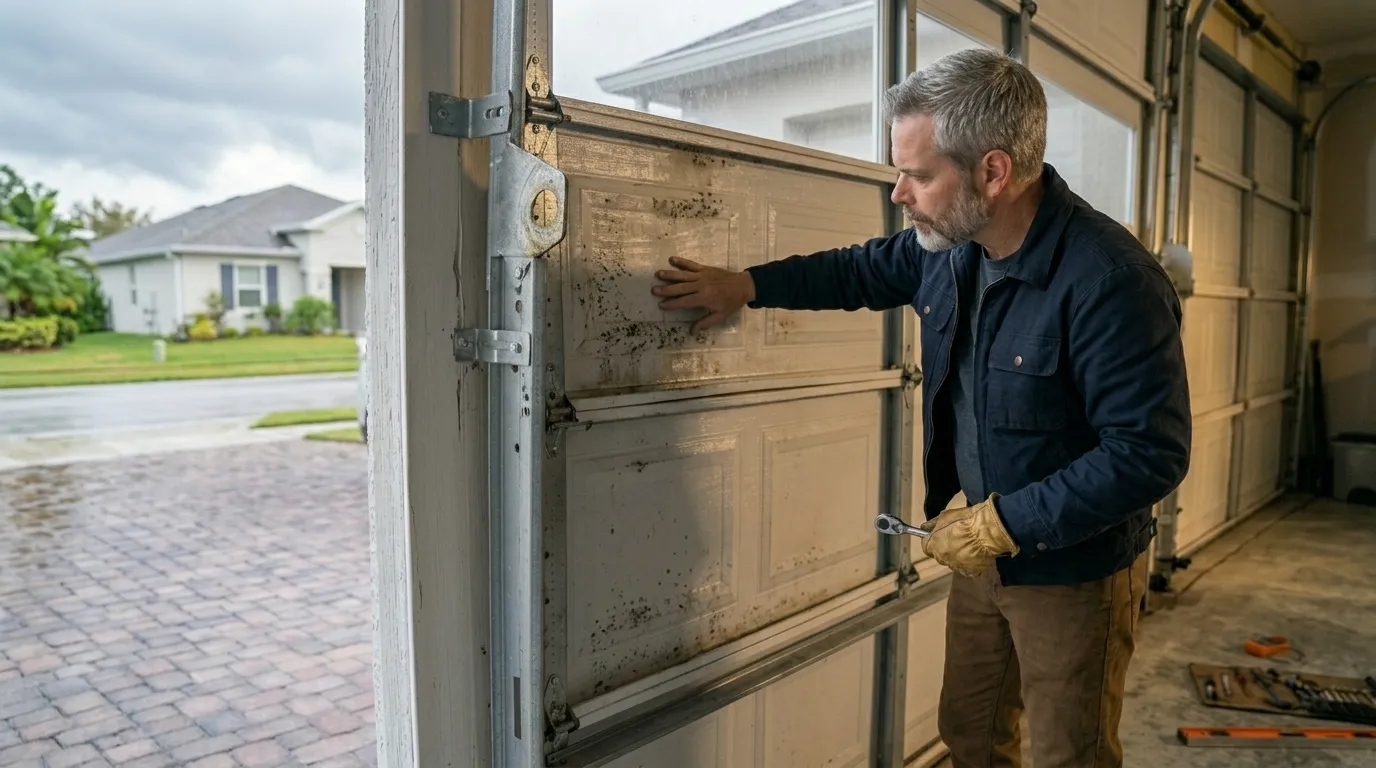
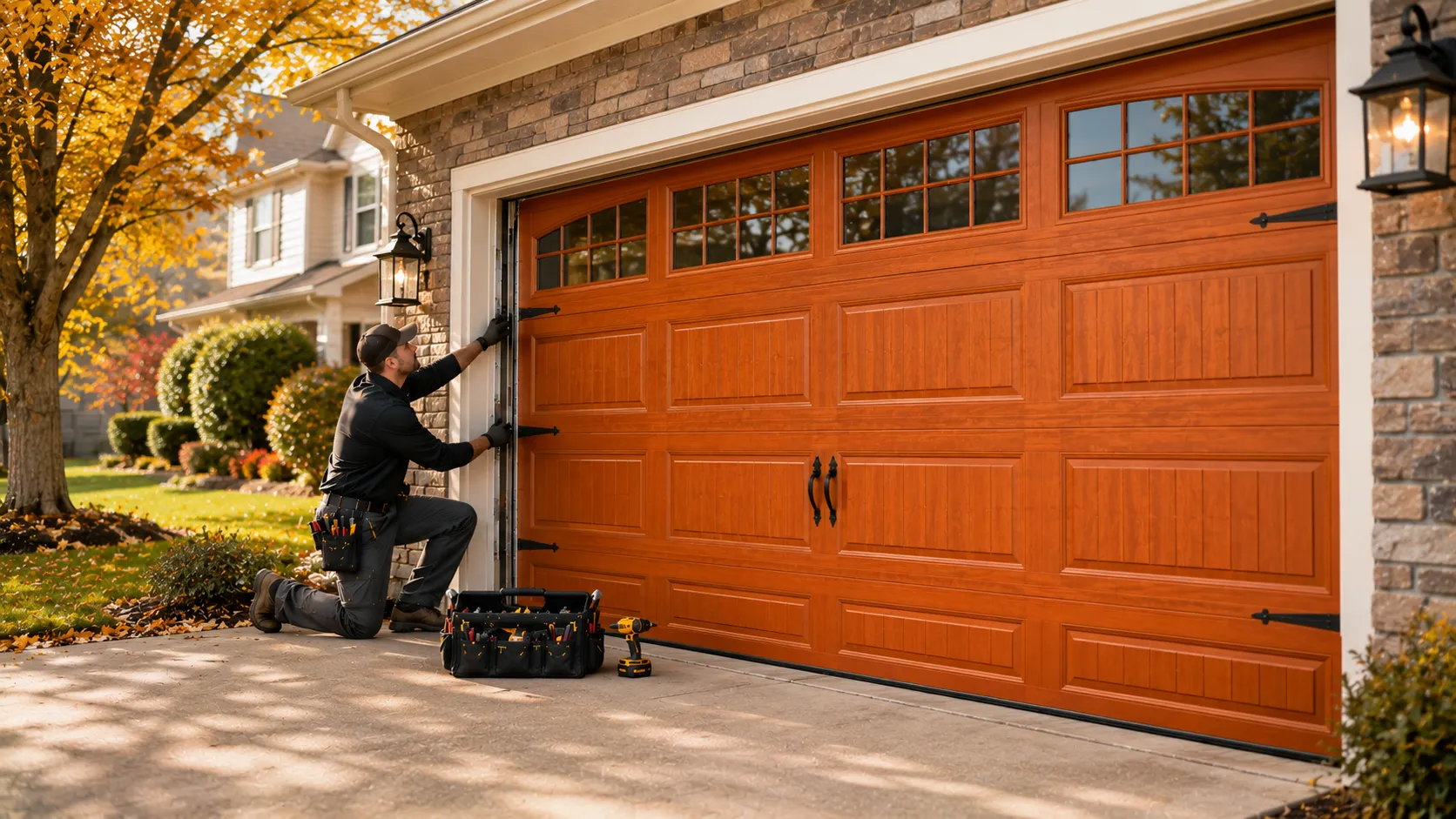
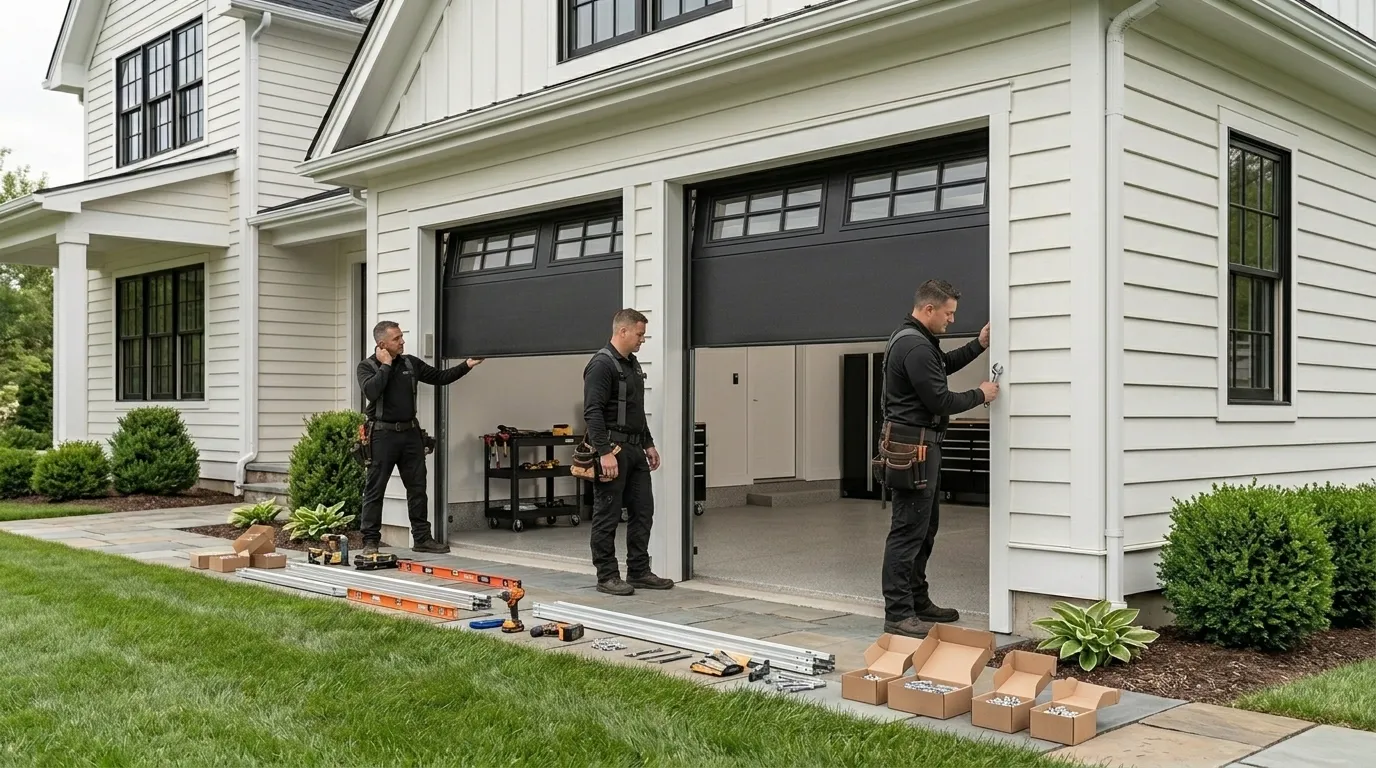
Before you call anyone, look at three things. First, the springs above the door - if one looks stretched, gapped, or visibly different from its pair, don't touch it and don't run the door; that's a two-person, right-tool job. Second, the rollers as the door moves; if you can see one wobbling or hear a distinct click every rotation, that roller is close to failing. Third, the track mounting brackets, especially near the top where the door curves onto the horizontal rail - loose bolts here show up as a rattle that sounds worse than it is, but they still need tightening before they work loose completely. One honest limitation: we can diagnose a lot over the phone from a good description of the sound, but a spring that's already partly given way needs an in-person look before we'll quote a fix, because the failure mode changes what parts are safe to touch. If the door is original to a house built in the late 90s or earlier, plan on replacement parts, not touch-ups - that hardware is past the point where patching makes sense.
How it works
From “it’s stuck” to “it’s fixed”
01
Tell us what’s wrong
Describe the symptom - won’t open, loud bang, opener runs but the door won’t move.
02
On-site diagnosis
A technician tests the door under power and by hand and finds what actually failed.
03
Clear, up-front plan
You get the fix that’s needed and what drives the cost - before any work starts.
04
Repaired & tested
The repair is done, the door is set true and tested, and the work area left clean.
Serving Orem, UT - tell us what your door’s doing and we’ll take it from there.
Straight answers about garage door repair in Orem. Still unsure? Ask us directly.
My door makes a loud bang and won't open - what happened?
That's almost certainly a torsion spring breaking. It's the most common sudden, loud failure on doors this age in Orem, and it makes the door too heavy and unbalanced to lift safely by hand or by the opener. Don't force it. Leave the door as is and call for a spring replacement rather than trying to work around it.
Why does my door only make noise in the winter?
Cold-moderate winters here cause the steel track and spring hardware to contract, which changes alignment and tension slightly. A door that's fine in summer can pick up a groan or squeal in January purely from that seasonal shift, especially if the hardware hasn't been lubricated or adjusted in years.
Is a squeaky opener chain something to worry about?
A slapping or rattling chain-drive opener usually just means the chain has stretched over years of use, common on original openers from the 1980s-90s building stock across this area. It's worth tightening before it skips off the sprocket, but it's not an emergency the way a spring failure is.
How do I know if it's a roller or a bearing making the noise?
A rhythmic thump that repeats once per rotation as the door travels is usually a flat-spotted roller. A steady high-pitched squeal, especially near the top of the track where the torsion shaft sits, points to a dry bearing. Watching the door move slowly while it's noisy will usually tell you which one it is.