When We Can Get There
Because every Eagle Mountain call is a dedicated trip from Orem, we're straightforward about timing rather than promising a number we can't back. A broken spring on a Tuesday afternoon is a different conversation than one at 5:45pm on a Friday. We'd rather tell you honestly where you land in the day's route than quote a window we know the drive doesn't support.
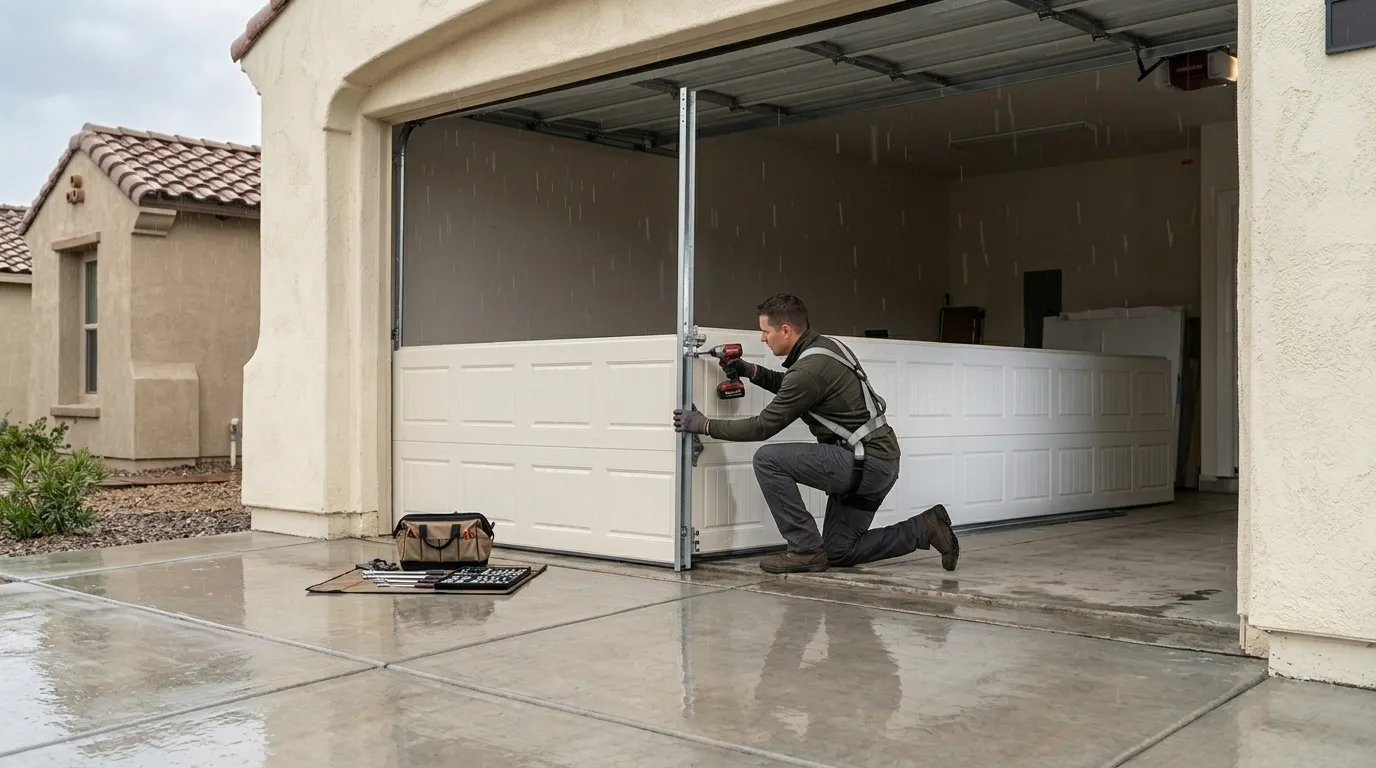
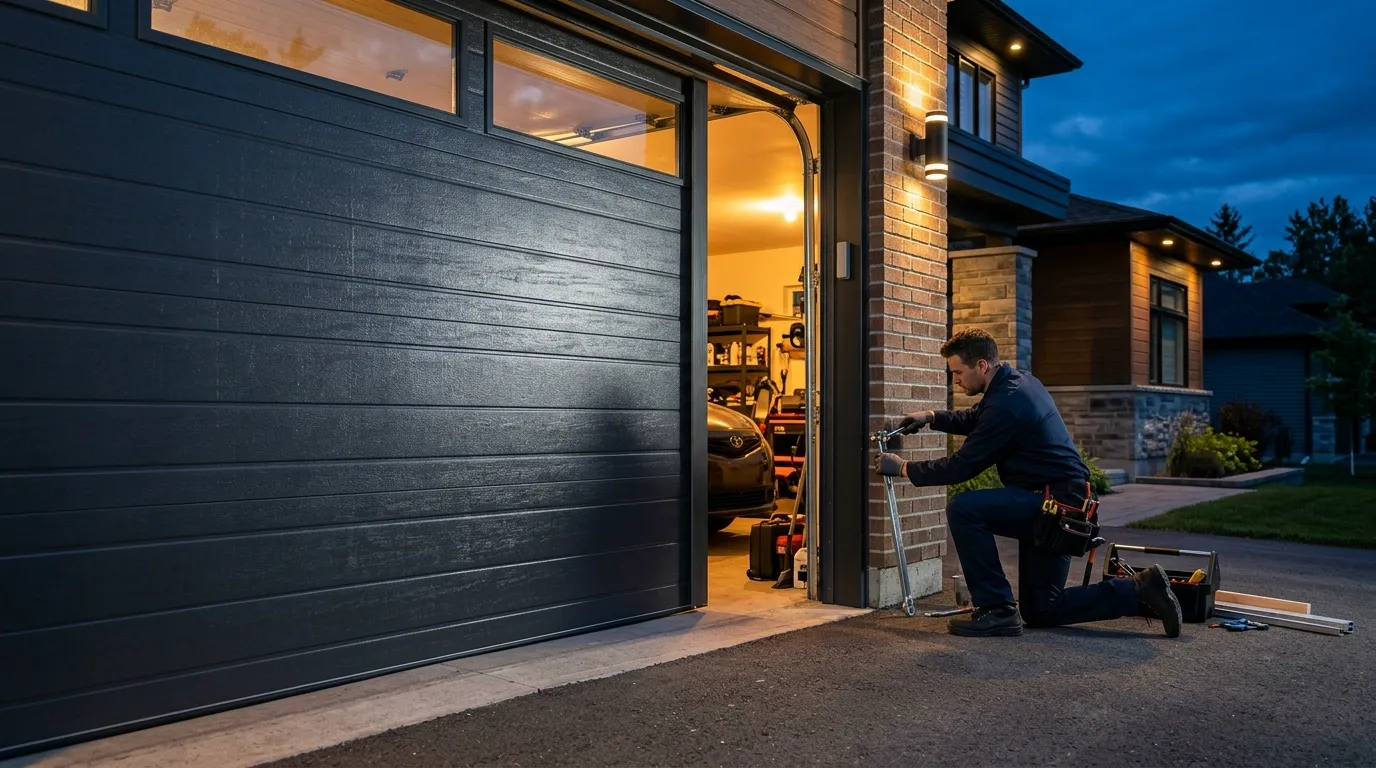
Winters here run cold, same as the rest of this stretch of the valley, and cold makes steel brittle and grease stiff - springs and cables that were already worn tend to give out on the coldest mornings, which is also when roads and scheduling get tightest. If your opener is dead or your door won't close and it's a security issue, say so when you call. We prioritize what actually can't wait, and we're upfront when a repair has to sit until the next open slot on that side of the valley.
How That Shows Up in the Door
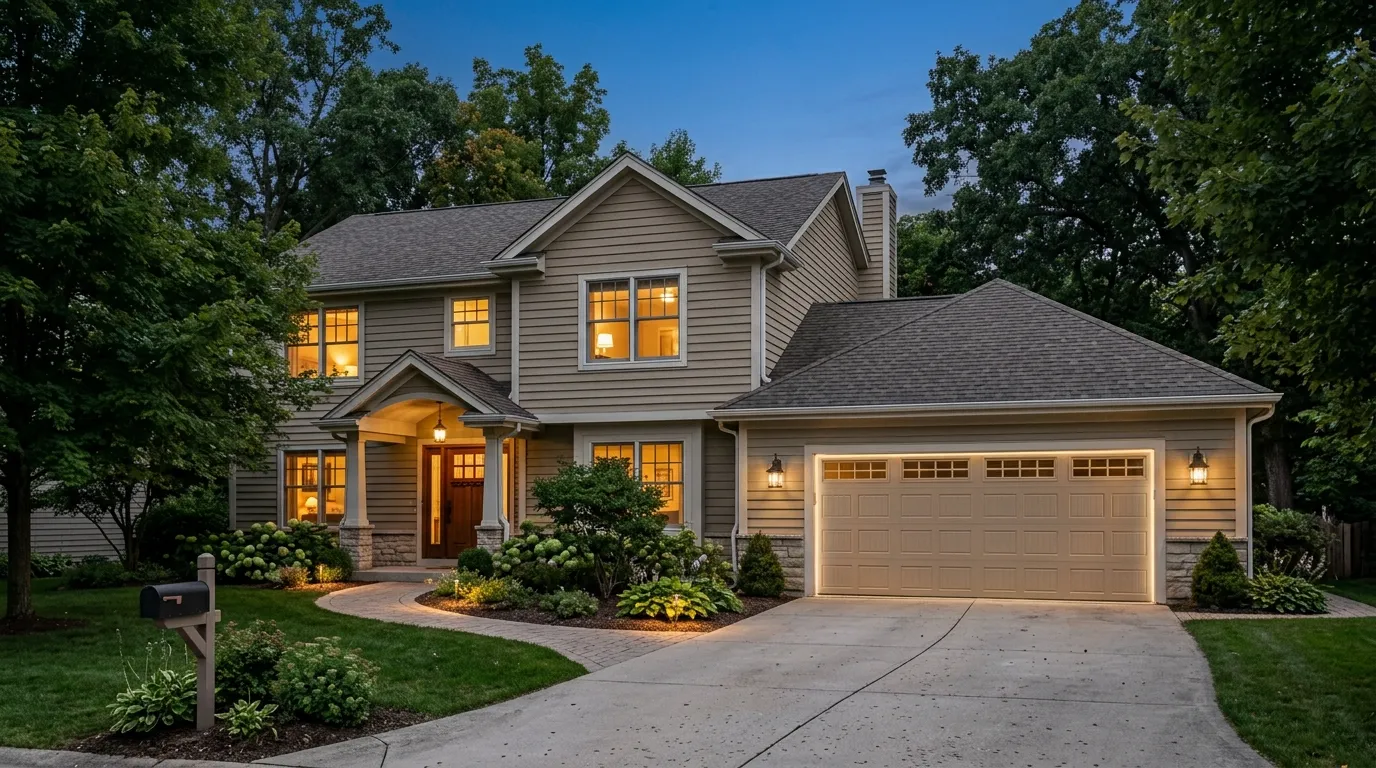
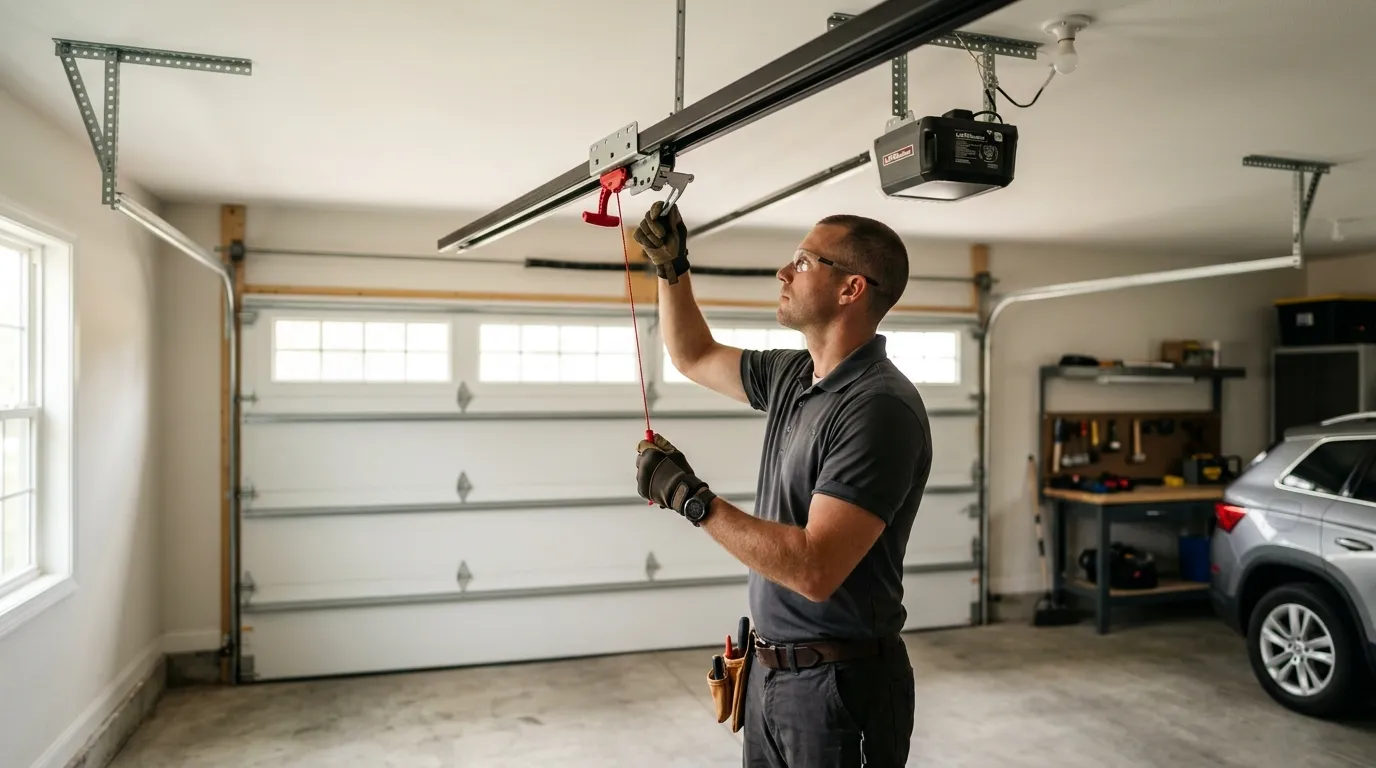
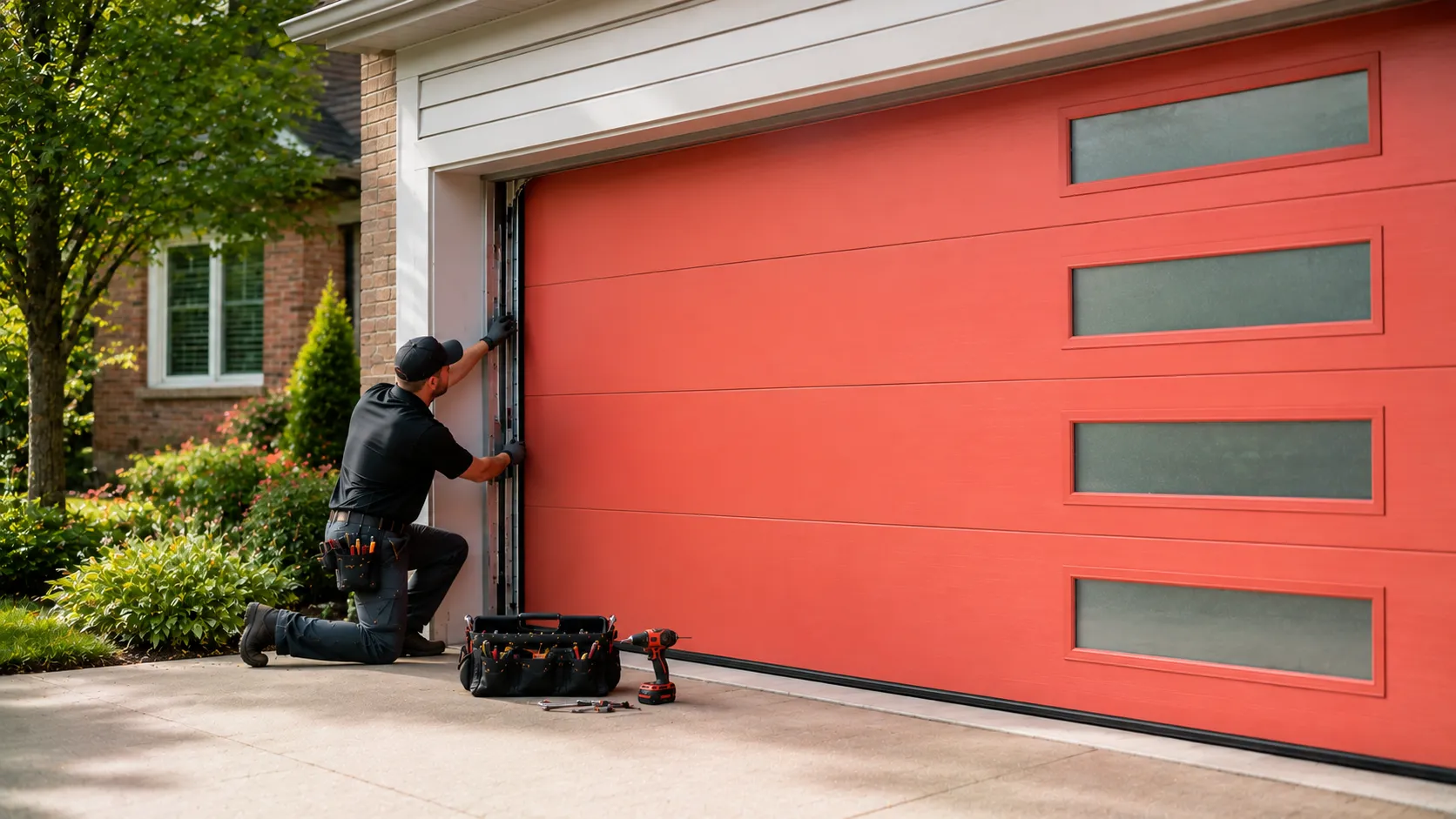
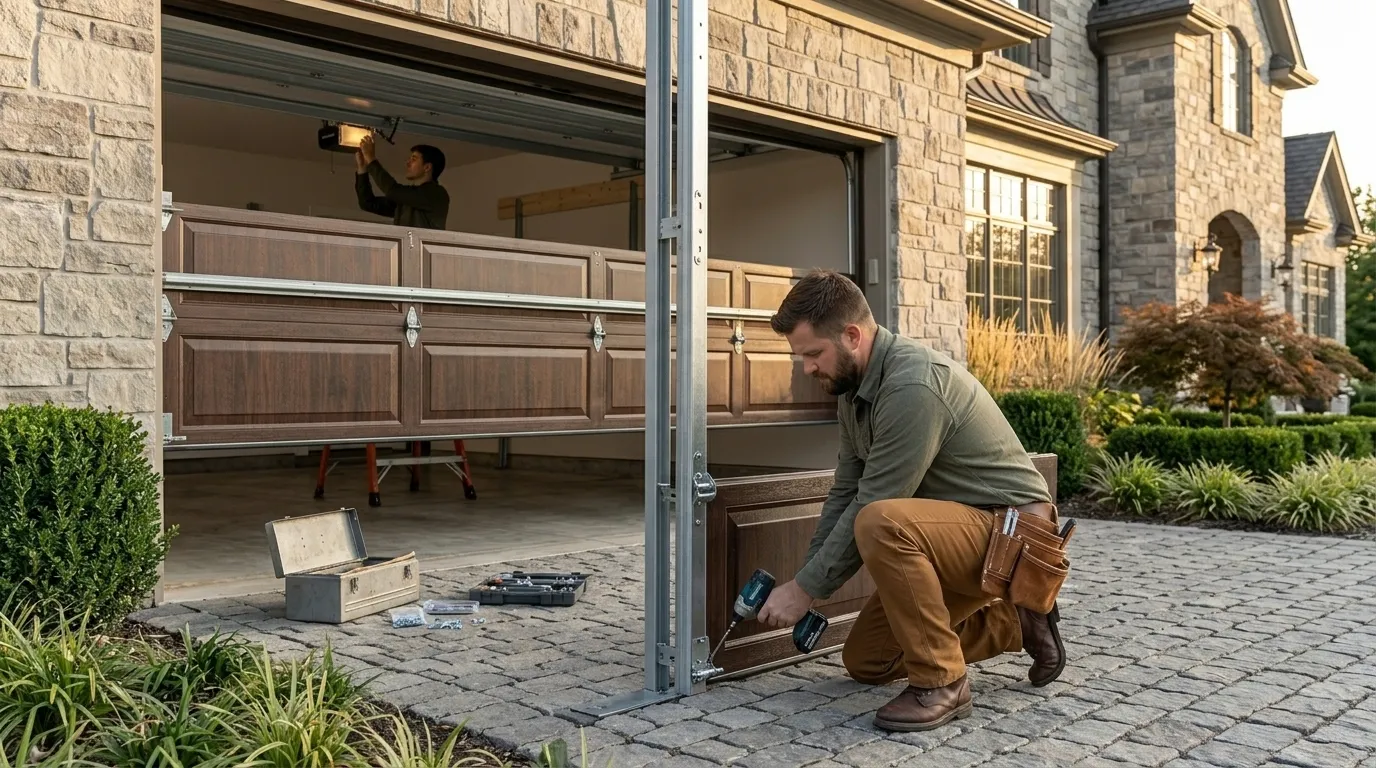
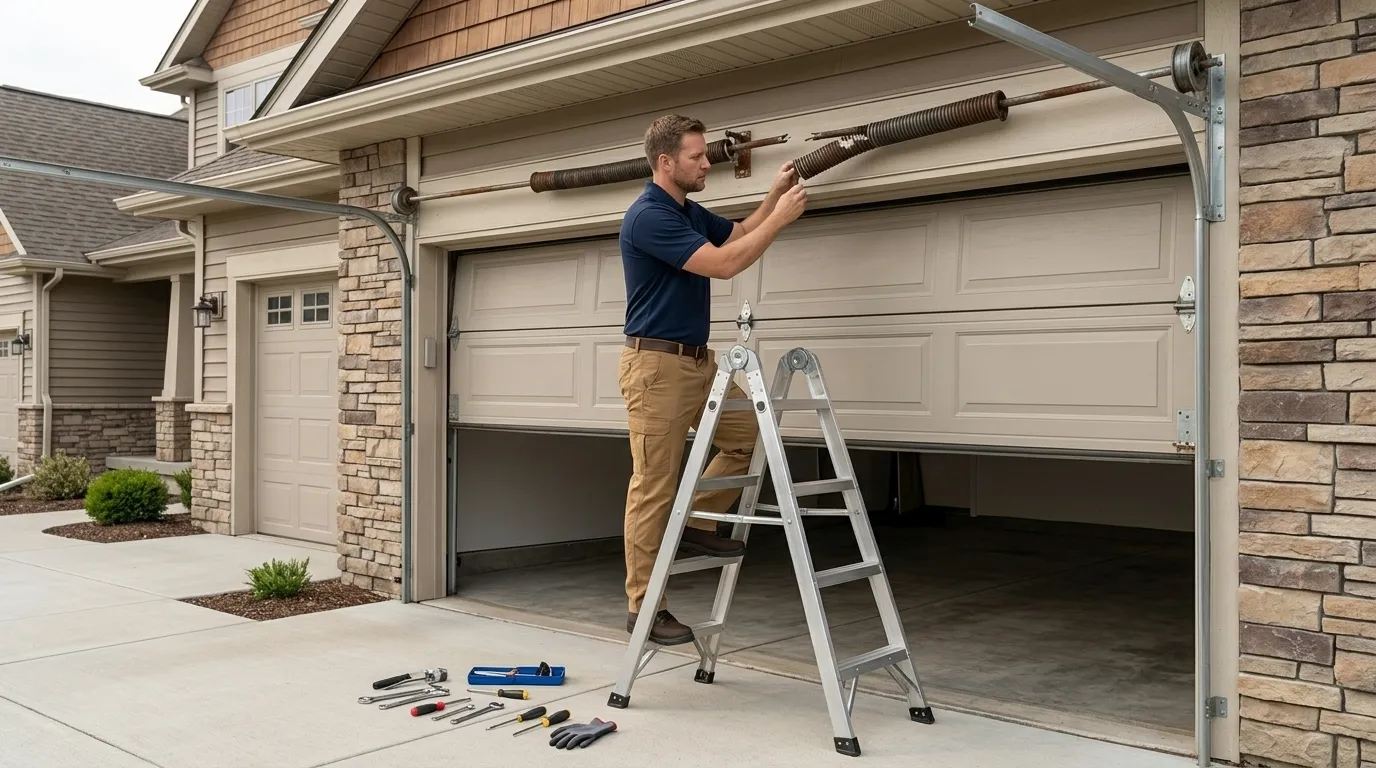
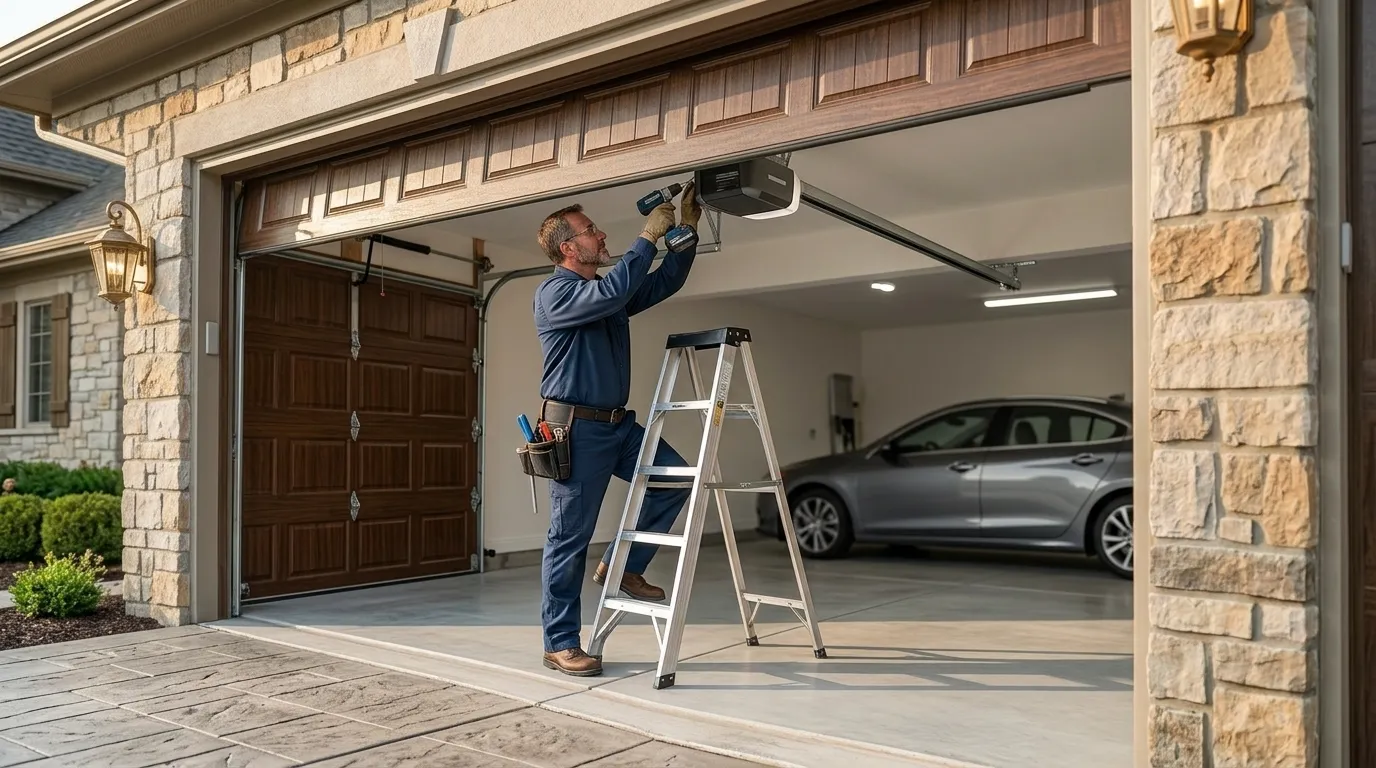
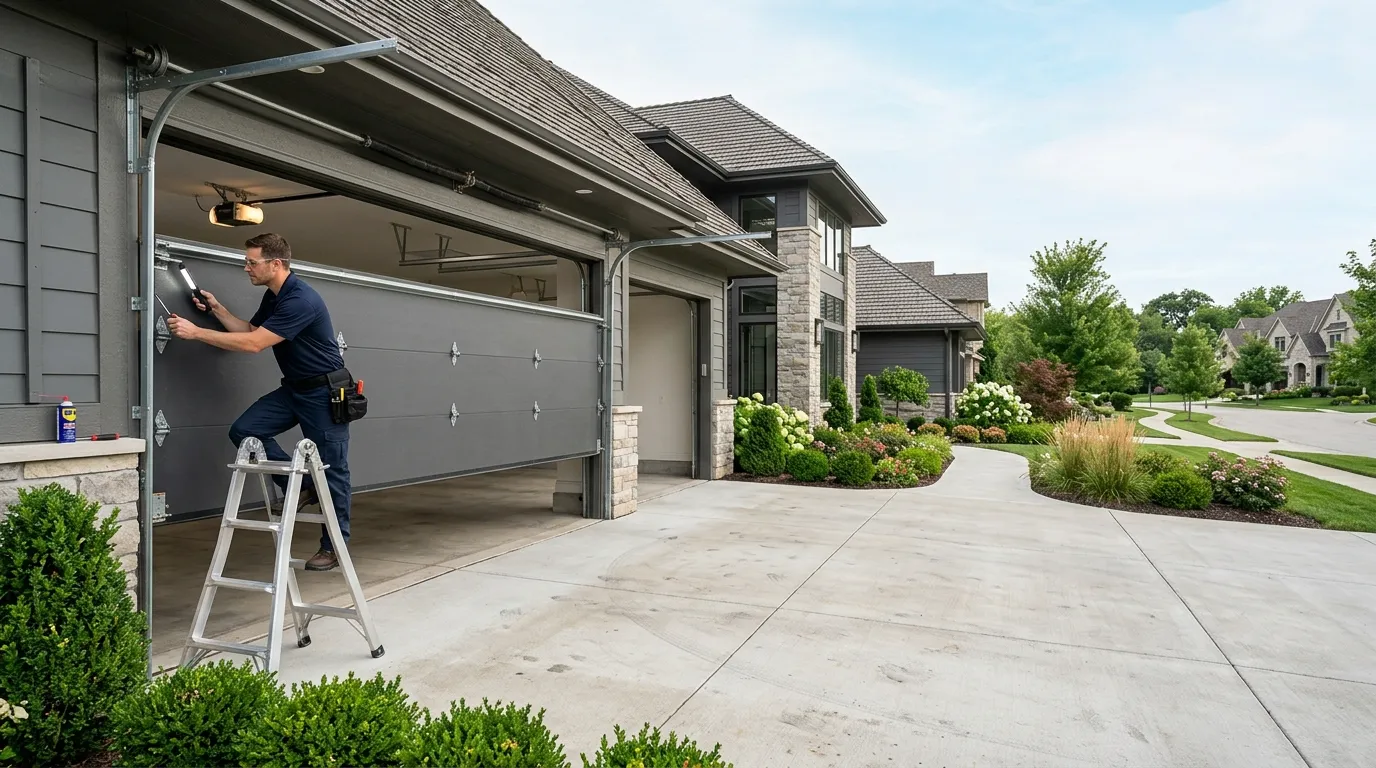
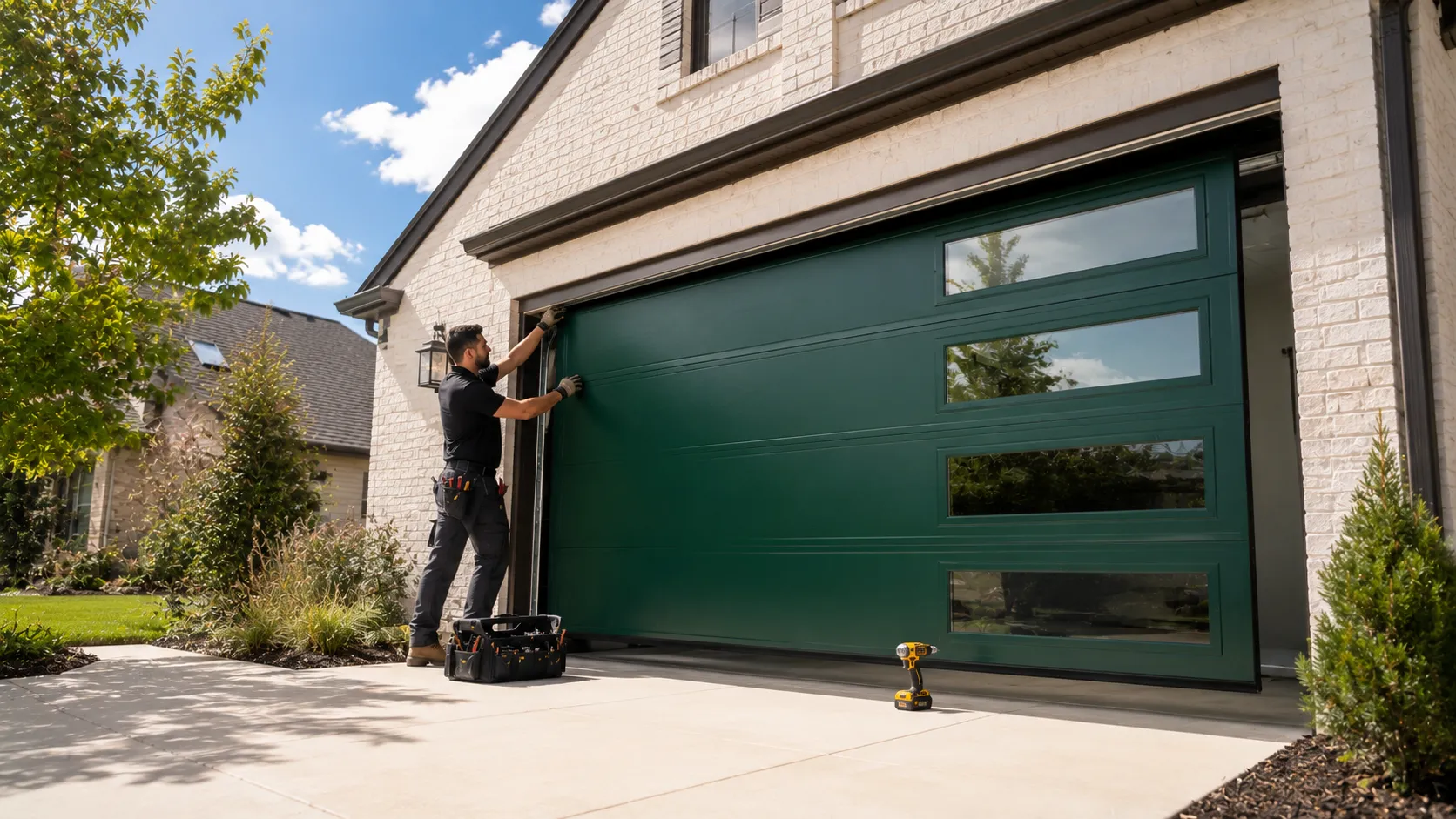
Most of Eagle Mountain went up around 2010, which puts it well past the older torsion-and-pulley hardware you still find on the aging side of the valley. That's a real difference from the broader service area, where the median build year runs closer to 1999 - this town is a decade-plus newer on average. What that means for your door: you're mostly dealing with steel sectional doors on factory torsion springs and standard extension track, with openers that are more likely to have circuit boards and safety sensors than the stripped-down chain drives common on 1980s and 90s builds elsewhere in the area.
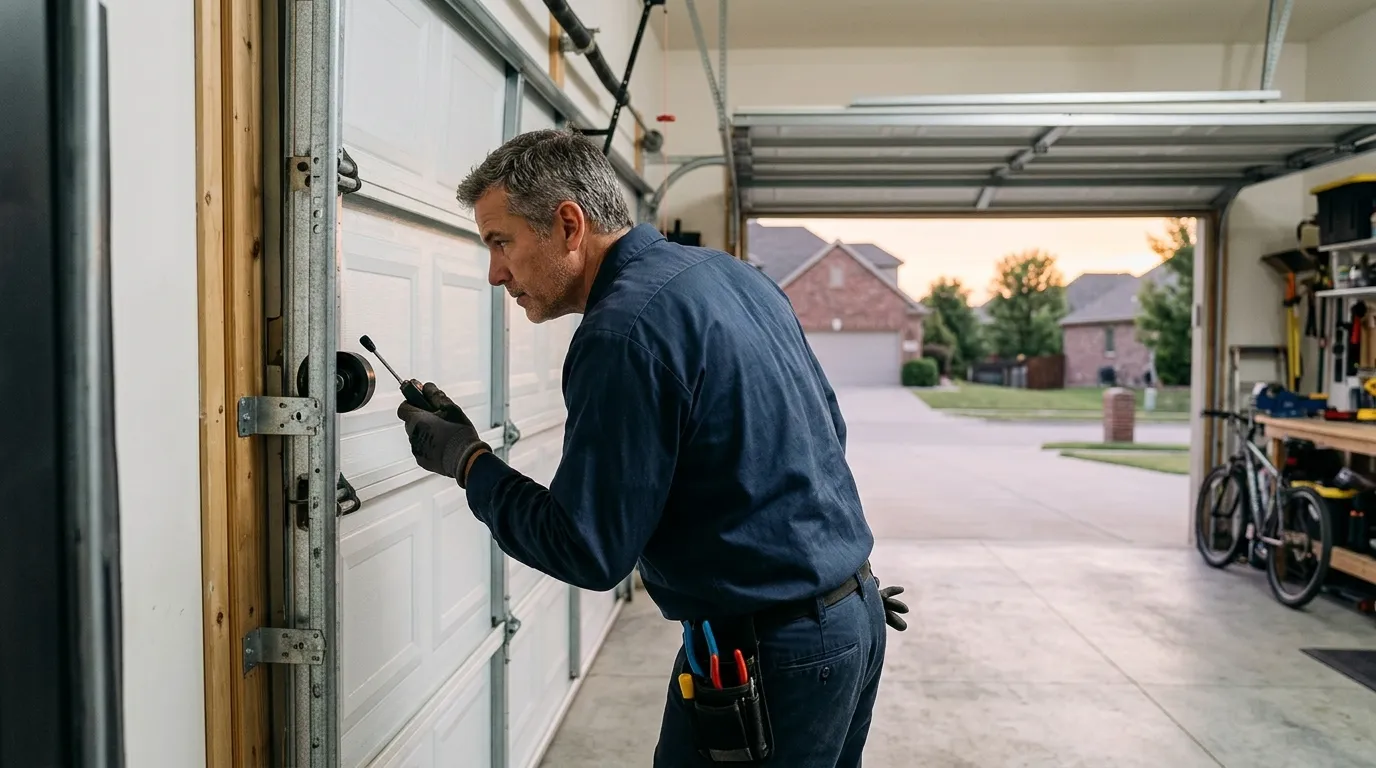
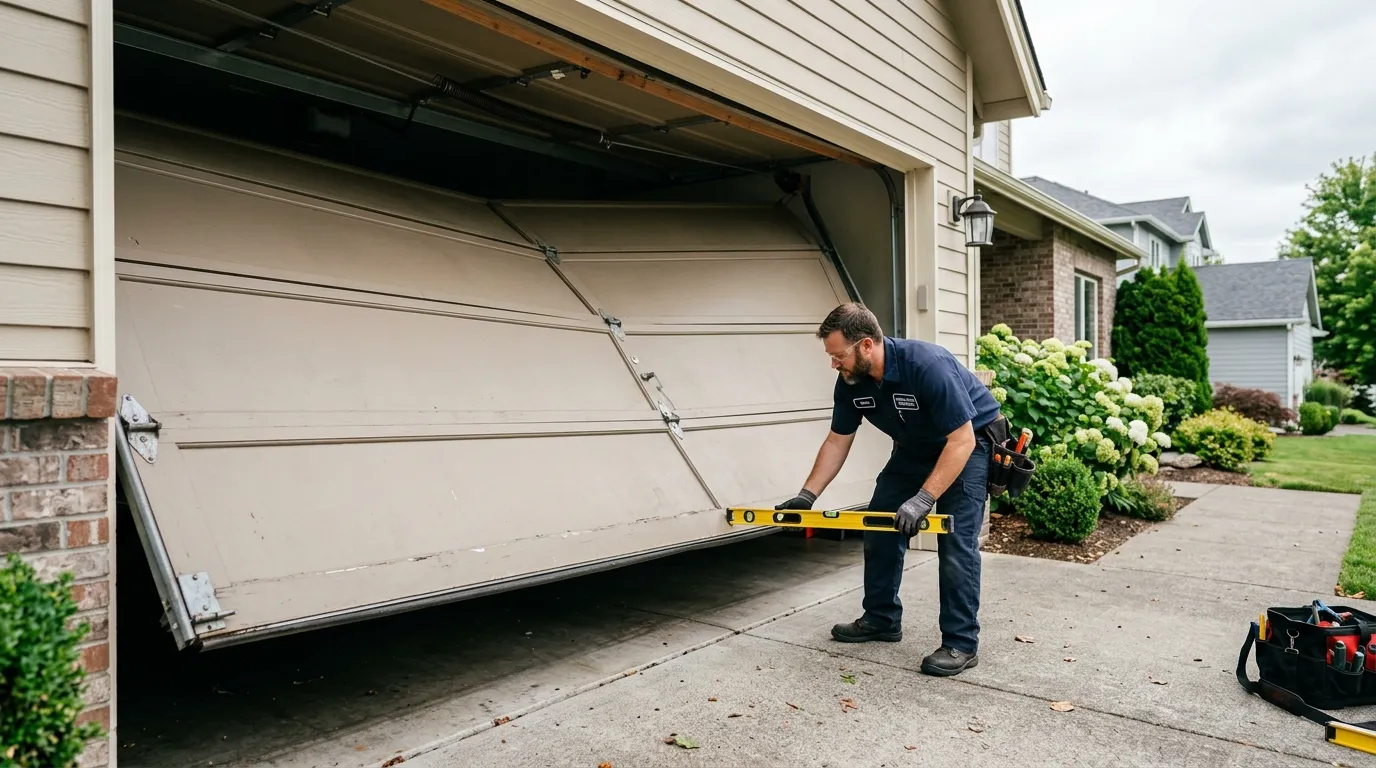
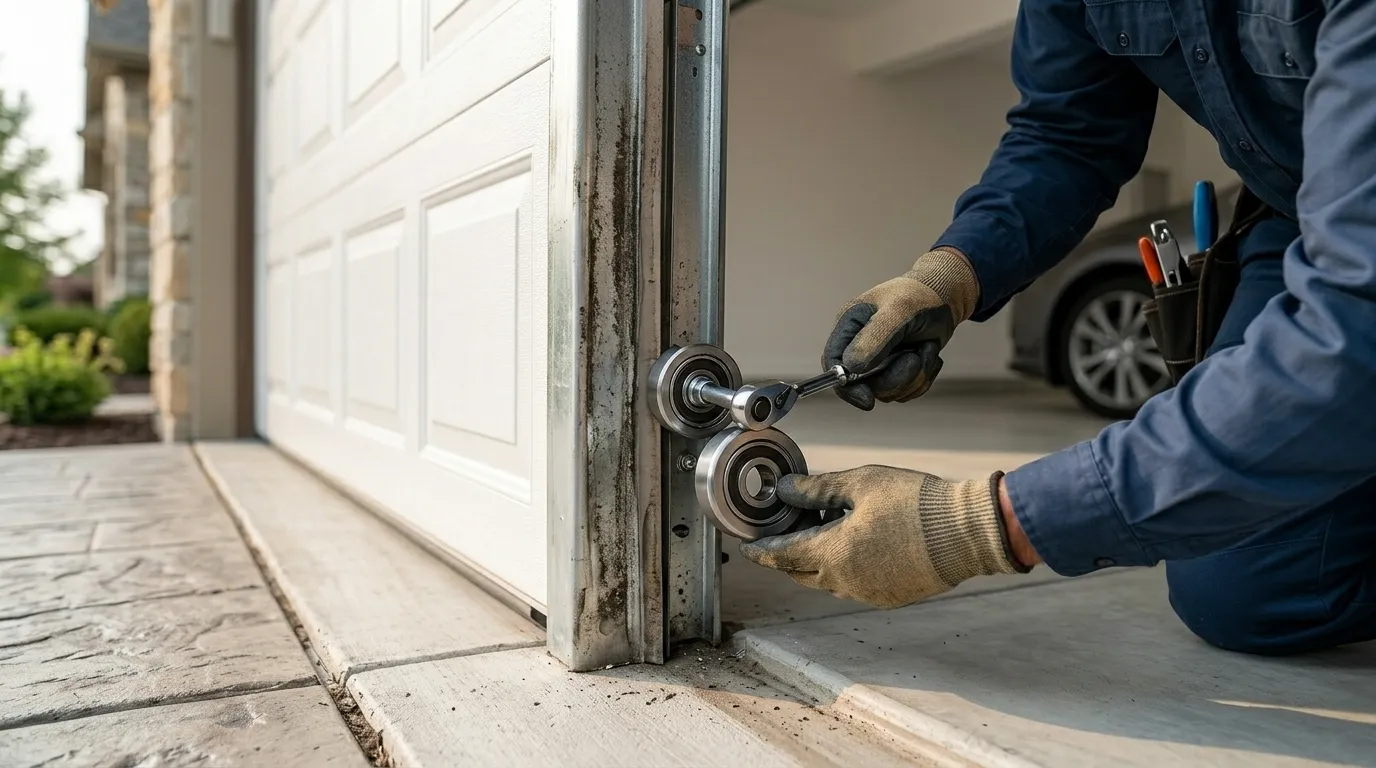
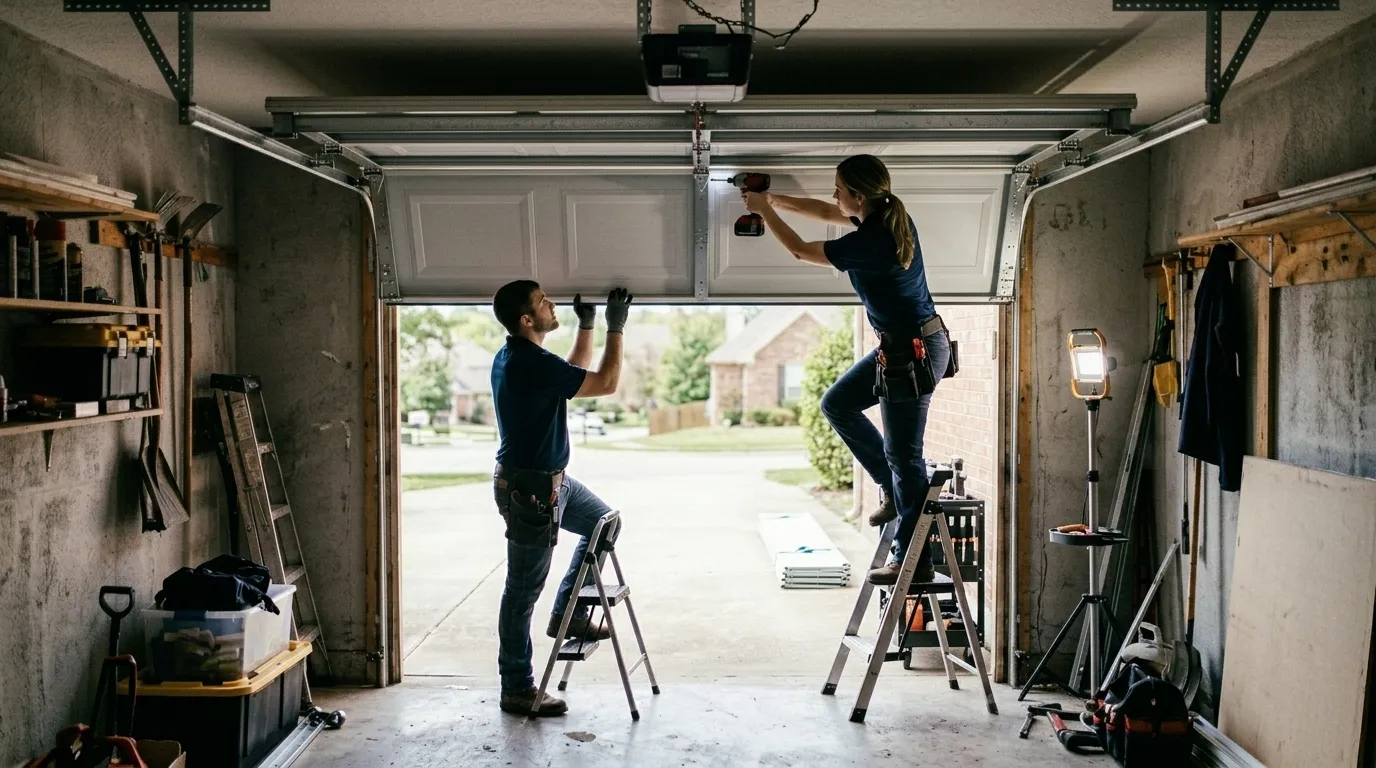
The common failures we see on newer stock like this are less about rusted-out hardware and more about worn rollers, misaligned safety sensors, and openers reaching the end of their working life after a decade-plus of daily cycles. Springs still fail here - cold weather doesn't care what year the house was built - but the fix is usually a straightforward torsion spring swap rather than untangling old, mismatched parts someone bolted on years ago.