
When We Can Get There
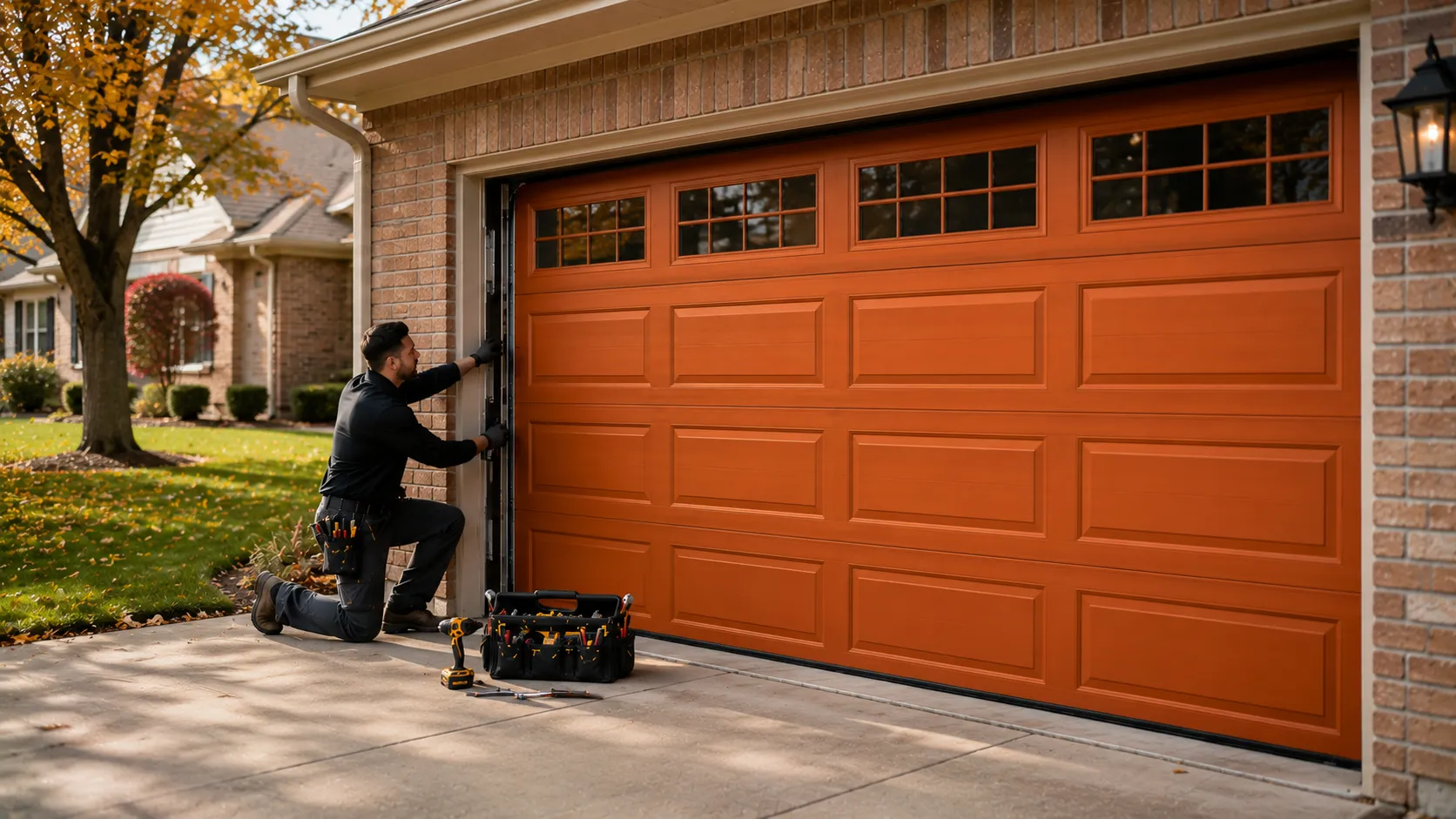
We're not going to promise a same-hour arrival for Benjamin the way we might for a job five minutes from the shop - the 14-mile drive is real and we're not going to pretend otherwise. What we can do is tell you honestly where you sit in the day's route when you call, and whether it makes sense to fold your job in with others we're already running near you. If your opener won't budge and the car's trapped inside, say so - that changes the order of the day. If it's a slow cable fray or a noisy roller, that's a job we can schedule rather than rush, and rushing it doesn't actually help you or the door.
How That Shows Up in the Door
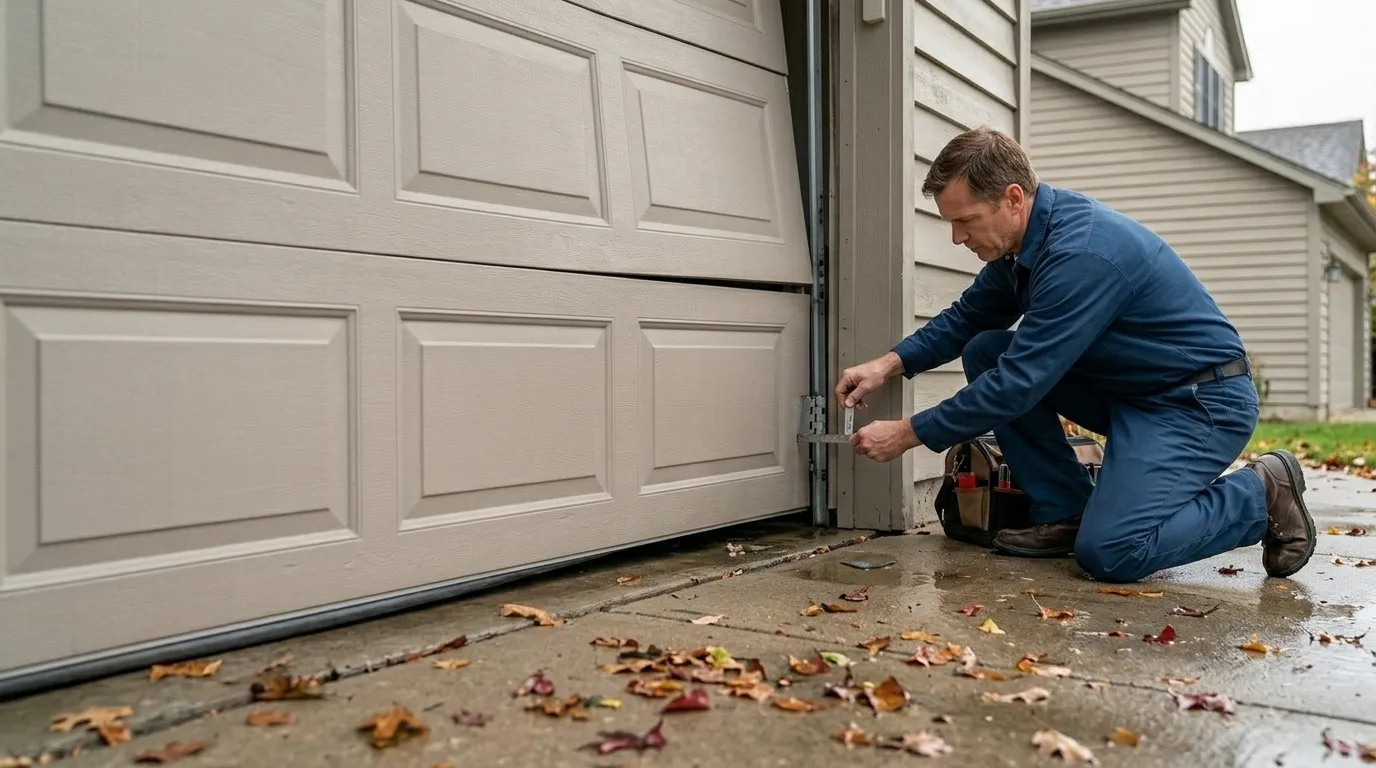
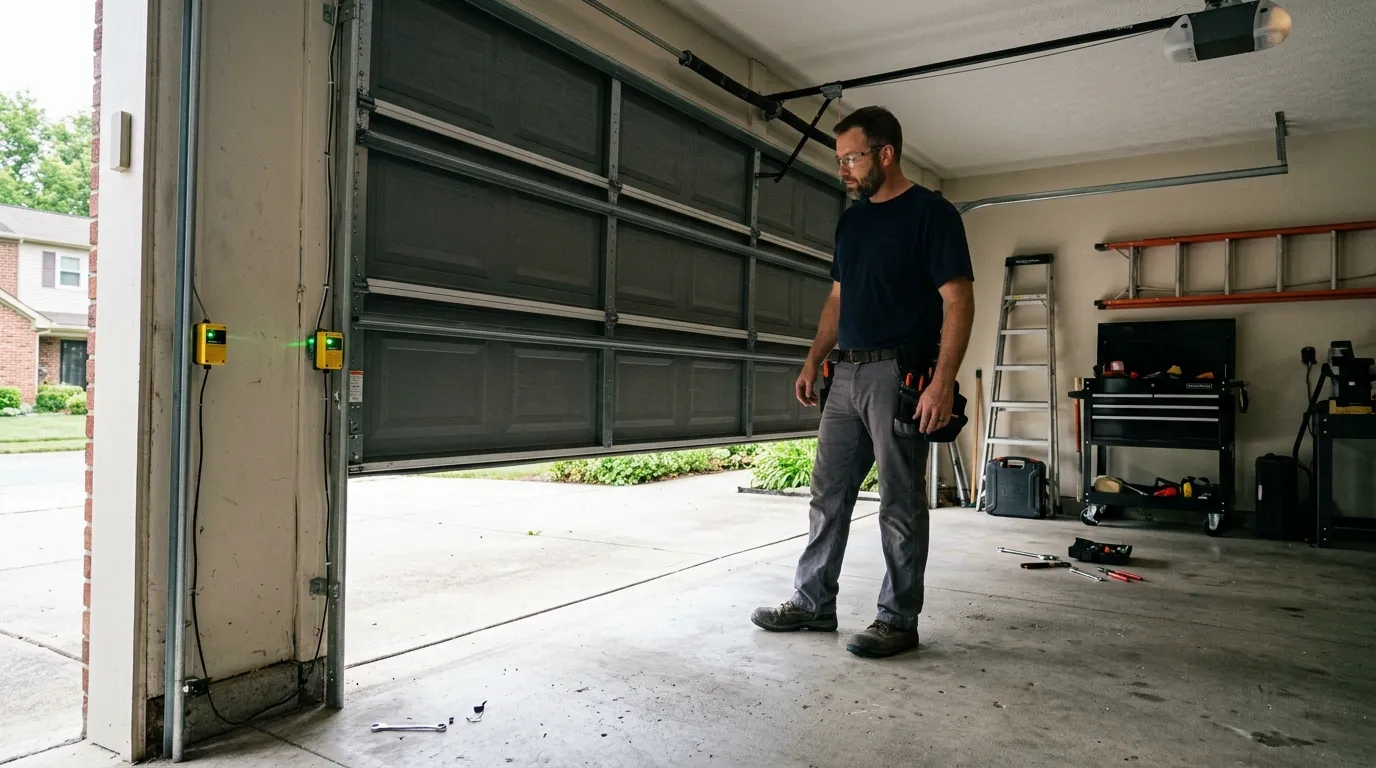
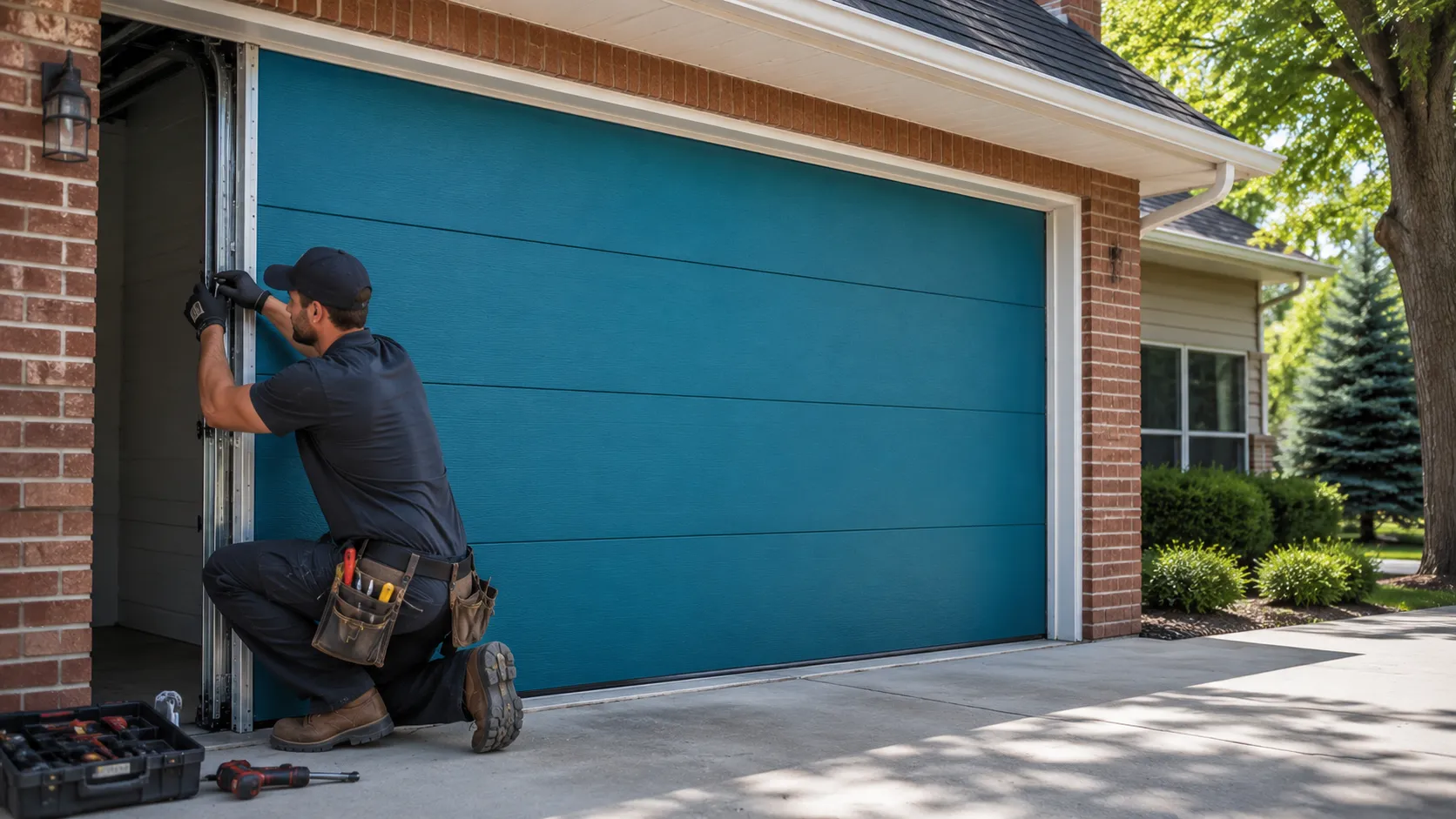
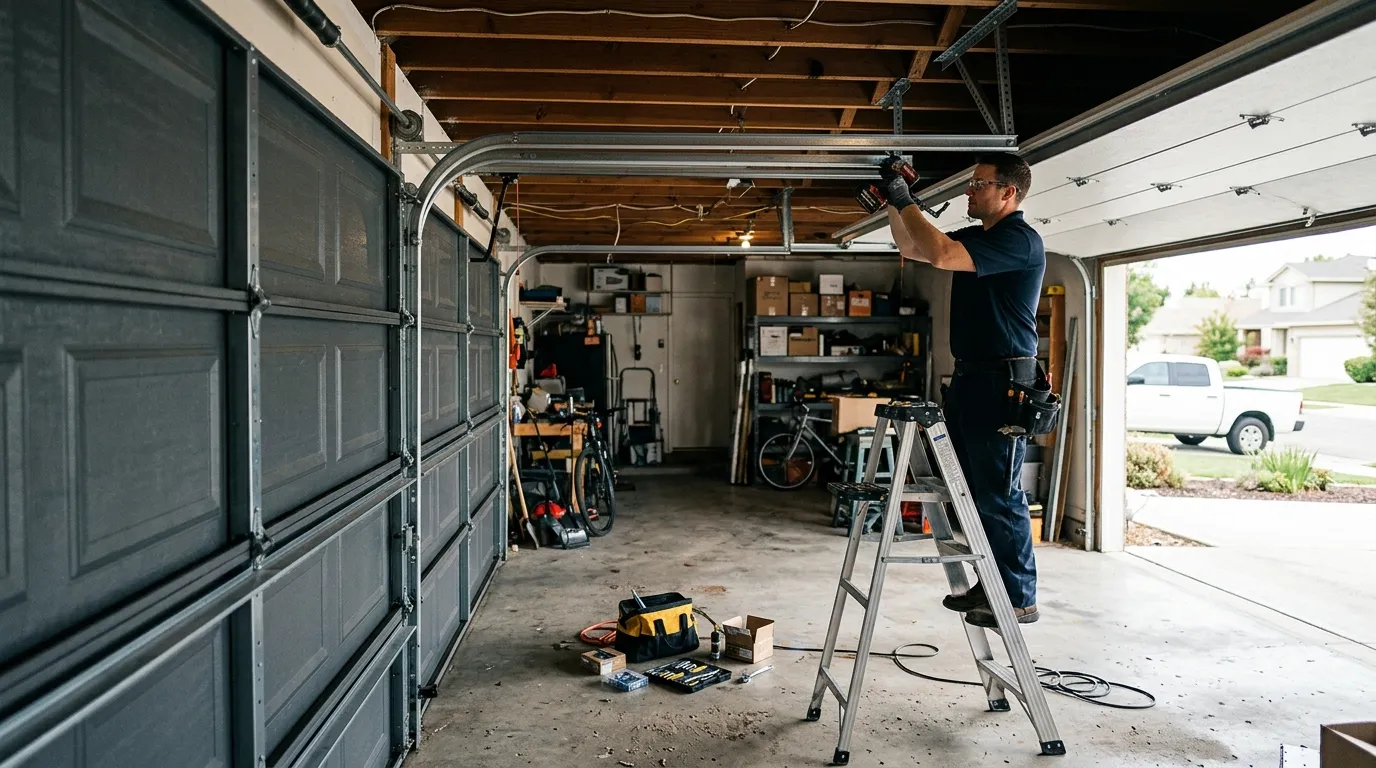
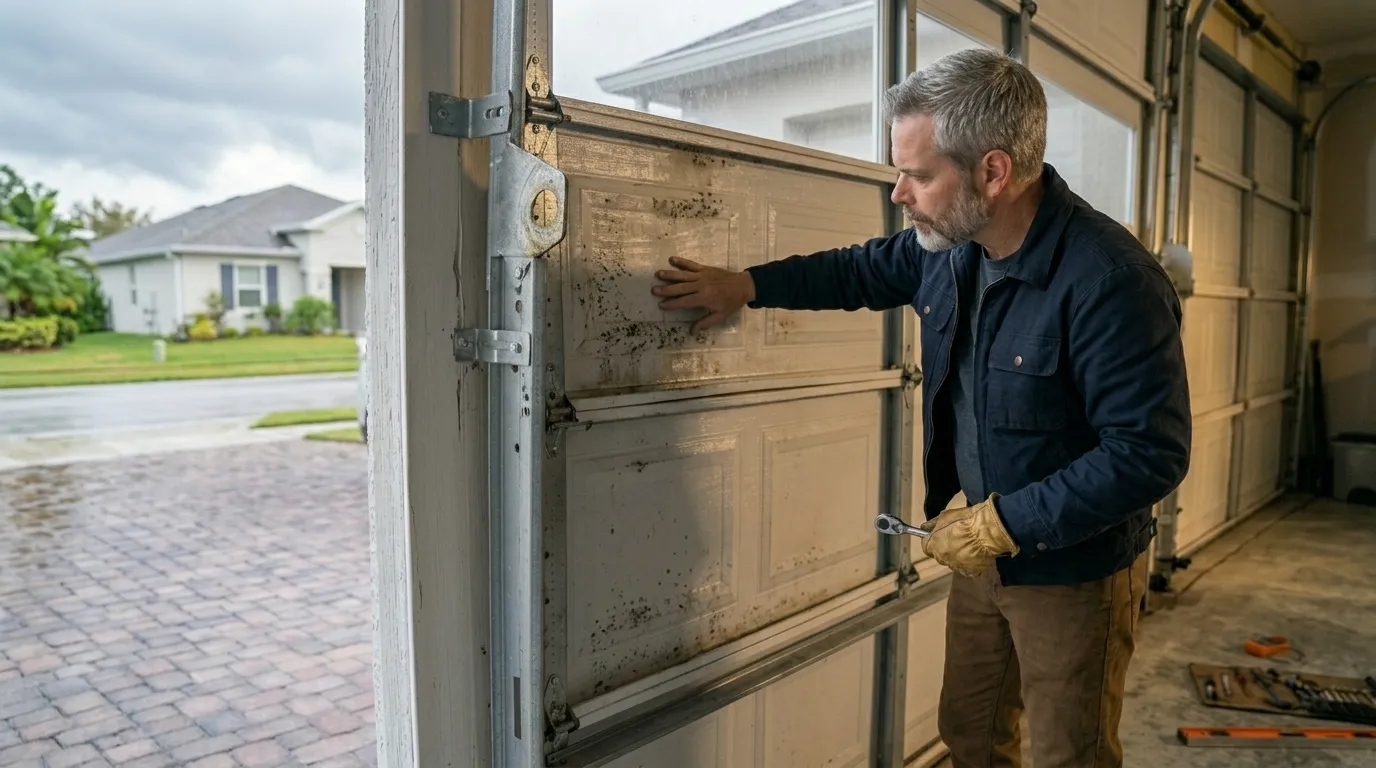
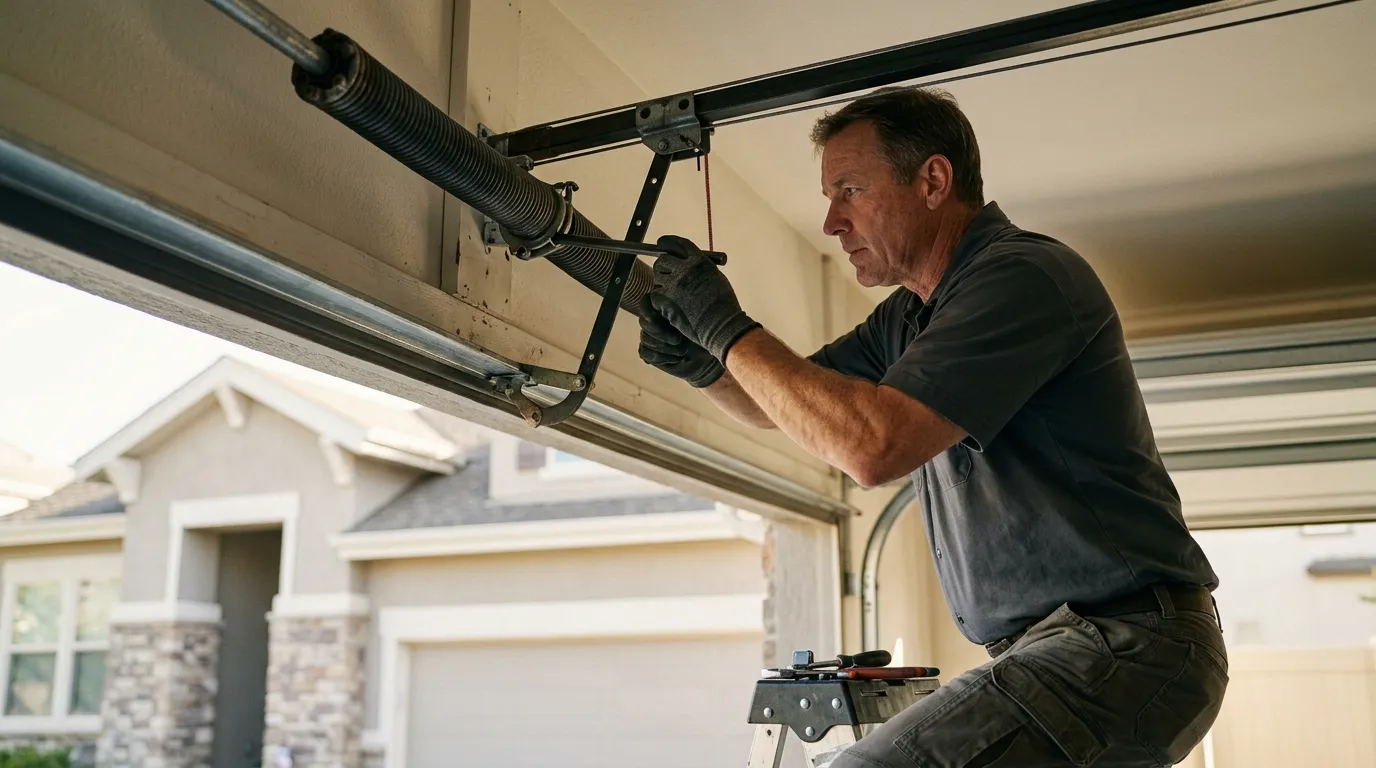
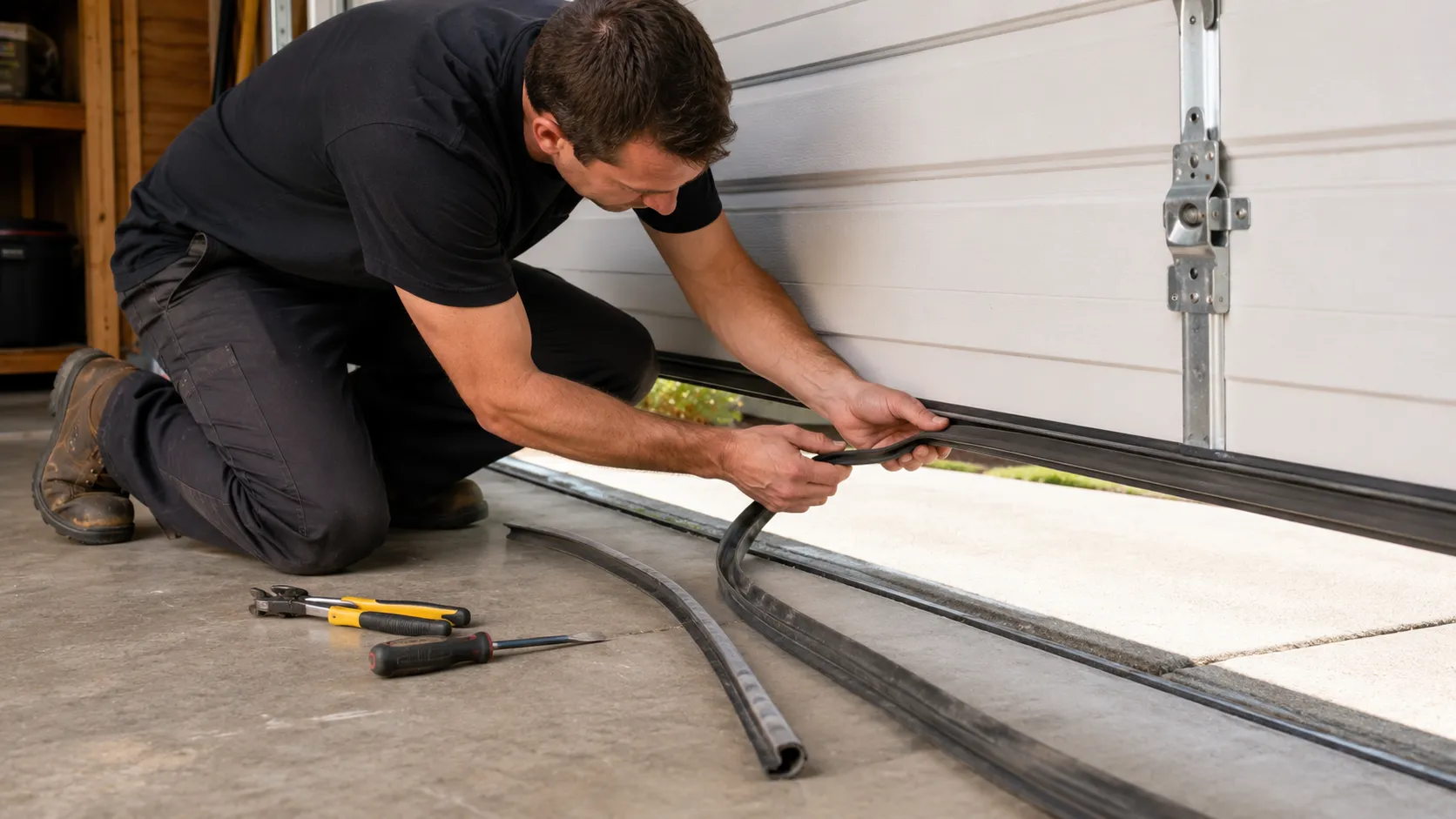
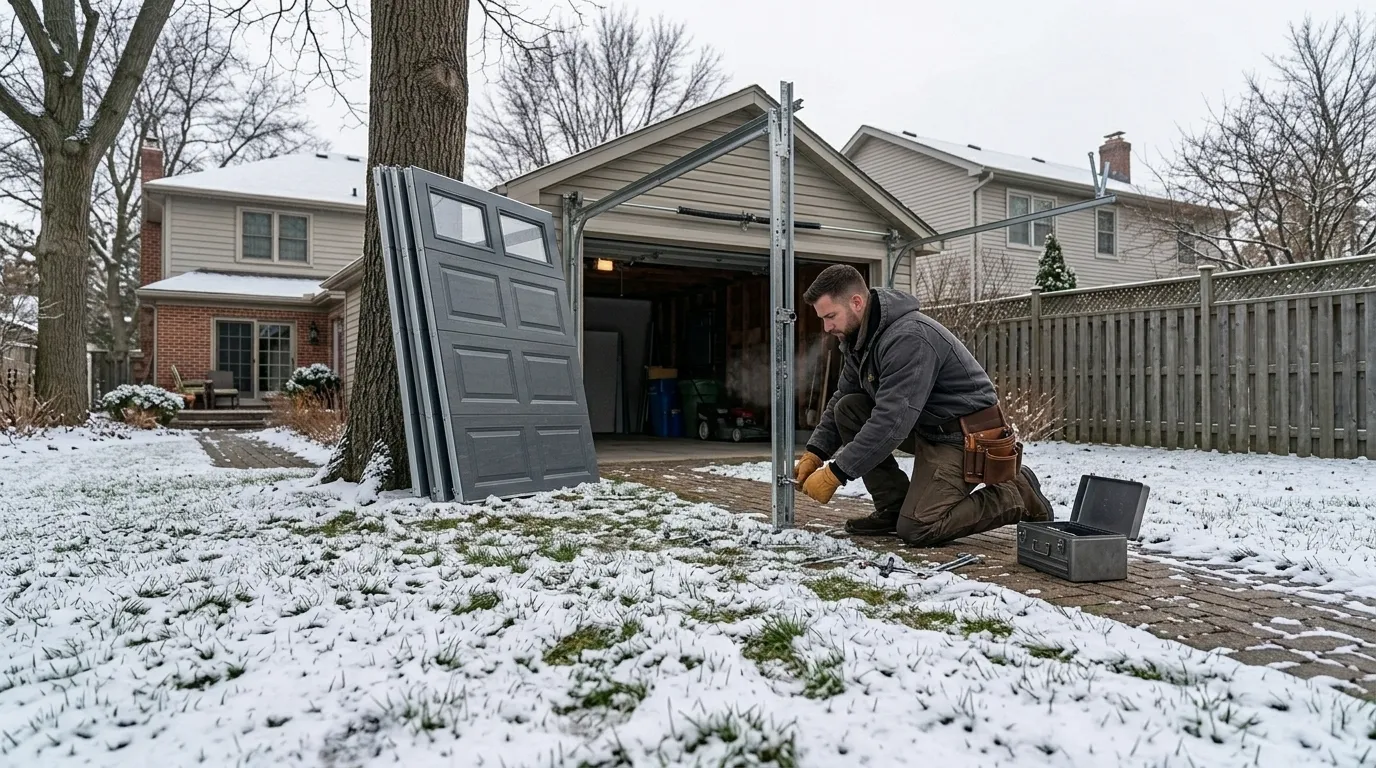
Benjamin's homes run older than a lot of what we see closer to Orem - the typical house here dates to around 1981, while the broader service area we cover has a median build year closer to 1999. That eighteen-year gap matters on a garage door. A 1981 house usually still has its original torsion or extension hardware, or a first replacement from the 80s or 90s, built to specs that don't match what's sold off the shelf today. Springs are wound for different door weights, the track gauge can be narrower, and the opener - if it's been swapped at all - is often bolted to bracketry that predates current mounting standards. On a cold-moderate winter like this valley gets, older steel hardware gets brittle faster than newer galvanized parts, so a cable or spring that's been fine for years can snap without much warning. We carry stock sized for both eras, but we ask what year the house went up before we load the truck, because guessing wrong on a 1981 door means a second trip.