When We Can Get There
Because we're traveling in rather than sitting on a truck already parked nearby, the honest answer on timing depends on where else the route is running that day. We don't quote a response window we can't hold to from 10 miles out. What we can tell you is that Highland gets folded into the same day's work as the other communities inside that same radius, so a call here isn't treated as a special trip tacked onto the end of the day.
The area's median household income, at $178,662, is well above the wider service area's figure, and that tends to mean homeowners here are less willing to sit on a broken spring or a door stuck half-open for a week. We get that. We just won't tell you we can be there in twenty minutes when we're not.
How That Shows Up in the Door
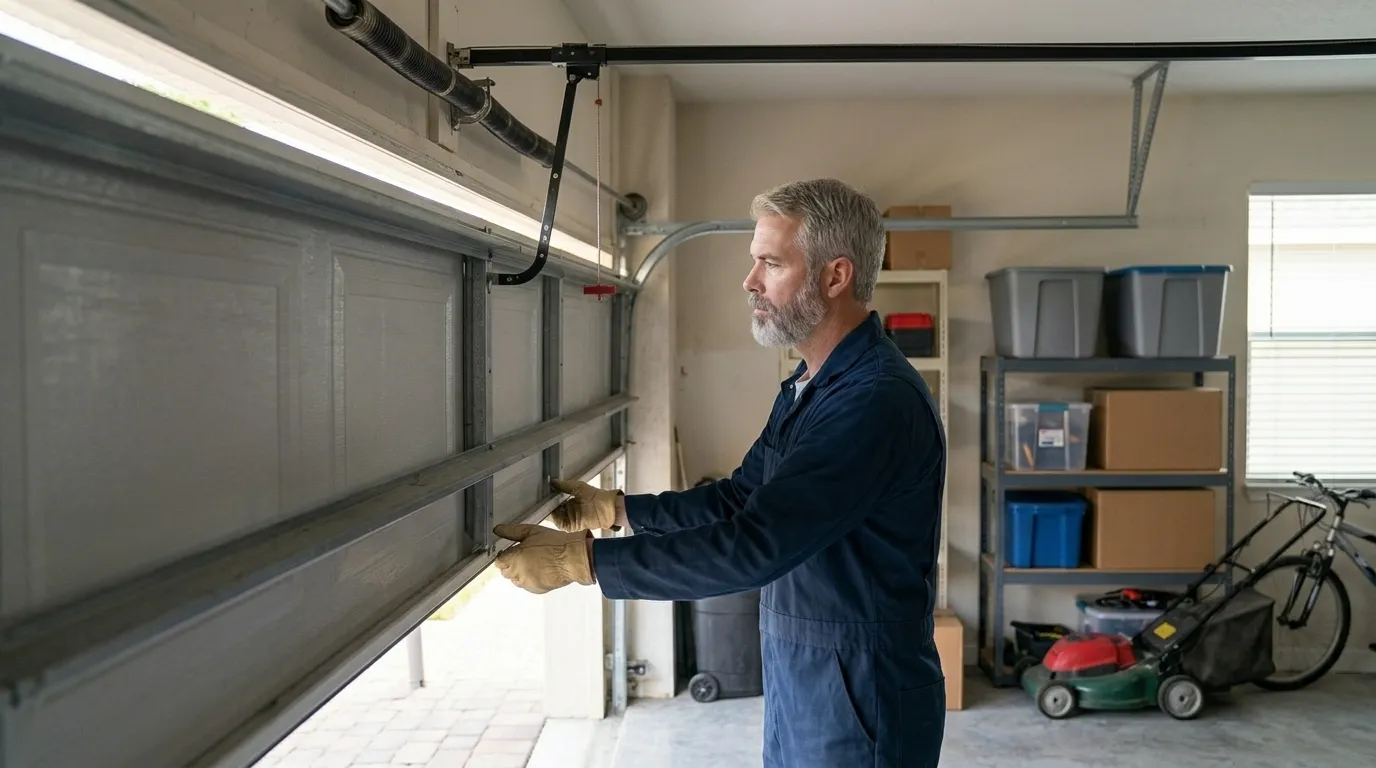
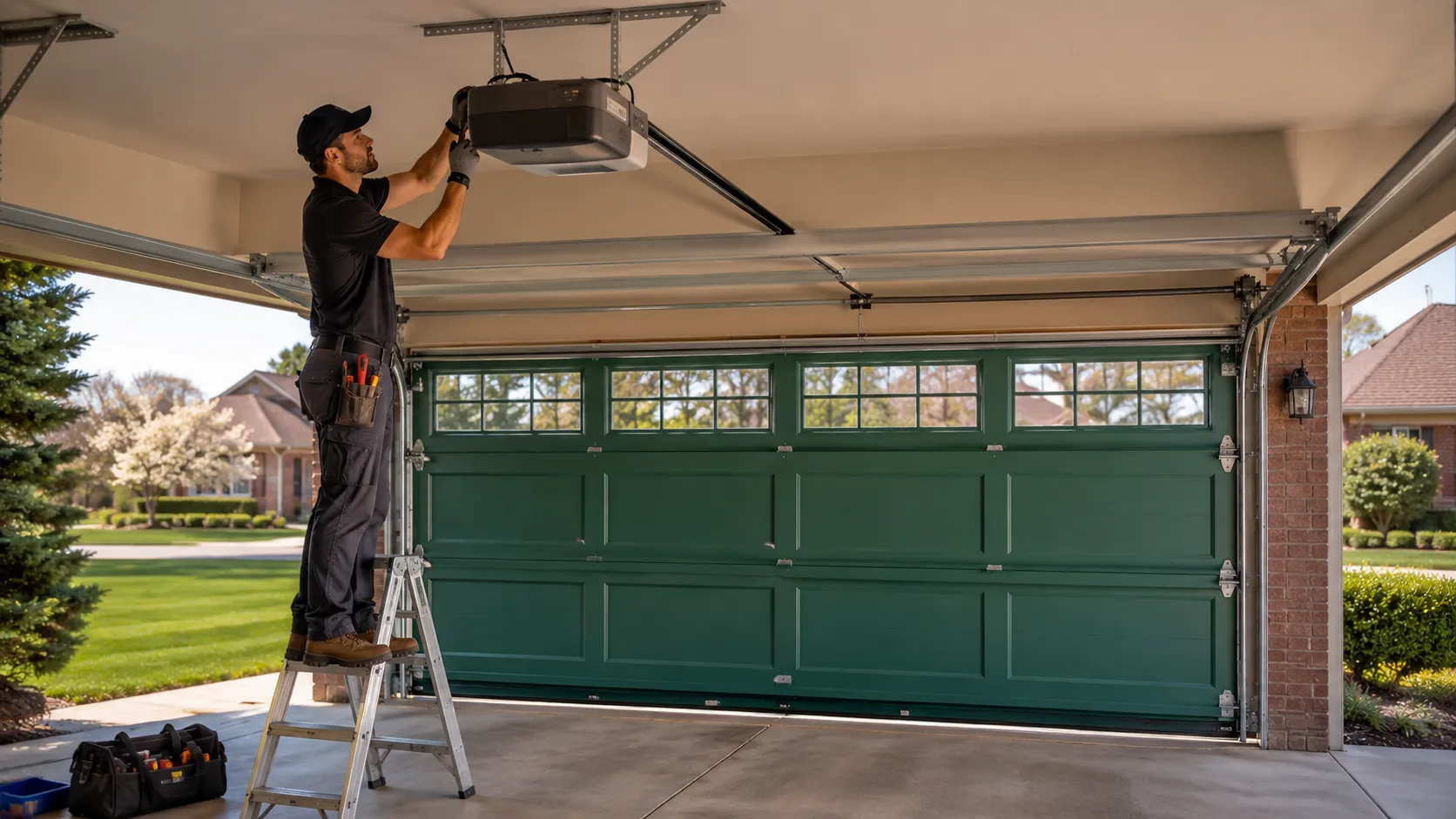
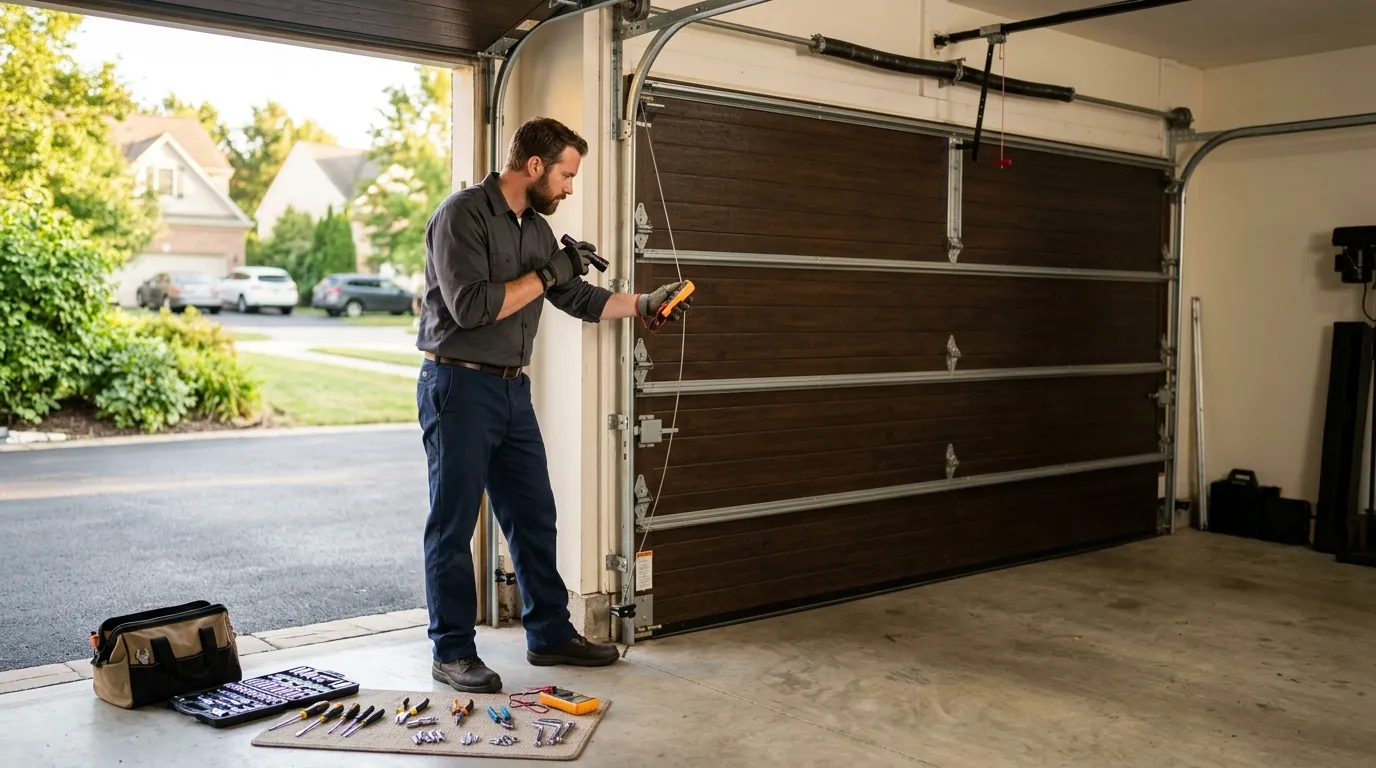
Highland's homes carry a median build year around 2004, noticeably newer than the 1999 median across the broader service area. That gap matters more than it sounds like it should. A door and opener installed in the early 2000s is a different animal than the 1980s and 90s stock that dominates most of the rest of the coverage area: you're more likely looking at a factory steel door on a standard extension or torsion spring setup, a chain or belt-drive opener with a keypad, and hardware that's still largely original because the house itself isn't old enough to have forced a full replacement yet.
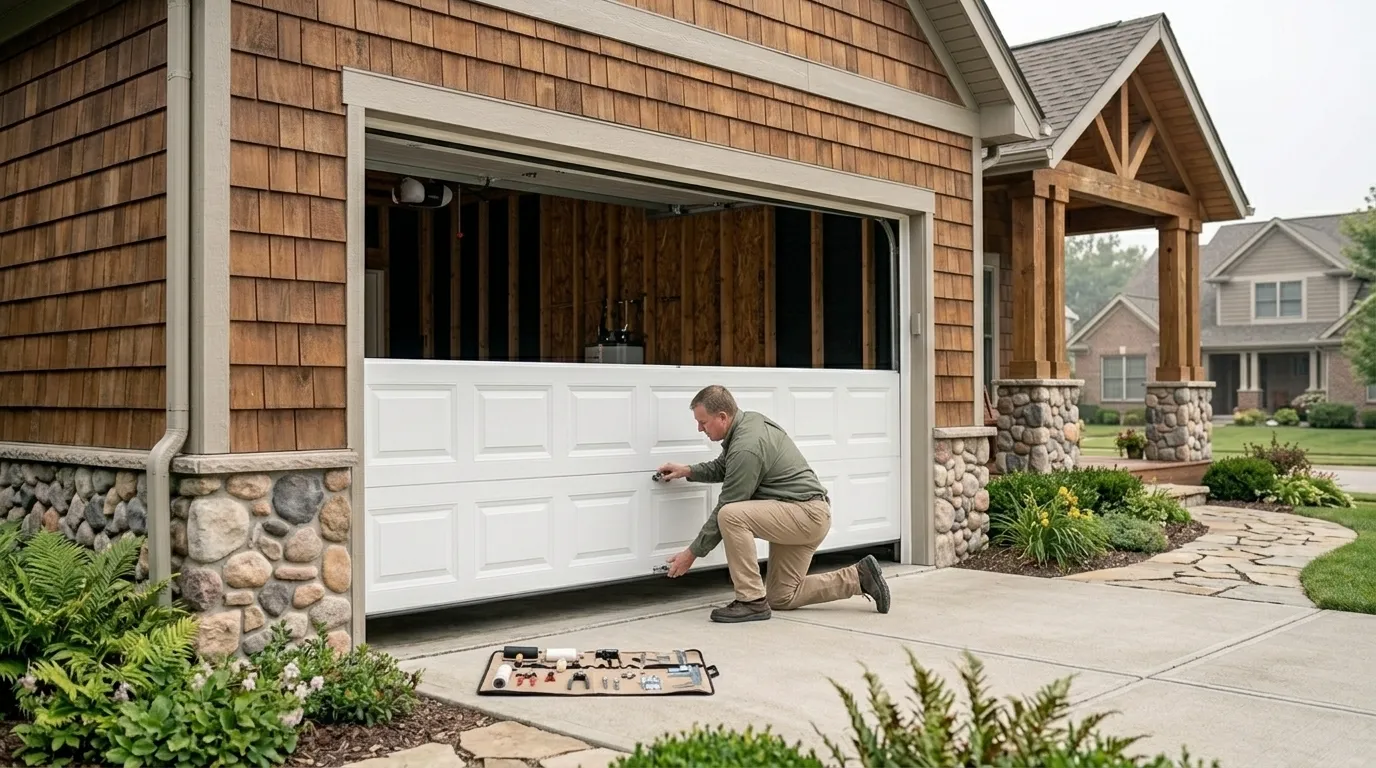
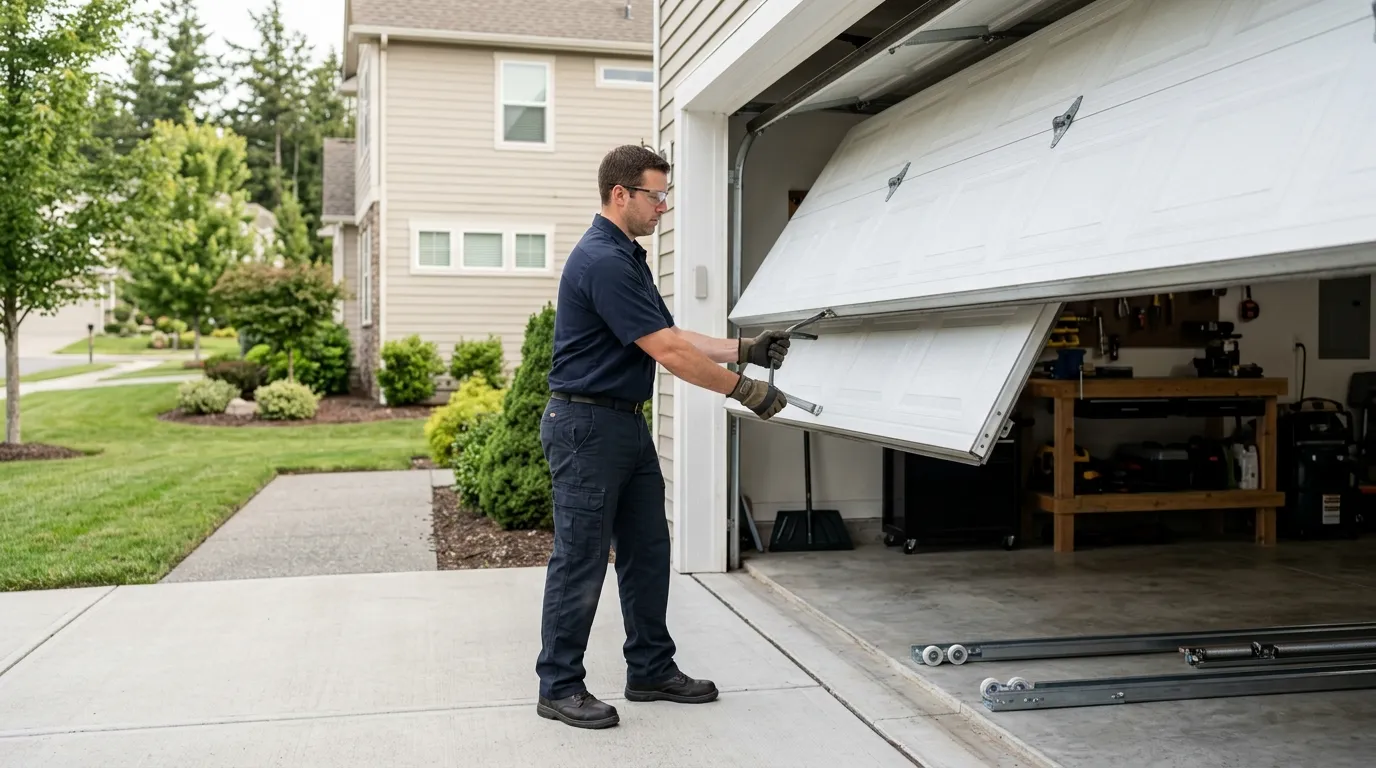
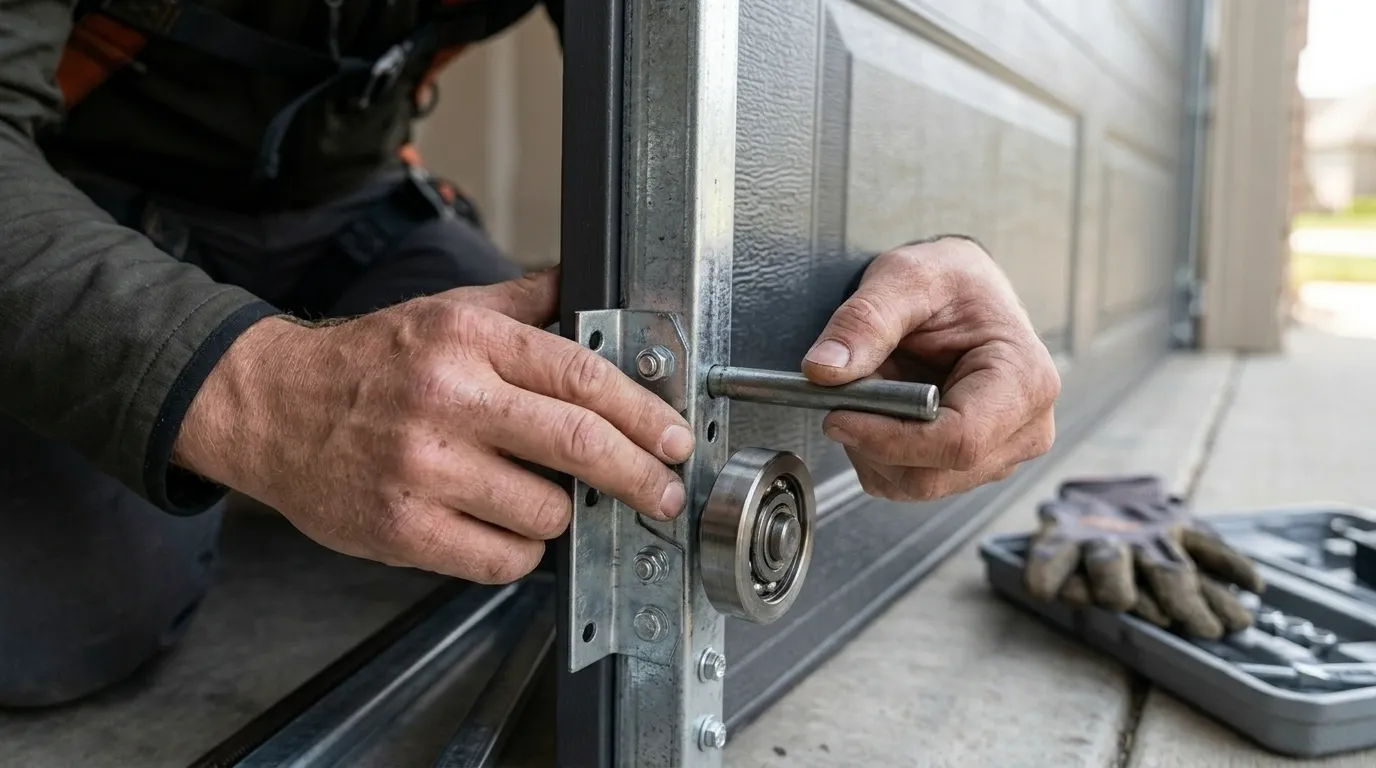
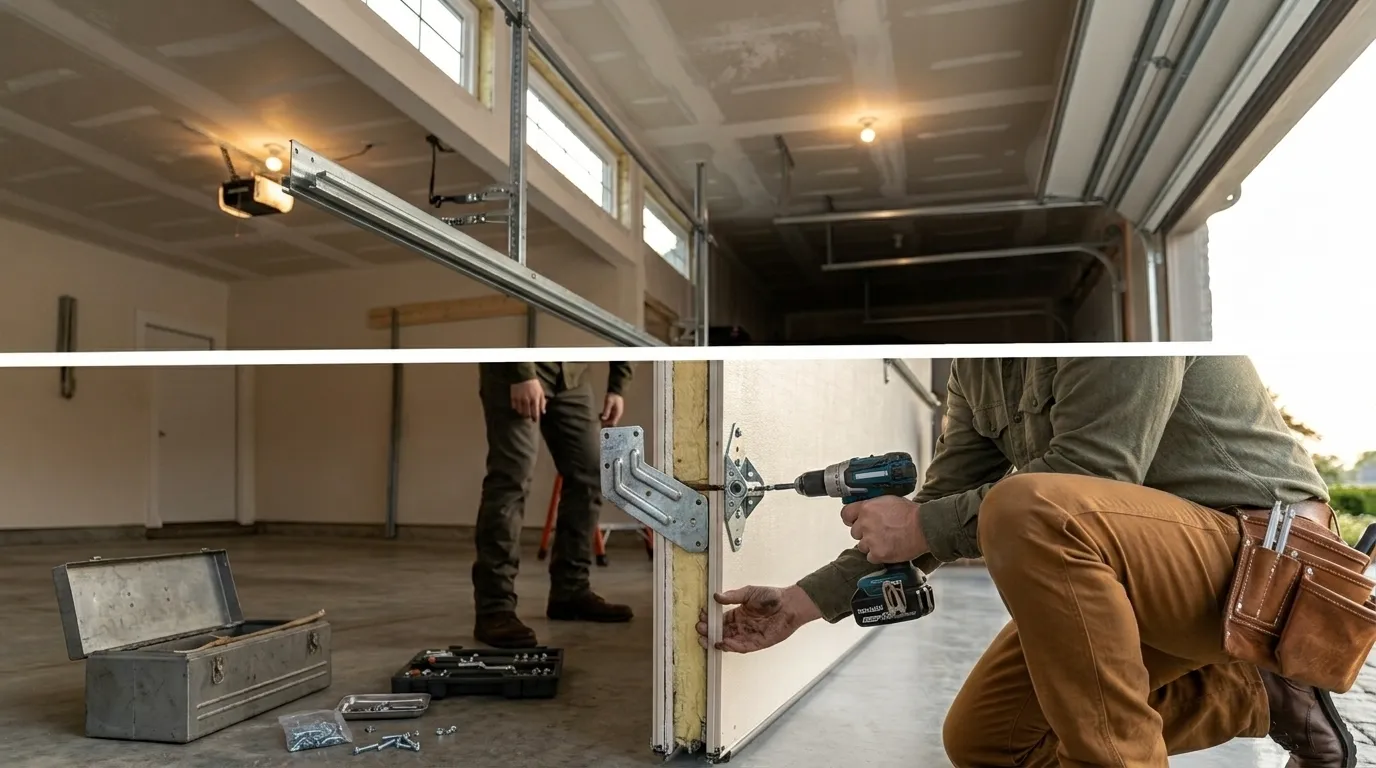
What fails first in a 2004-era door is rarely the spring - springs on doors this age are usually still within their working life unless the door gets heavy daily use. More often it's the opener's logic board, worn rollers that were never upgraded from the builder-grade steel ones, or a sensor that's drifted out of alignment after twenty years of settling. We come in expecting to find that, not a worn-out torsion setup from the 80s.