When We Can Get There
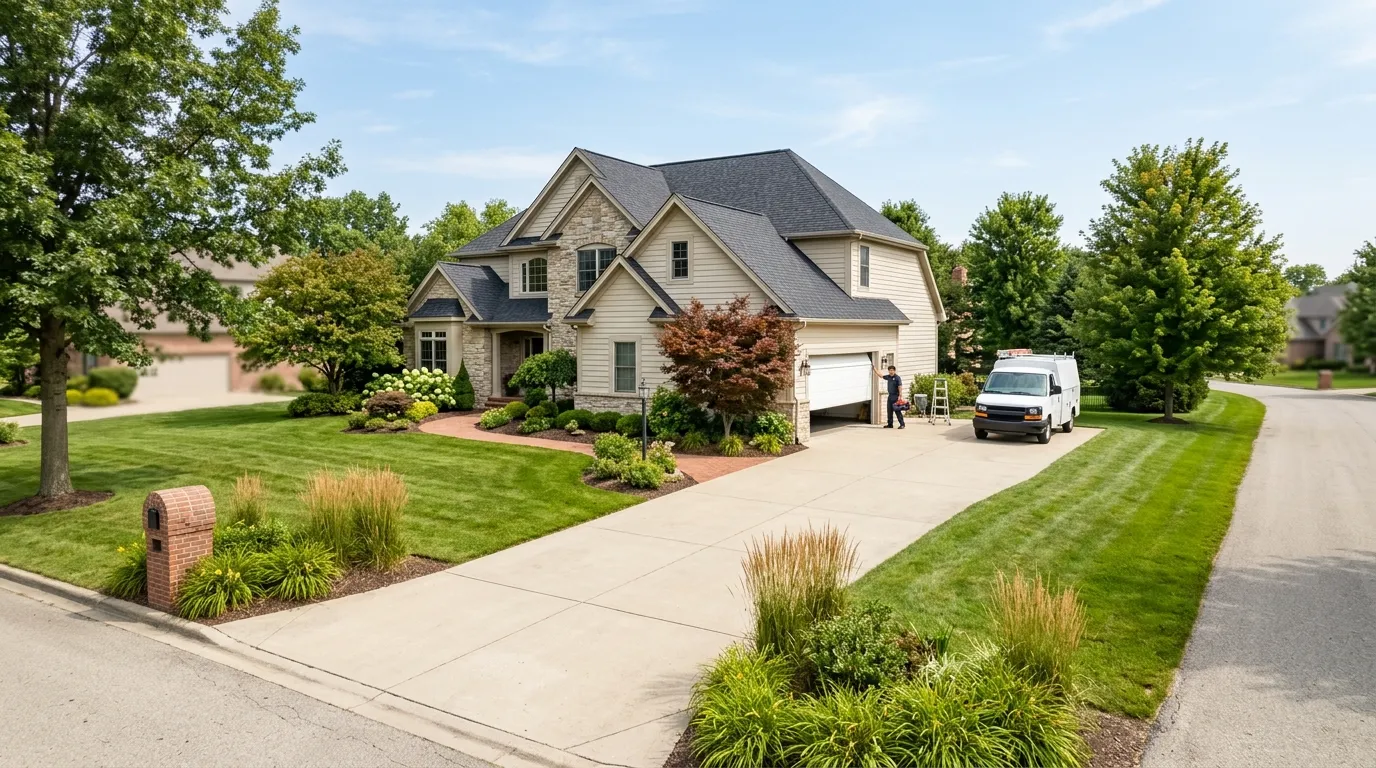
We schedule Midway jobs around the rest of the day's route out of Orem rather than treating it as a stand-alone stop. That means the earliest slot we can offer depends on what else is already on the board, and we'll say so plainly instead of quoting a fixed arrival time we can't back up. If your spring snaps on a Tuesday morning, we're not going to tell you we'll be there in twenty minutes - that would be a lie for anyone 19 miles out.
What we can commit to is calling ahead with a real estimate once we know the day's order, and not padding your wait to make room for closer jobs. The honest limitation here is timing, not capability: once we're on site, the work is the same work we'd do five miles from the shop. We just ask that if the door is stuck open overnight in winter, you plan for a truck coming from Orem, not one already parked around the corner.
How That Shows Up in the Door
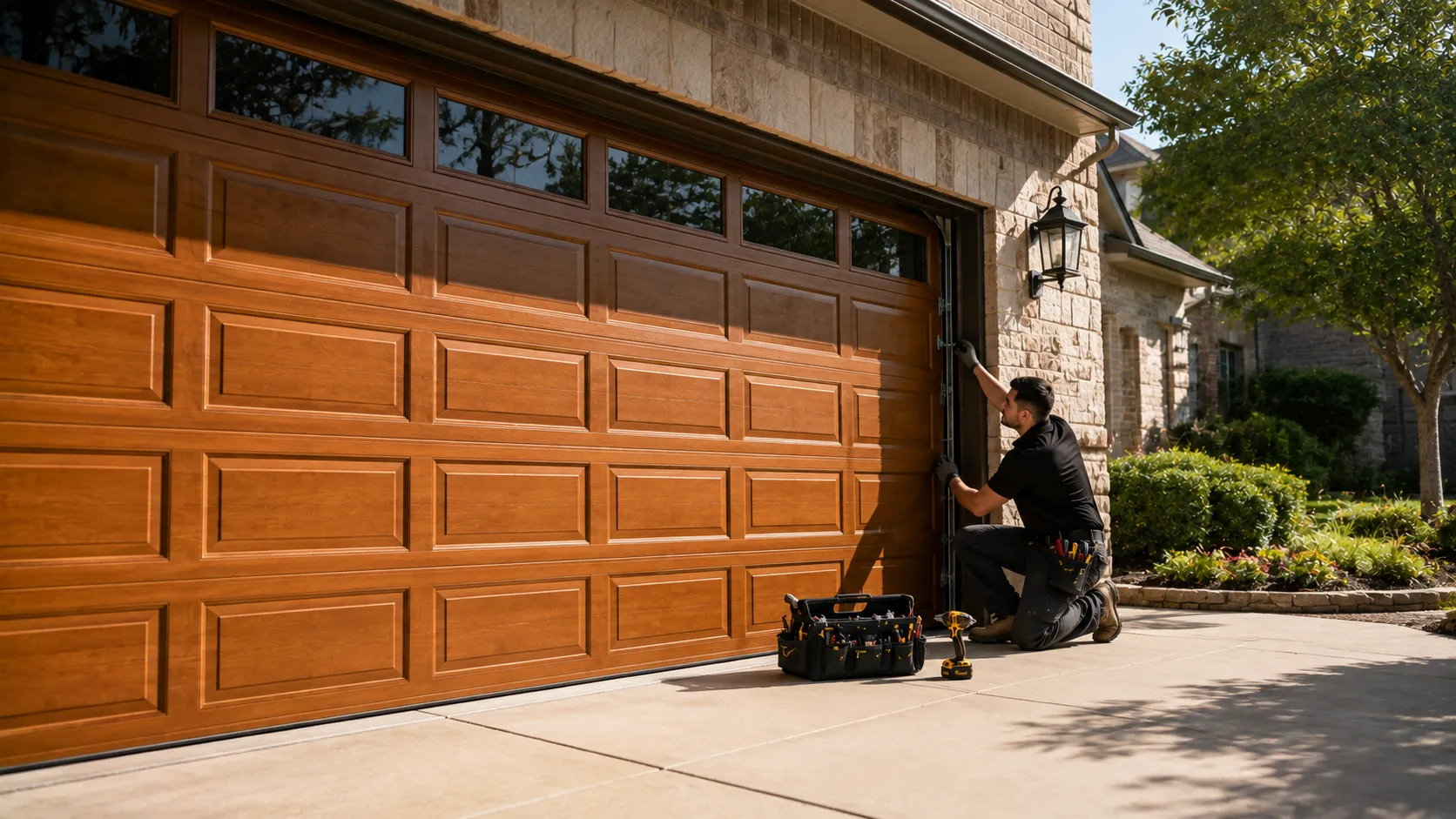
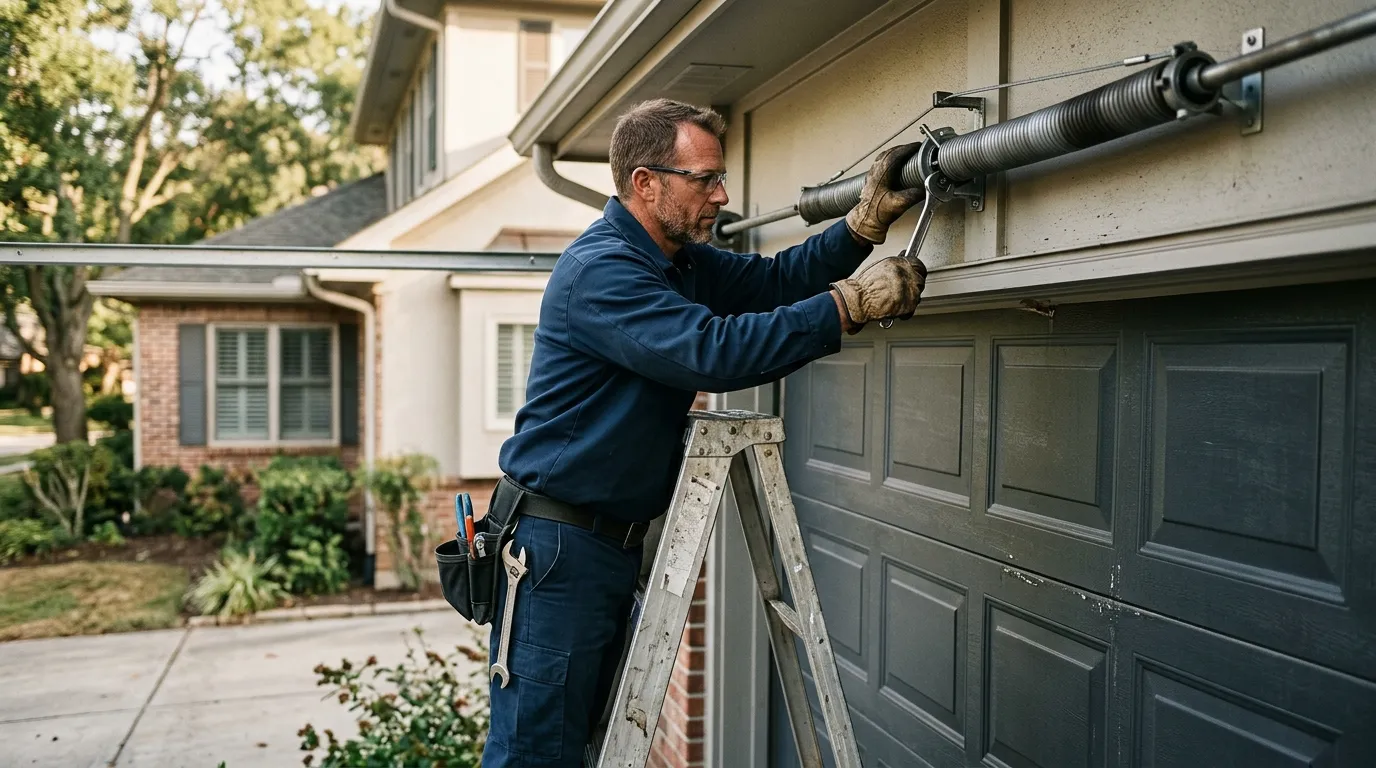
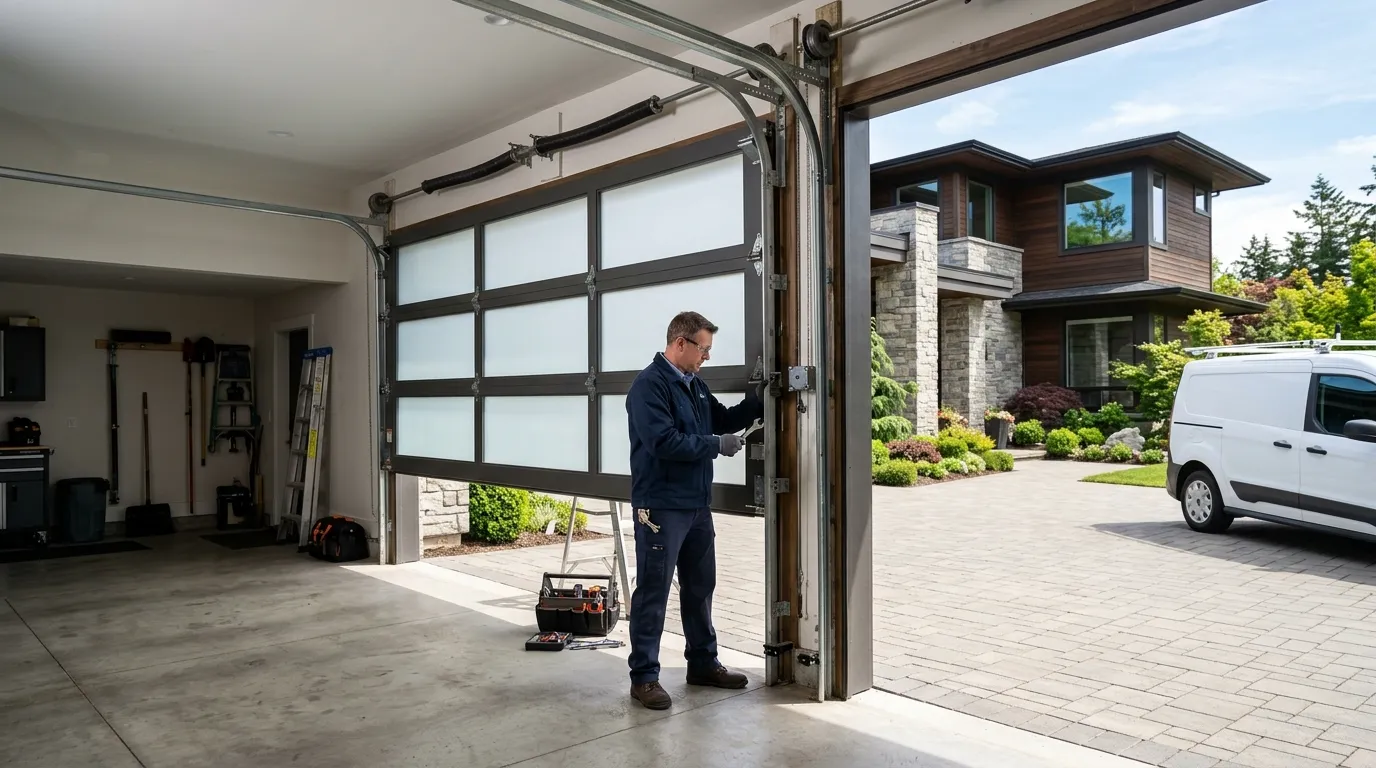
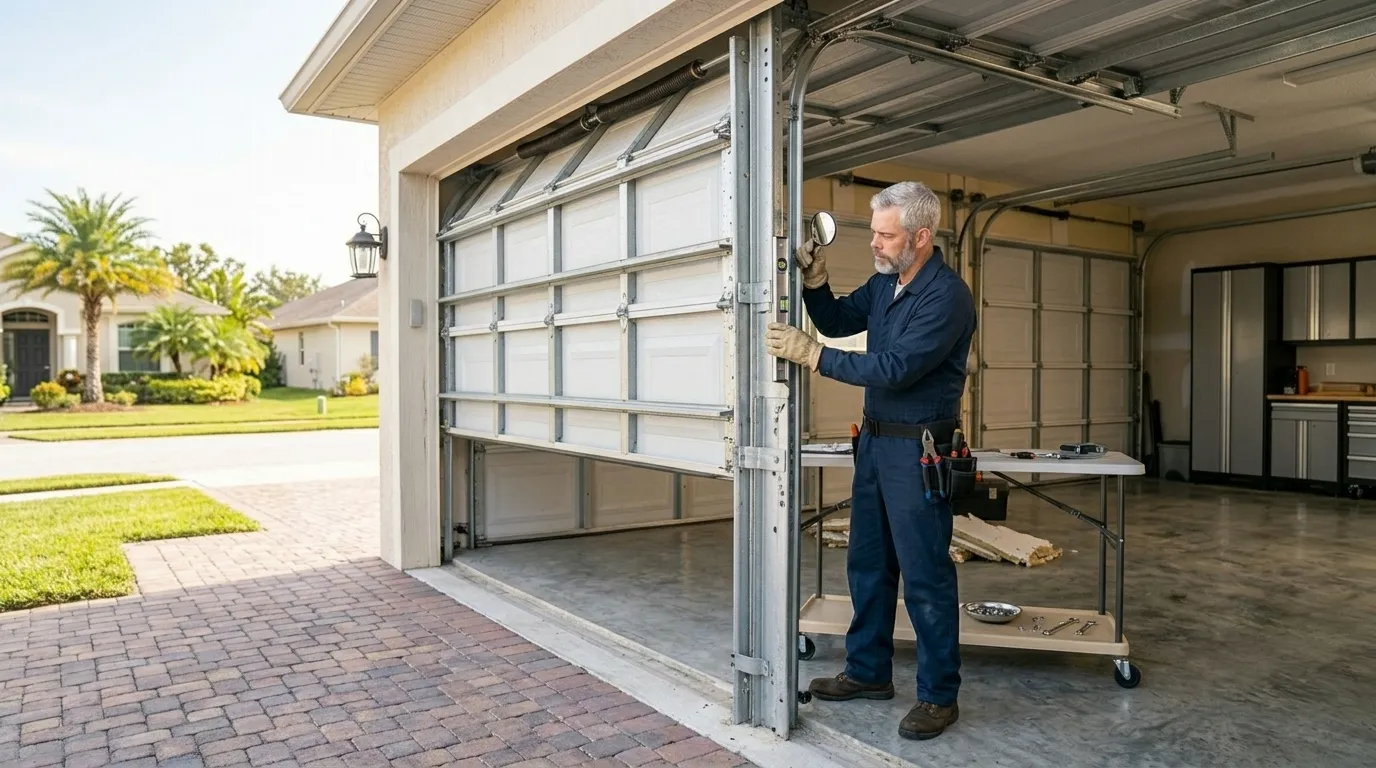
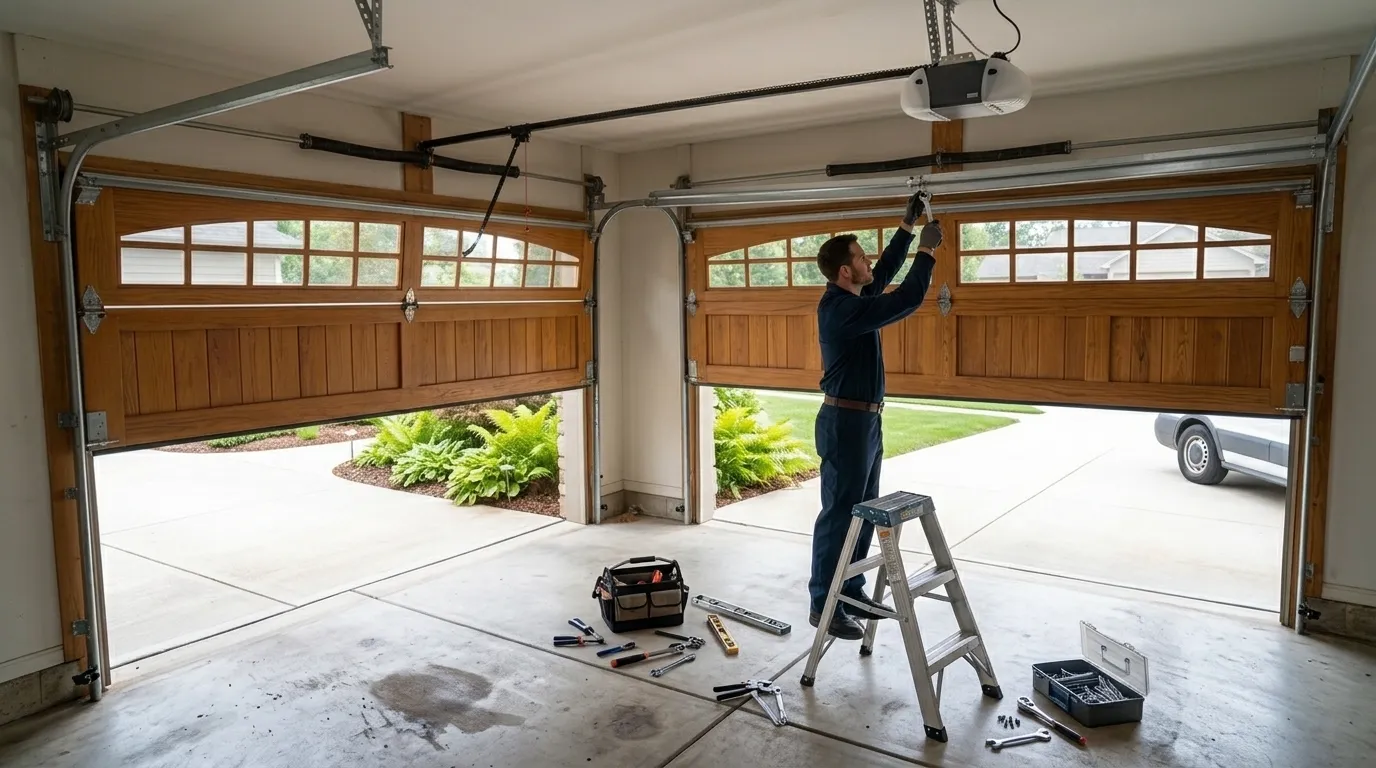
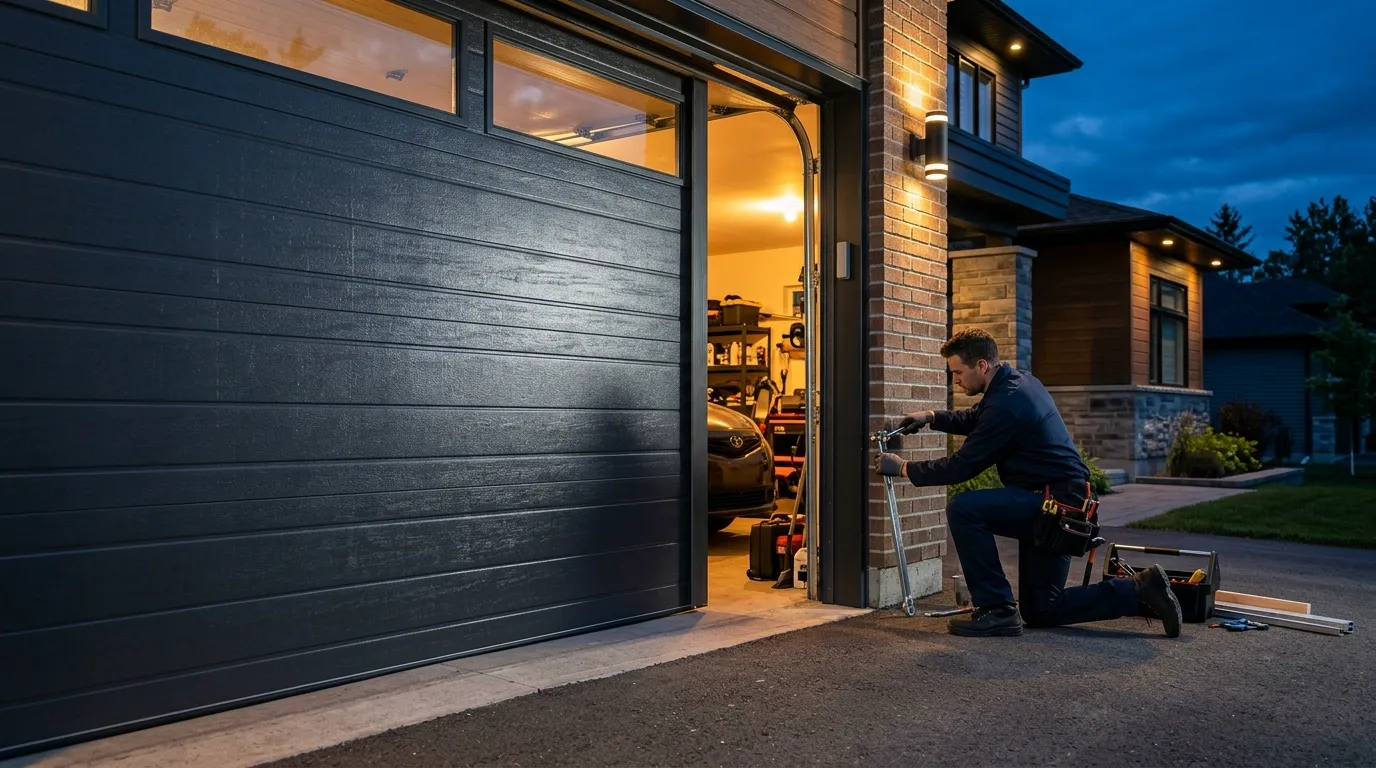
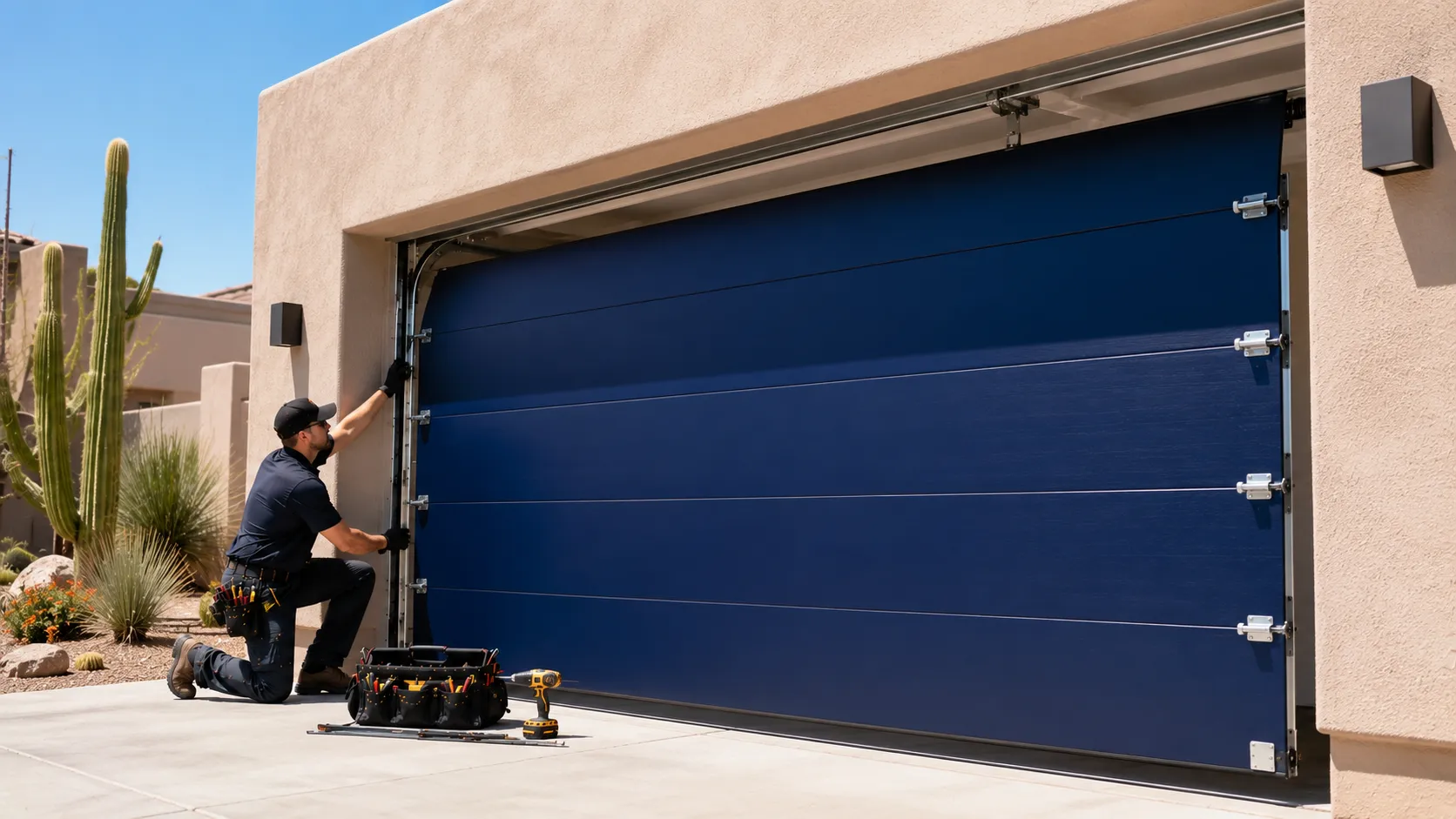
Most of what we see in Midway was built well after 2000, with a median build year around 2004 - noticeably newer than the older pockets closer to Orem where doors dating to the 1980s and earlier are still common. That matters for the calls we get. Instead of the original one-piece doors and side-mounted torsion springs that show up in older housing, Midway homes are far more likely to have factory-installed sectional doors with center-mounted torsion springs and steel rollers - hardware that's still findable and still standard, which makes most repairs straightforward rather than a hunt for obsolete parts.
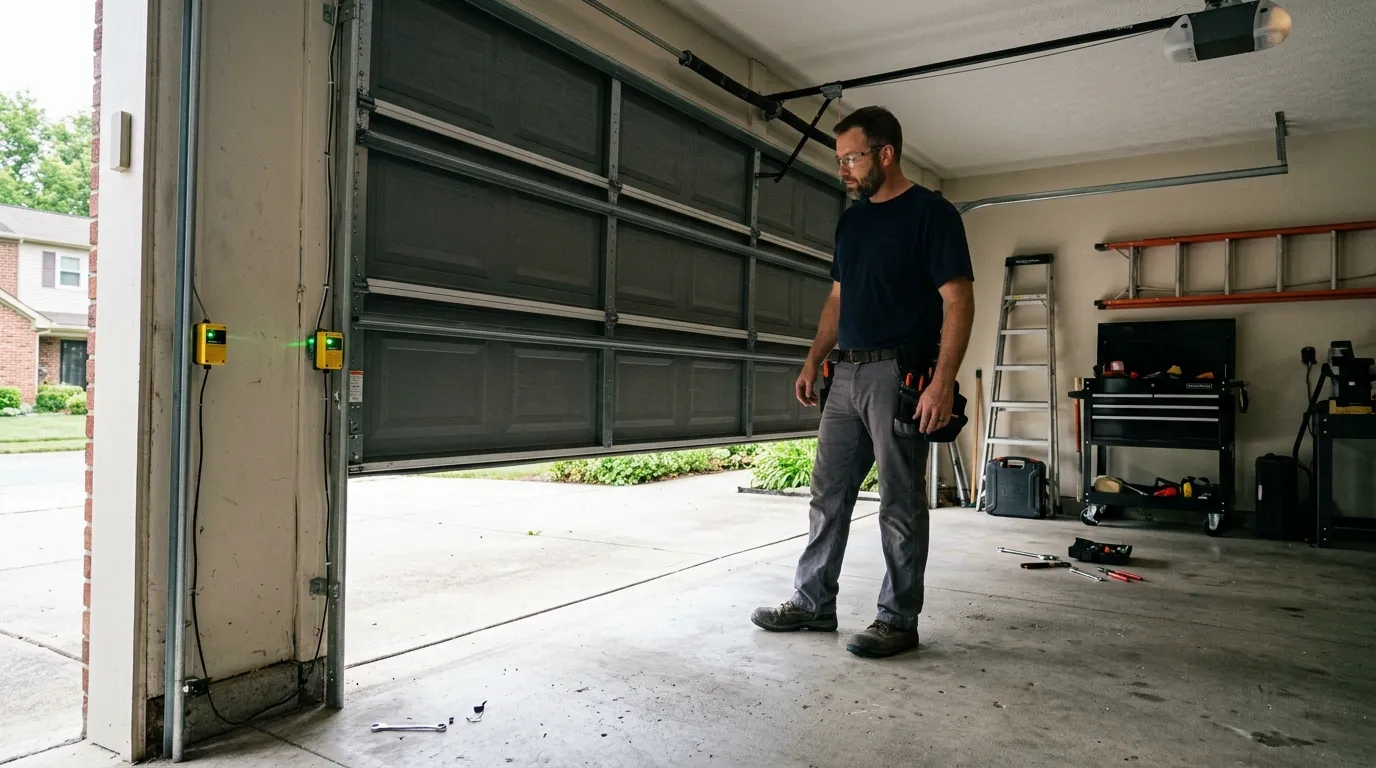
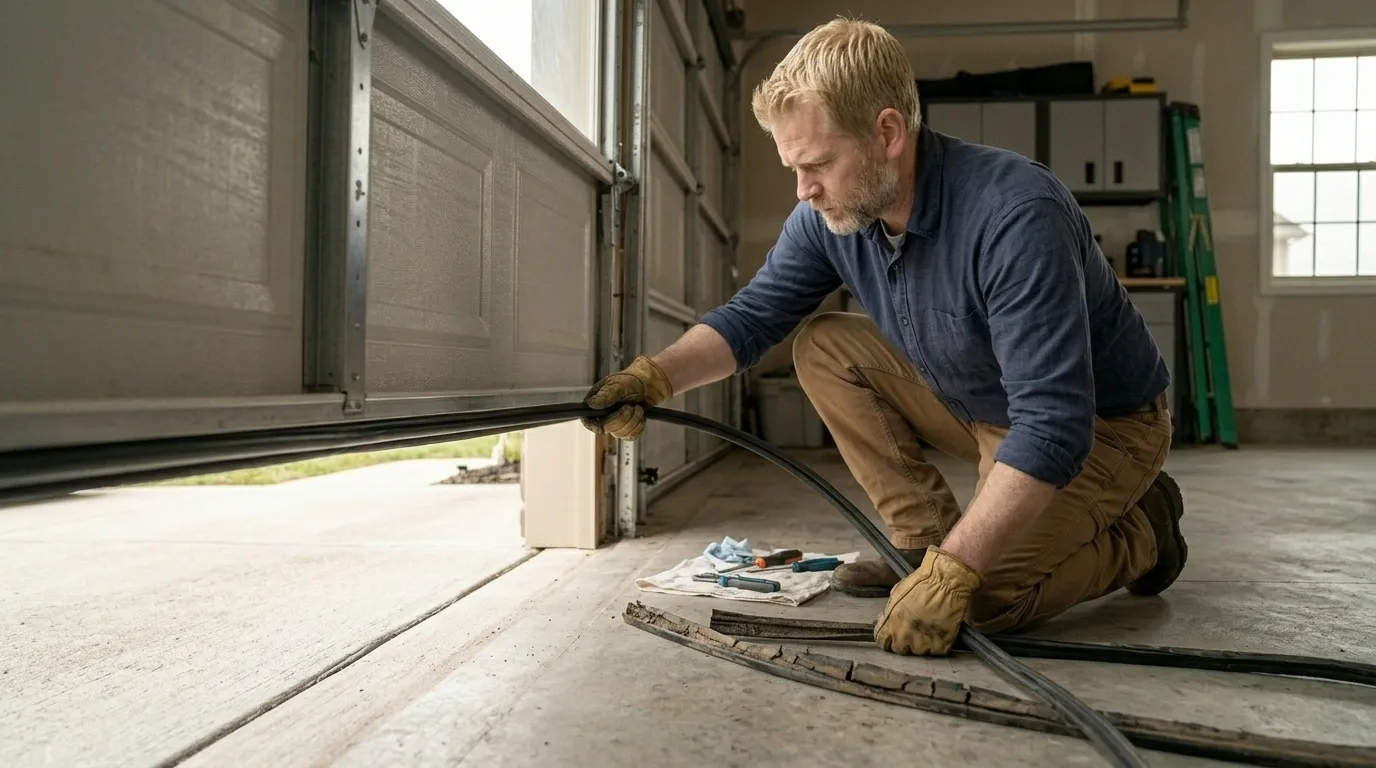
The failures we see out here tend to be wear-driven rather than age-driven: worn rollers, a cable starting to fray, an opener sensor knocked out of alignment, or a spring that's simply hit its cycle count. Cold-climate stress on seals and hardware still applies here like anywhere in the valley, but you're not fighting decades-old steel on top of it. That's a real difference, and it changes what we bring in the truck for a Midway call versus an older neighborhood closer to Orem.