When We Can Get There
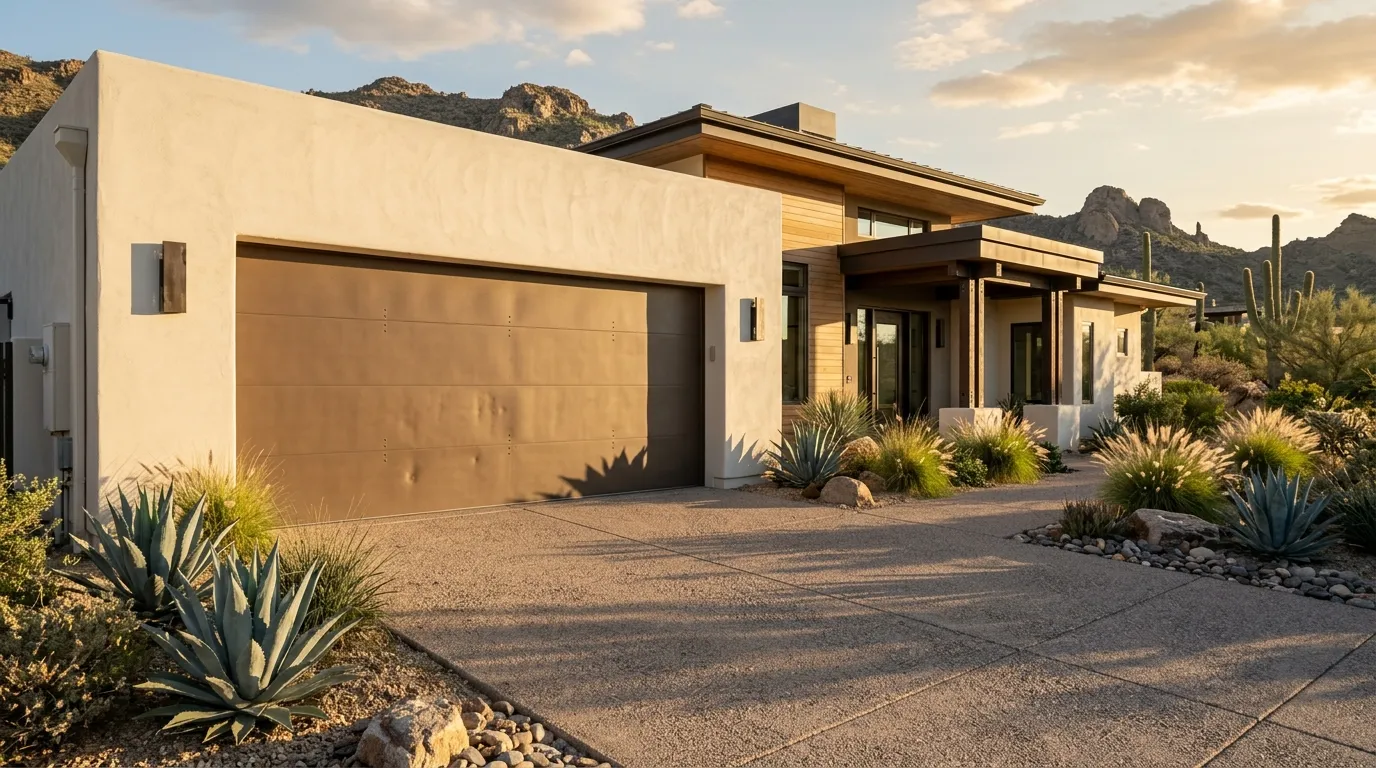
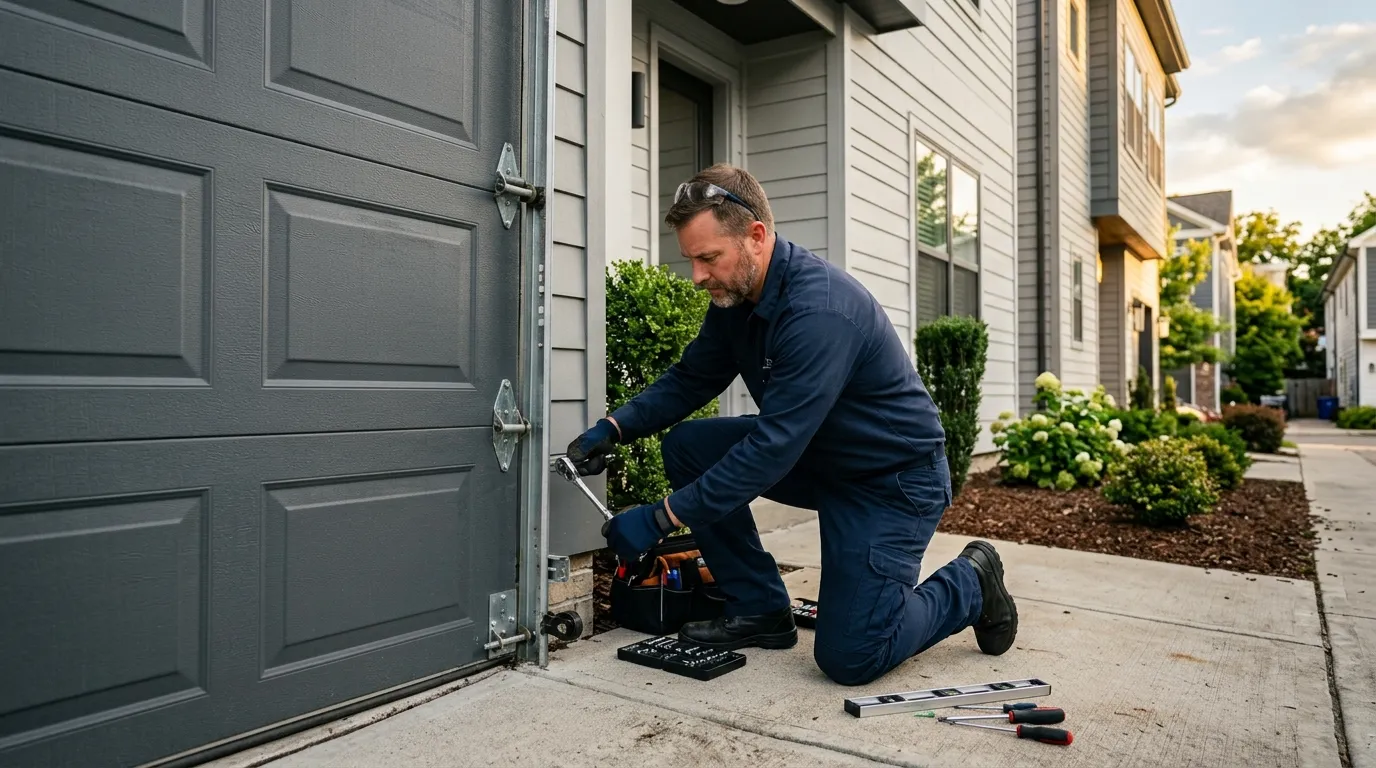
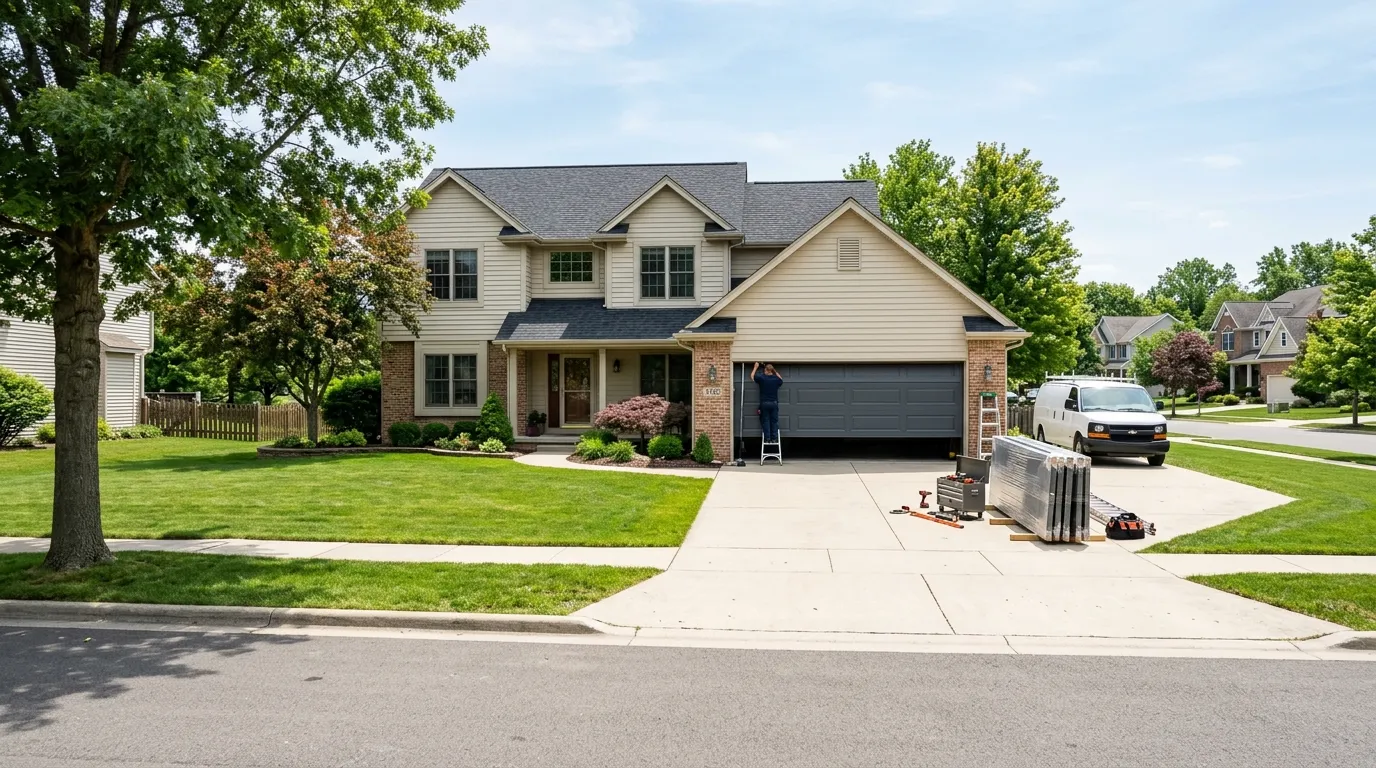
Saratoga Springs households number around 10,870, smaller than some of the older, denser parts of our coverage area, and the housing here skews newer - median build year 2011, well past the 1977-2015 range that describes the wider service area and a couple decades ahead of the 1999 area-wide median. That newer stock tends to need less emergency intervention: less rust on tracks, fewer springs that have quietly stretched past spec without anyone noticing. So a lot of what comes out of Saratoga Springs is scheduled work - opener upgrades, sensor alignment, panel dings - rather than a door that's jumped its track at 6 a.m.
We still treat a broken spring or a door stuck shut as the priority it is regardless of where it sits on the map. The point isn't that Saratoga Springs waits longer or shorter - it's that the mix of calls coming from here looks different than the mix coming from a neighborhood built in the 1980s, and that shapes what we load on the truck before we leave Orem.
How That Shows Up in the Door
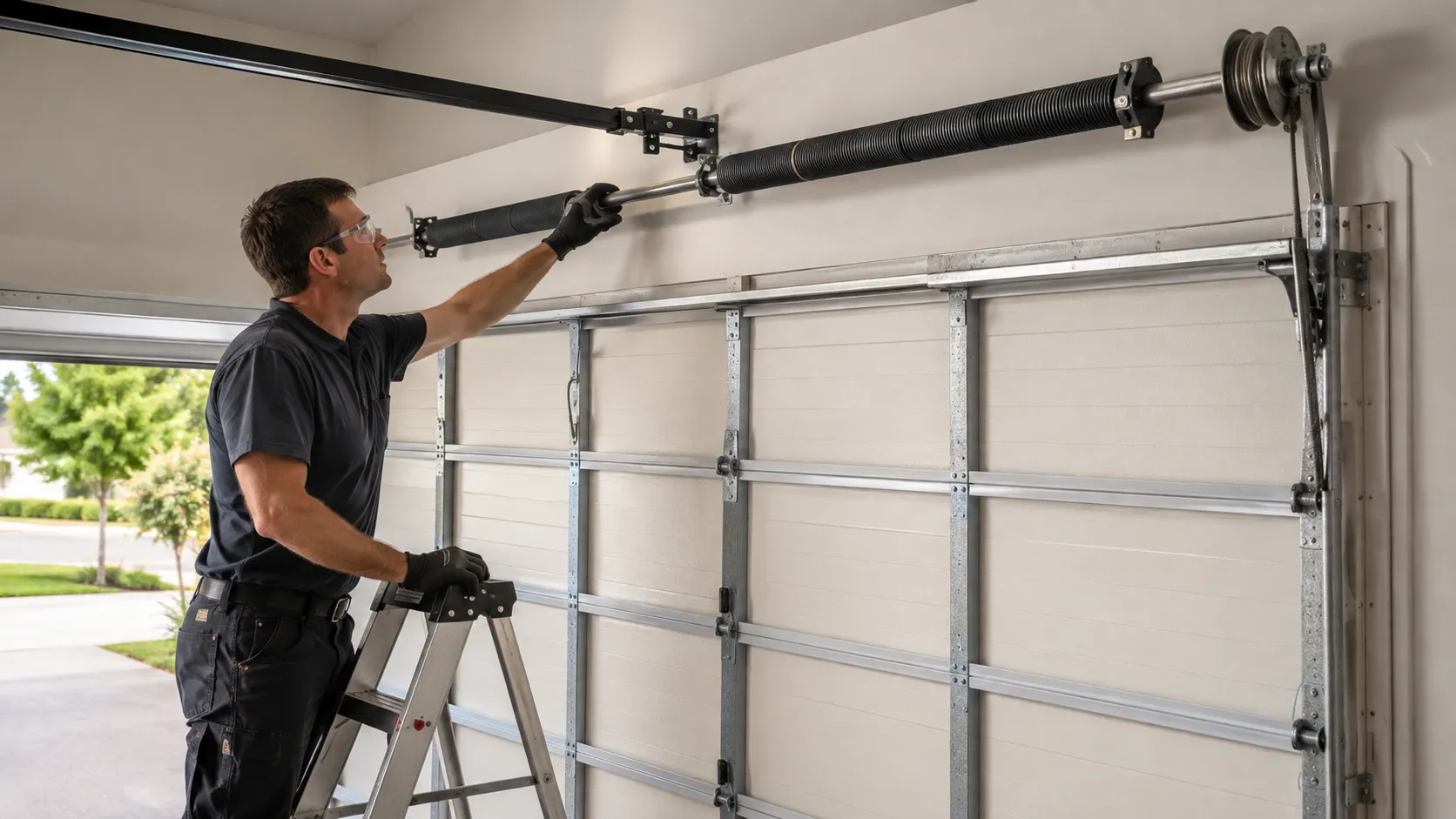
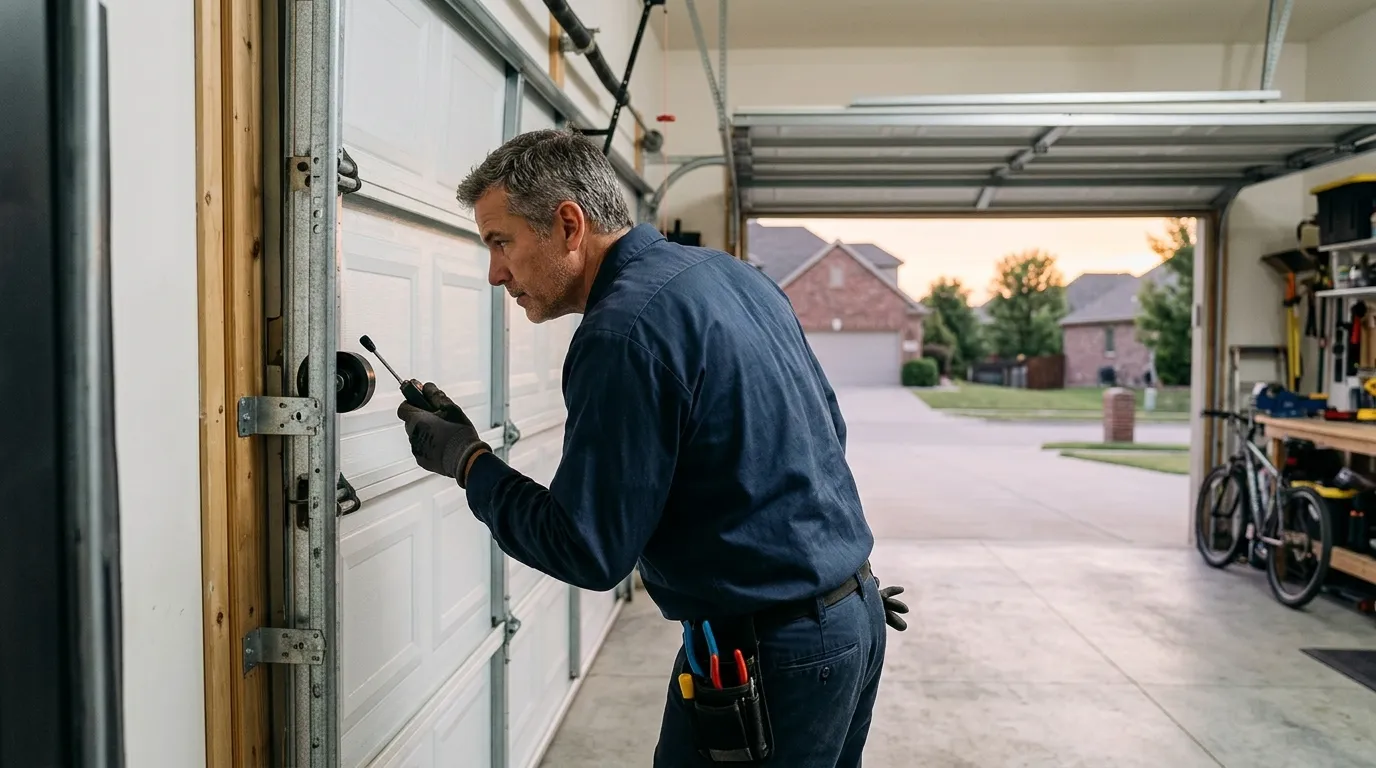
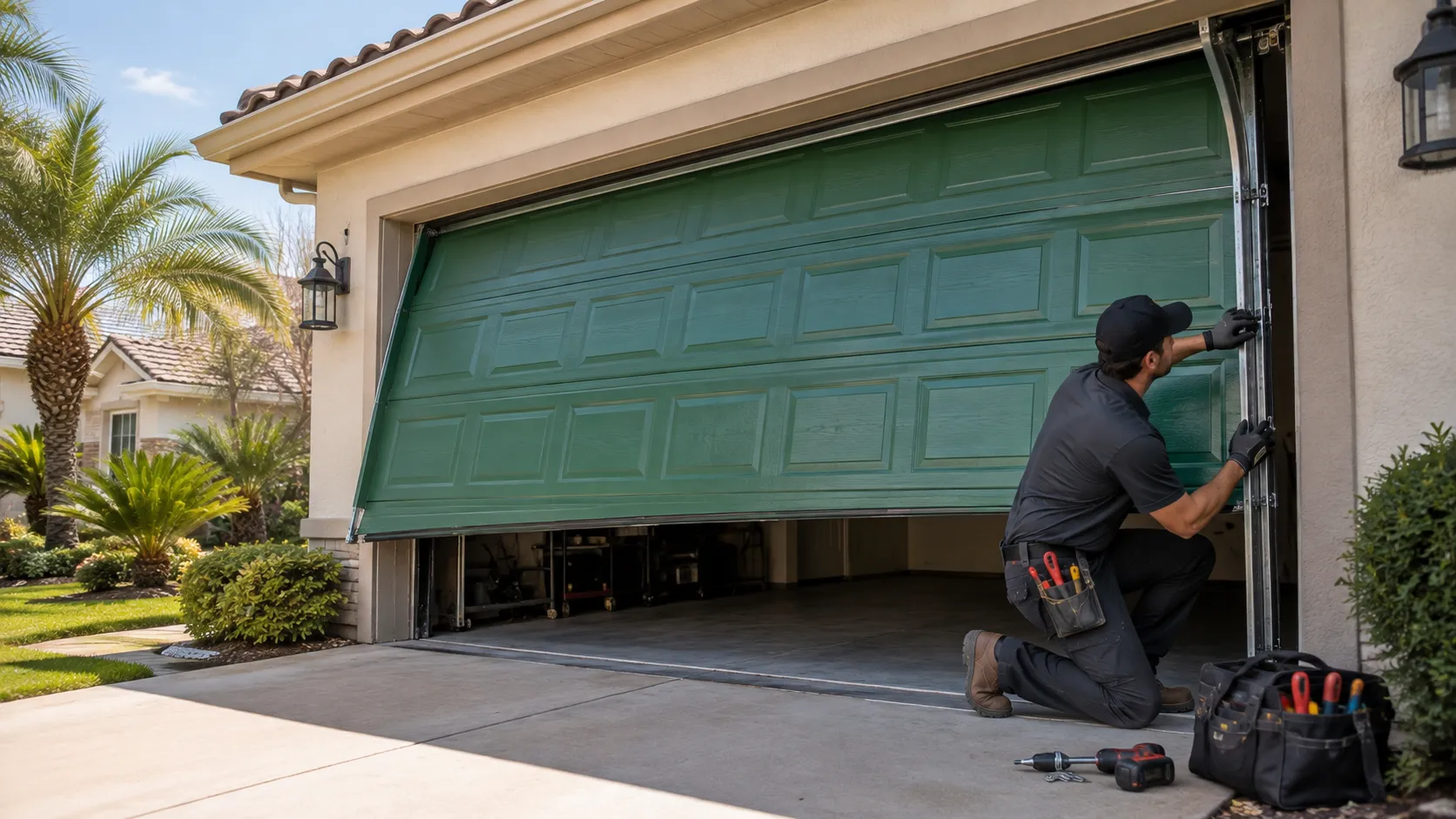
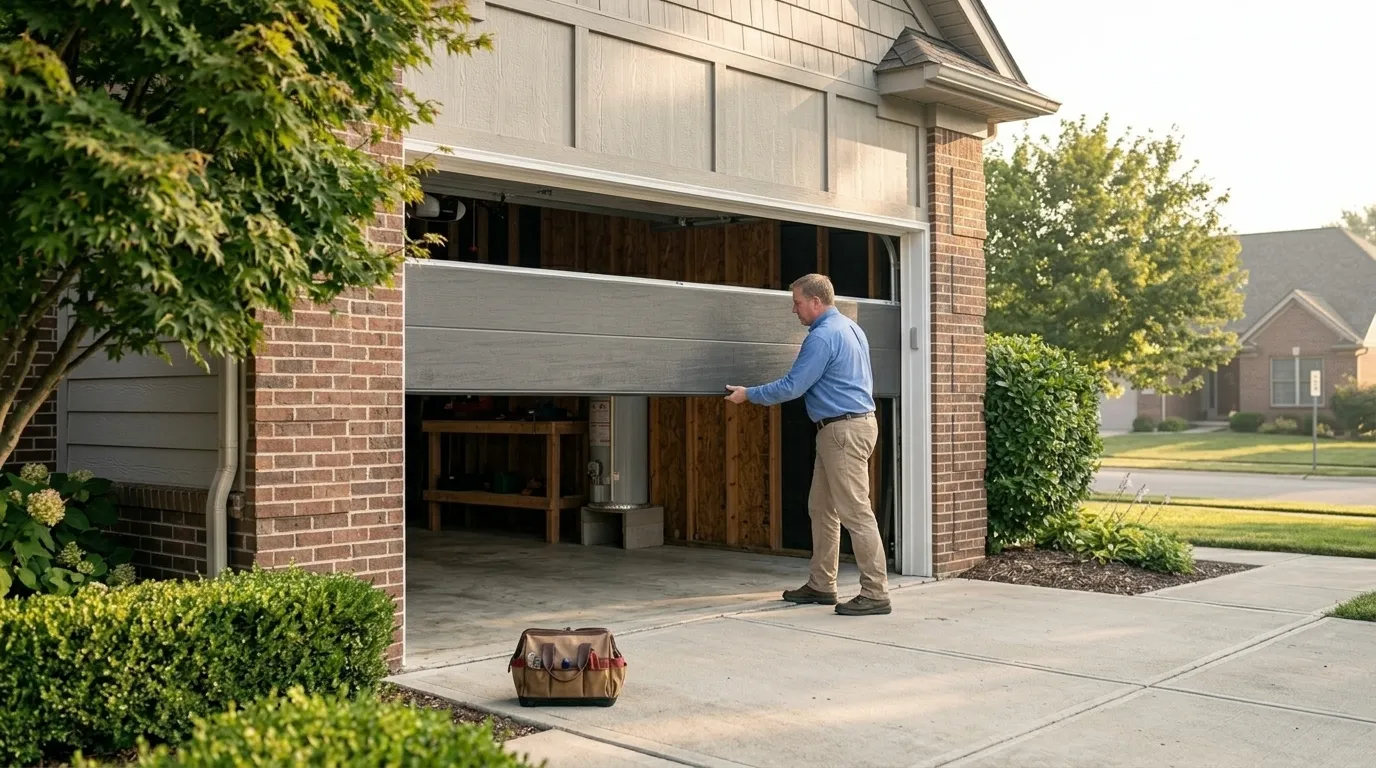
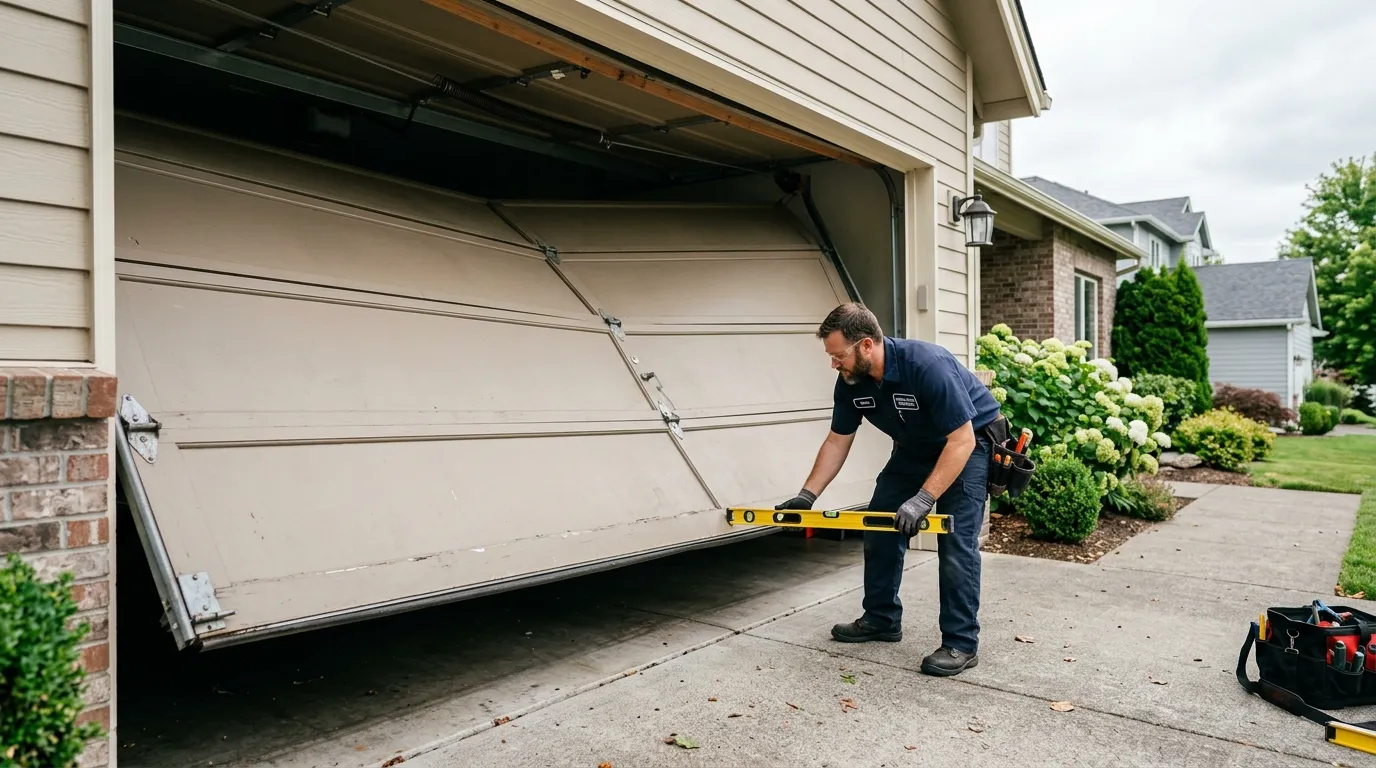
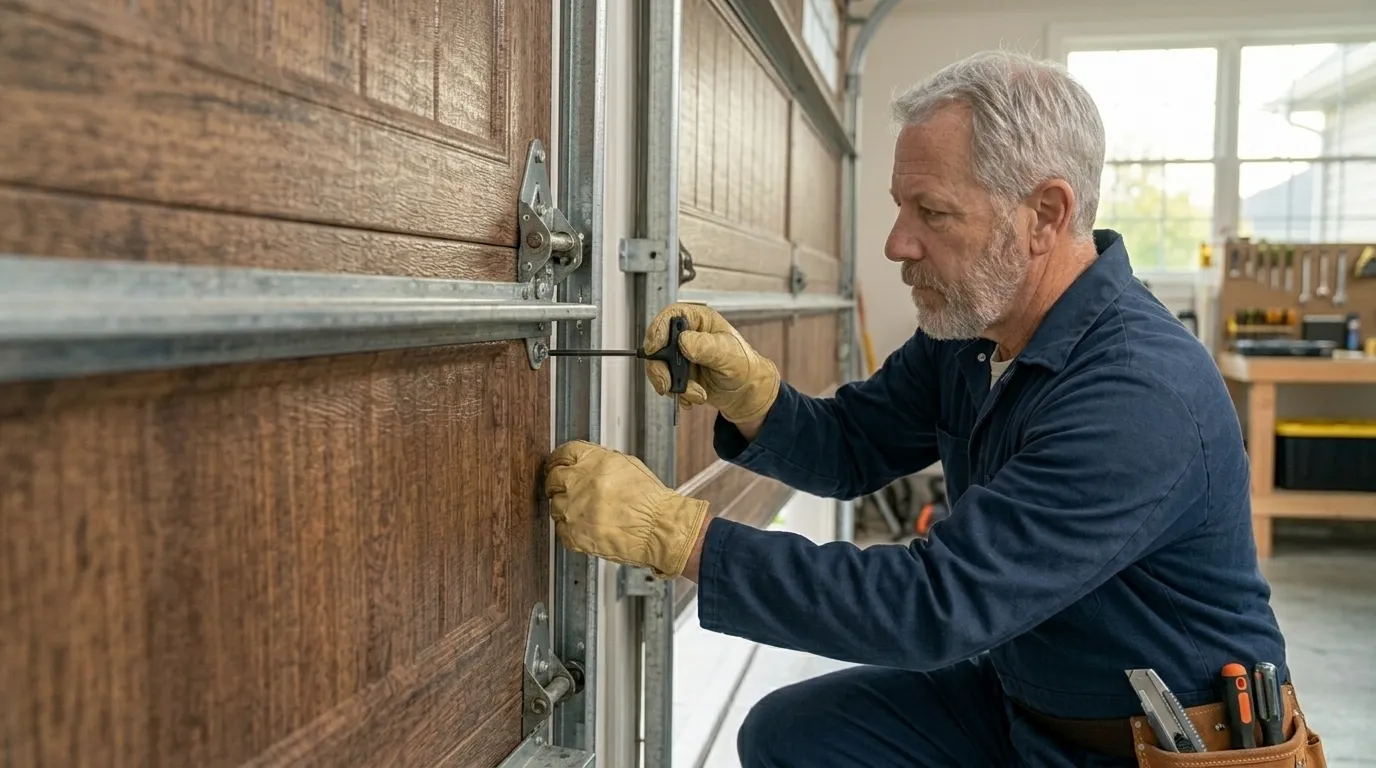
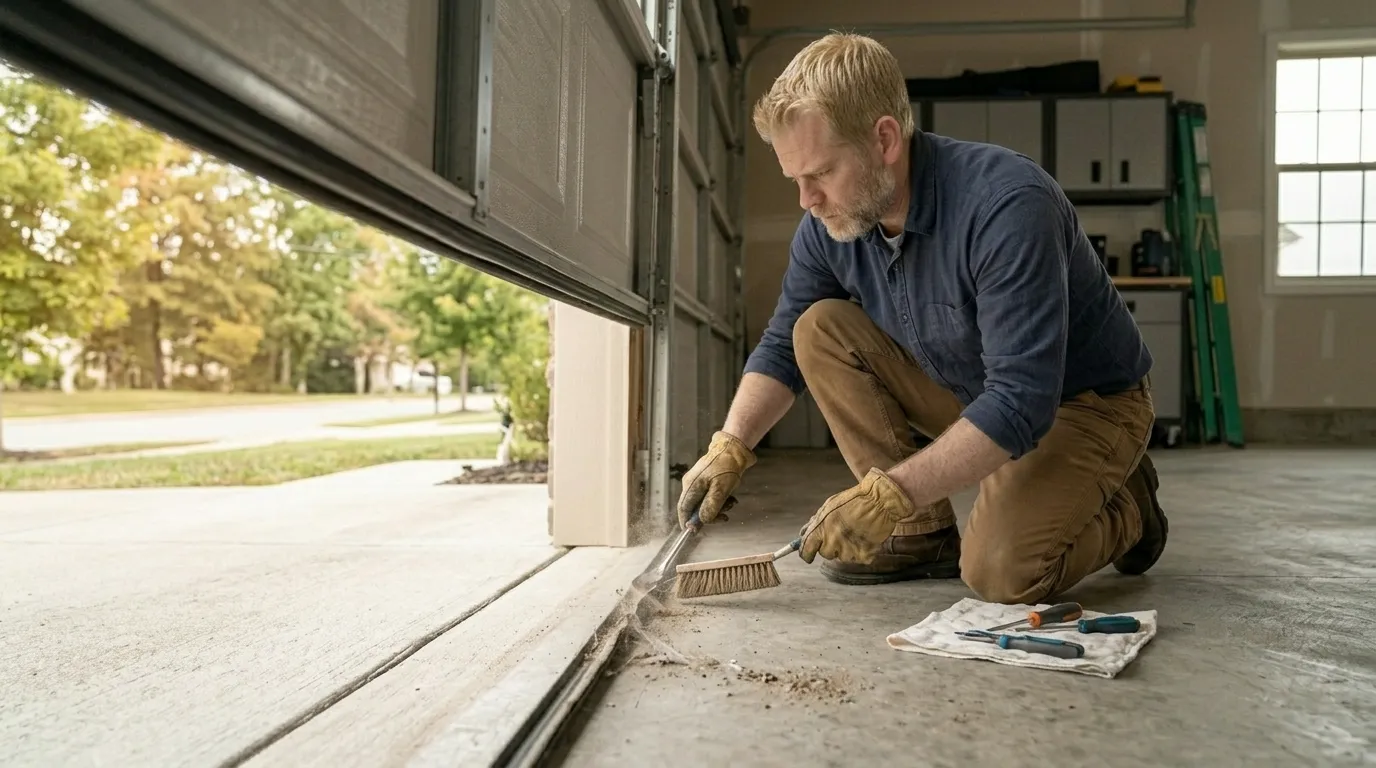
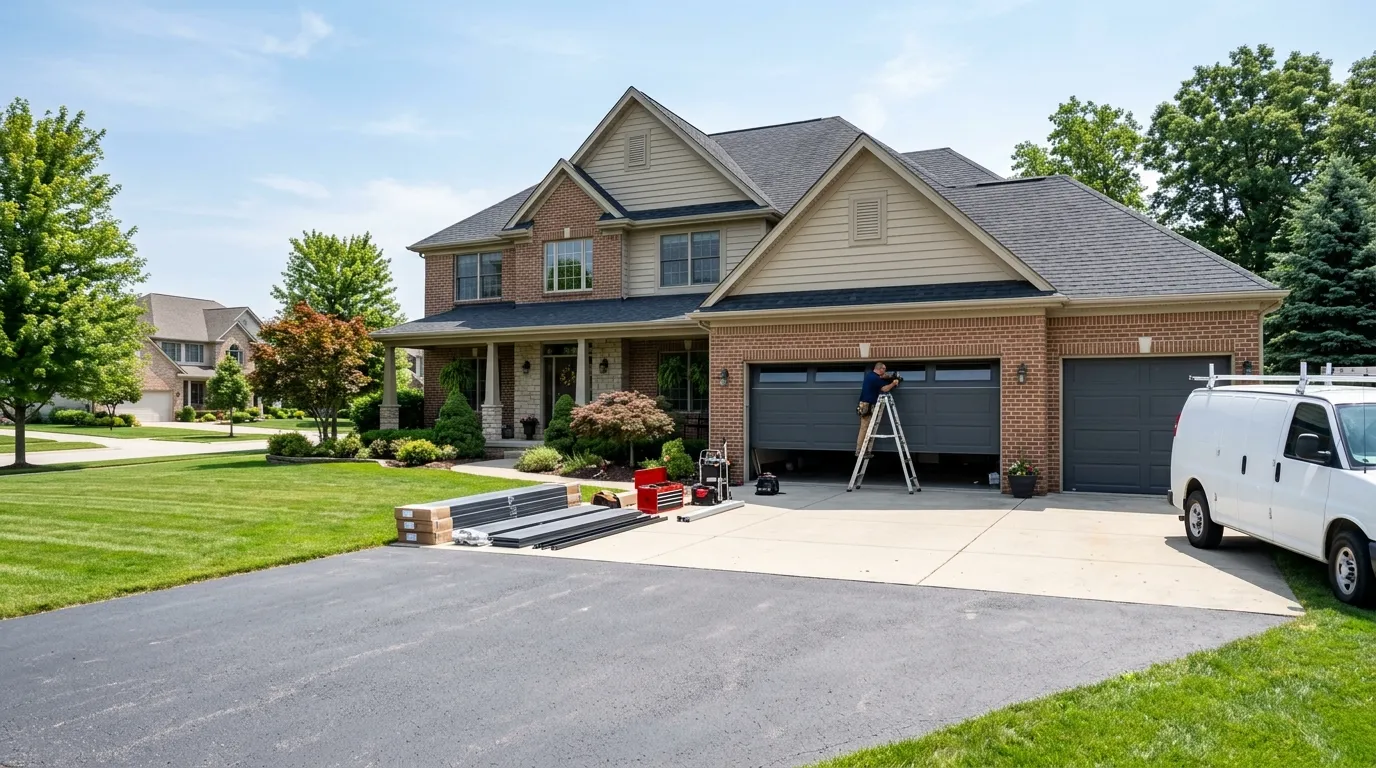
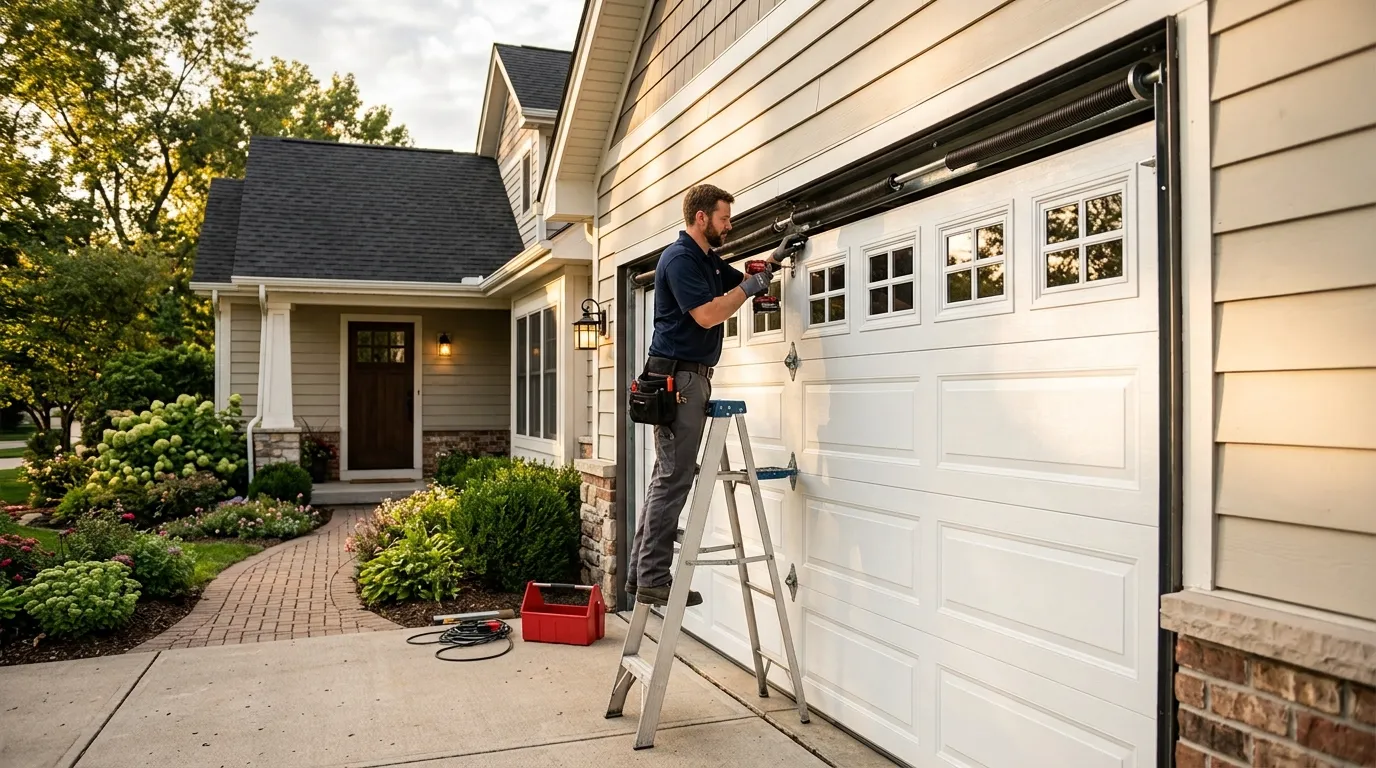
A house built around 2011 in Saratoga Springs almost always has a factory-installed steel or insulated door on a standard torsion system with a modern belt or chain-drive opener - nothing exotic, nothing pieced together over decades of partial replacements. Compare that to older stock elsewhere in our area built in the 1980s and 90s, where you'll find mismatched hardware from repairs done by three different owners over thirty years. Here, when something fails, it's usually a single clean cause: a worn roller, a sensor that's drifted out of alignment, a spring that's simply reached the end of its cycle count rather than one that's been jury-rigged for years.
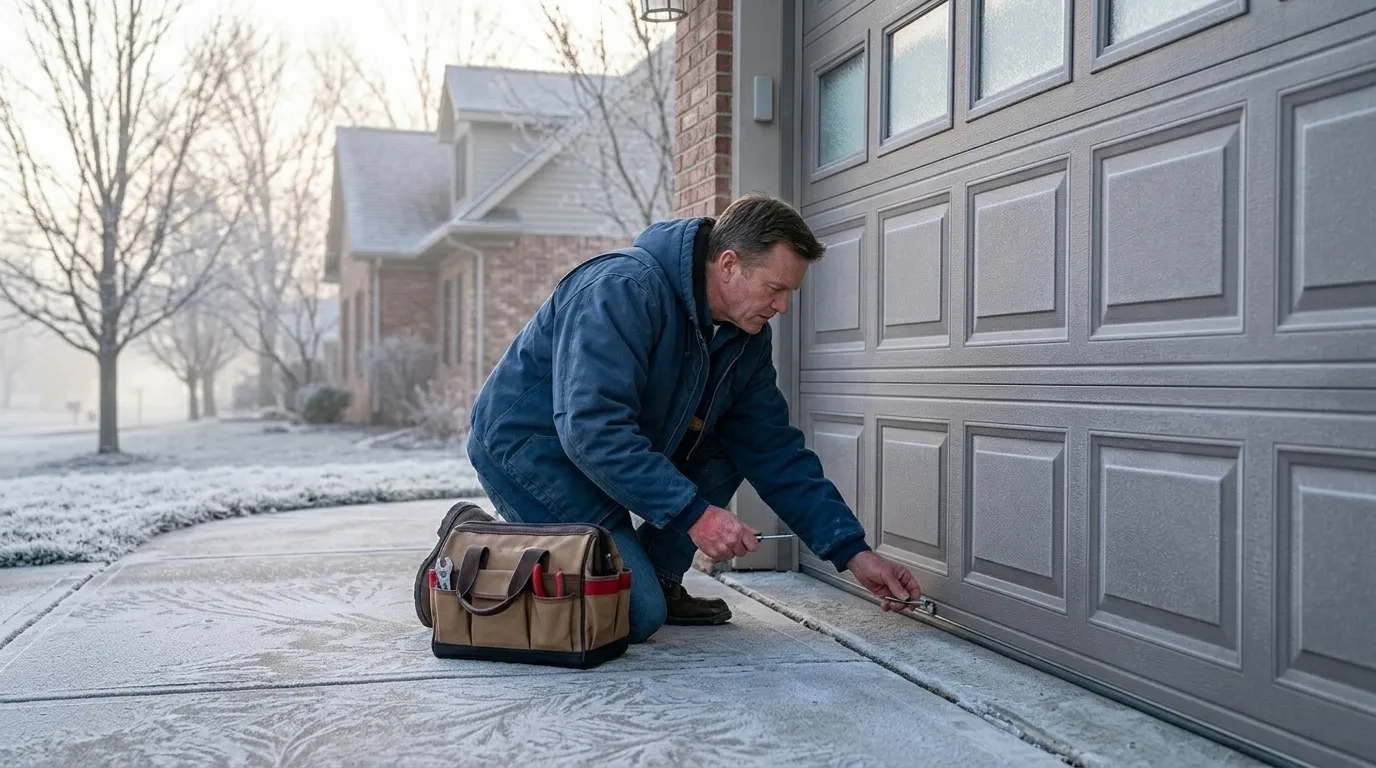
The cold-moderate climate this whole area sits in still matters regardless of build year - metal contracts, lubricant thickens, and openers work harder on the coldest mornings no matter how new the door is. But you're less likely to be dealing with warped panels or track rust that's been building since the Reagan administration. Newer doesn't mean maintenance-free, it means the faults are more predictable and usually cheaper to fix.