When We Can Get There
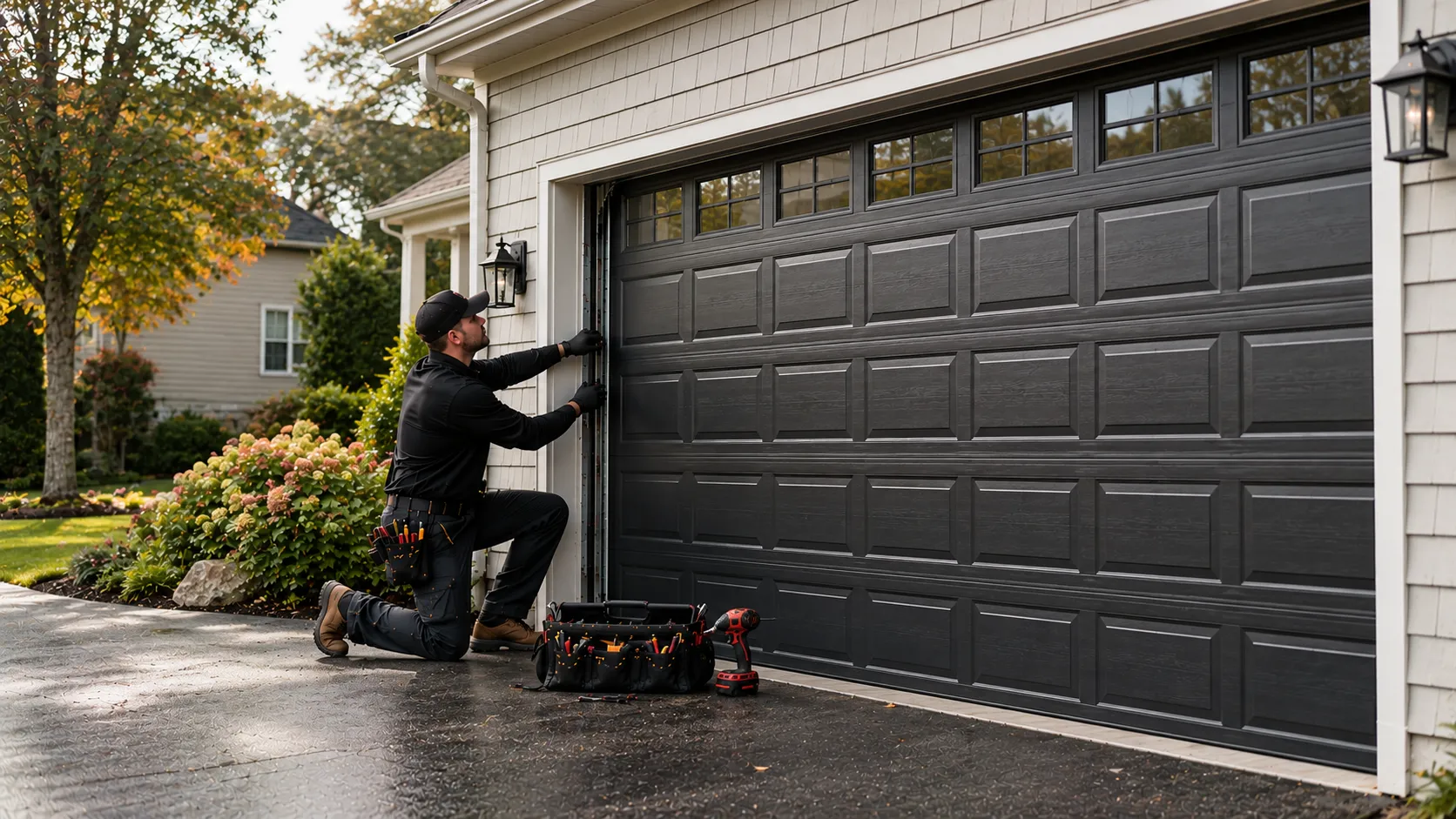
We don't keep a crew stationed in Vineyard, so every job here starts with a drive from Orem. At 3 miles that drive is short enough that timing is rarely the bottleneck - what matters more is whether the part on the truck matches what your door needs, and in a town built mostly after 2015 that's a real question, not a formality.
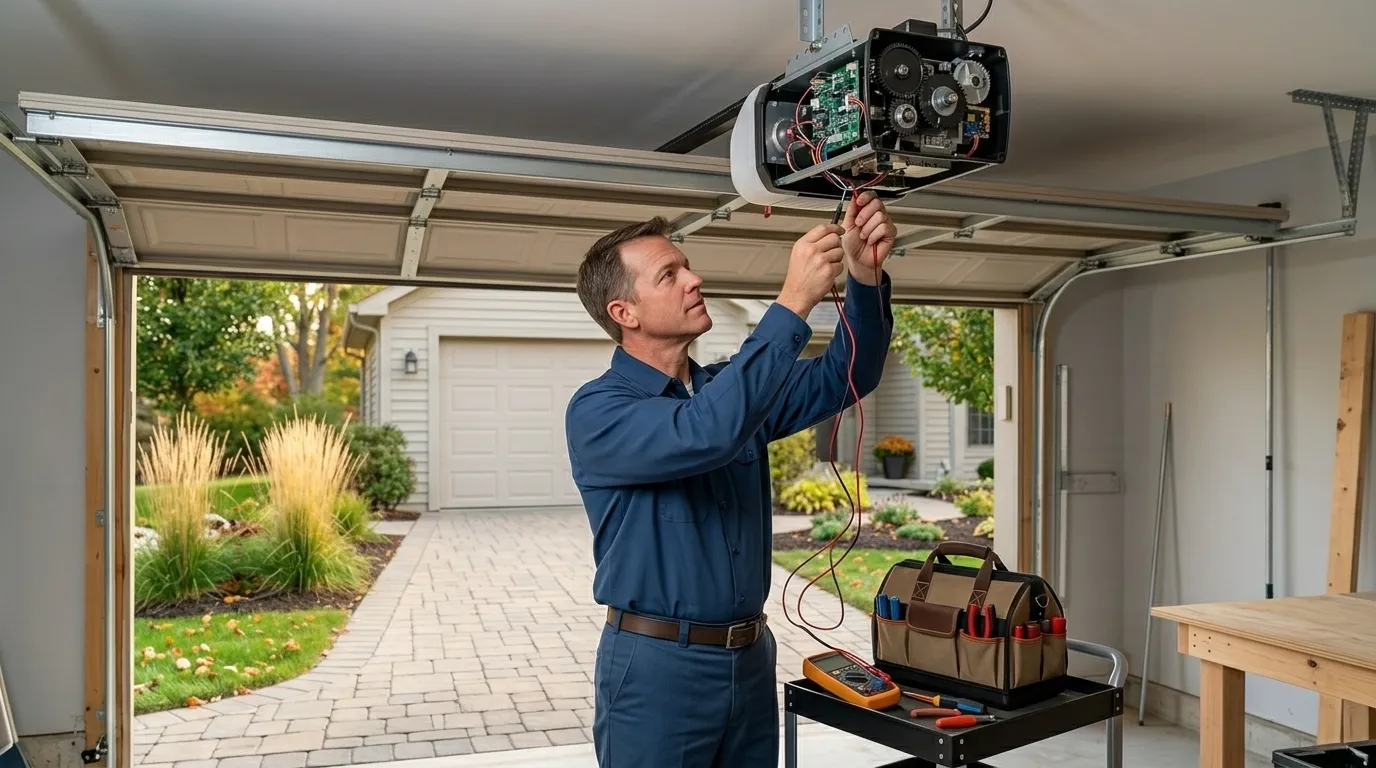
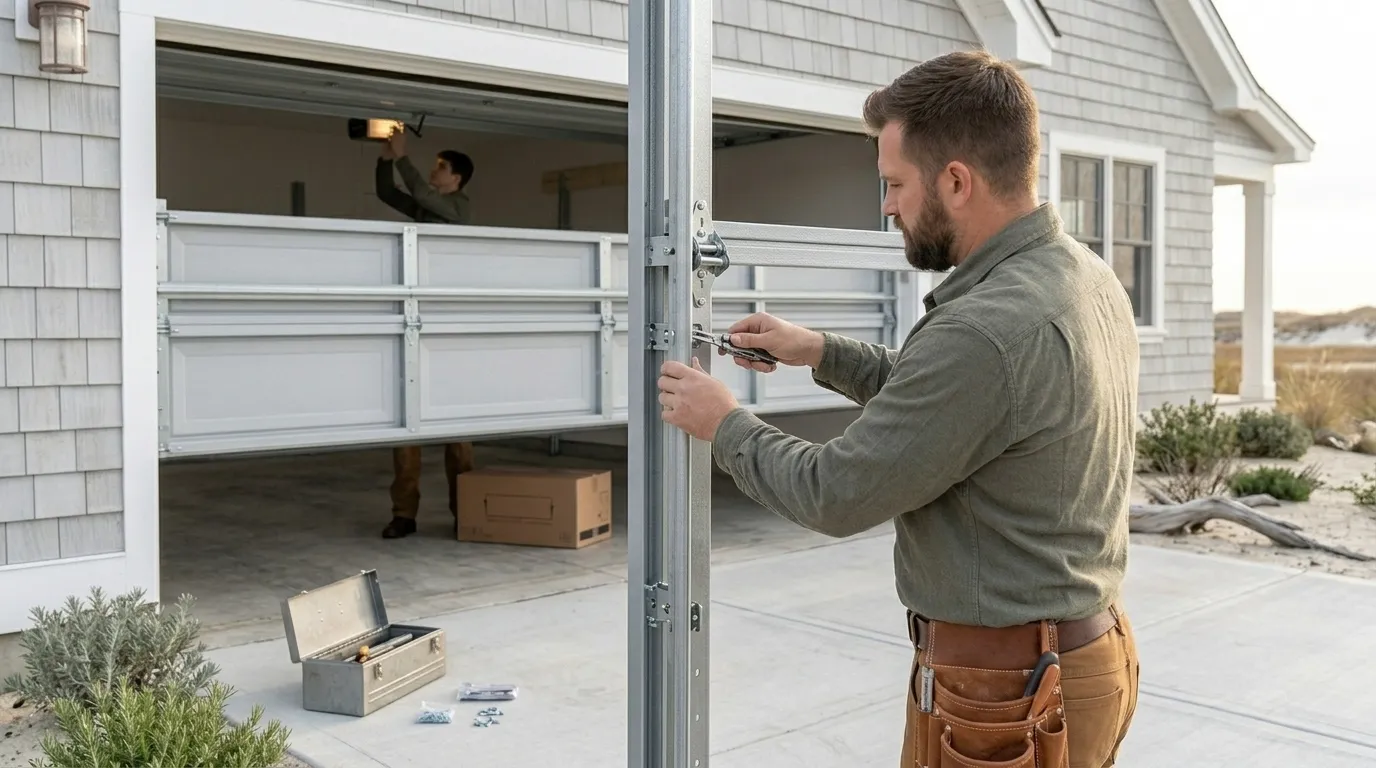
Older torsion springs, worn extension cables, and dated wall switches are less common here than in neighborhoods built decades earlier. What we run into more in Vineyard is newer opener electronics, factory photo-eye sensors that have drifted out of alignment, and hardware still under a builder's original install rather than a repair history. We stock for both realities, but we ask a few questions on the phone first so the truck rolls with the right parts instead of a generalist's guess.
How That Shows Up in the Door
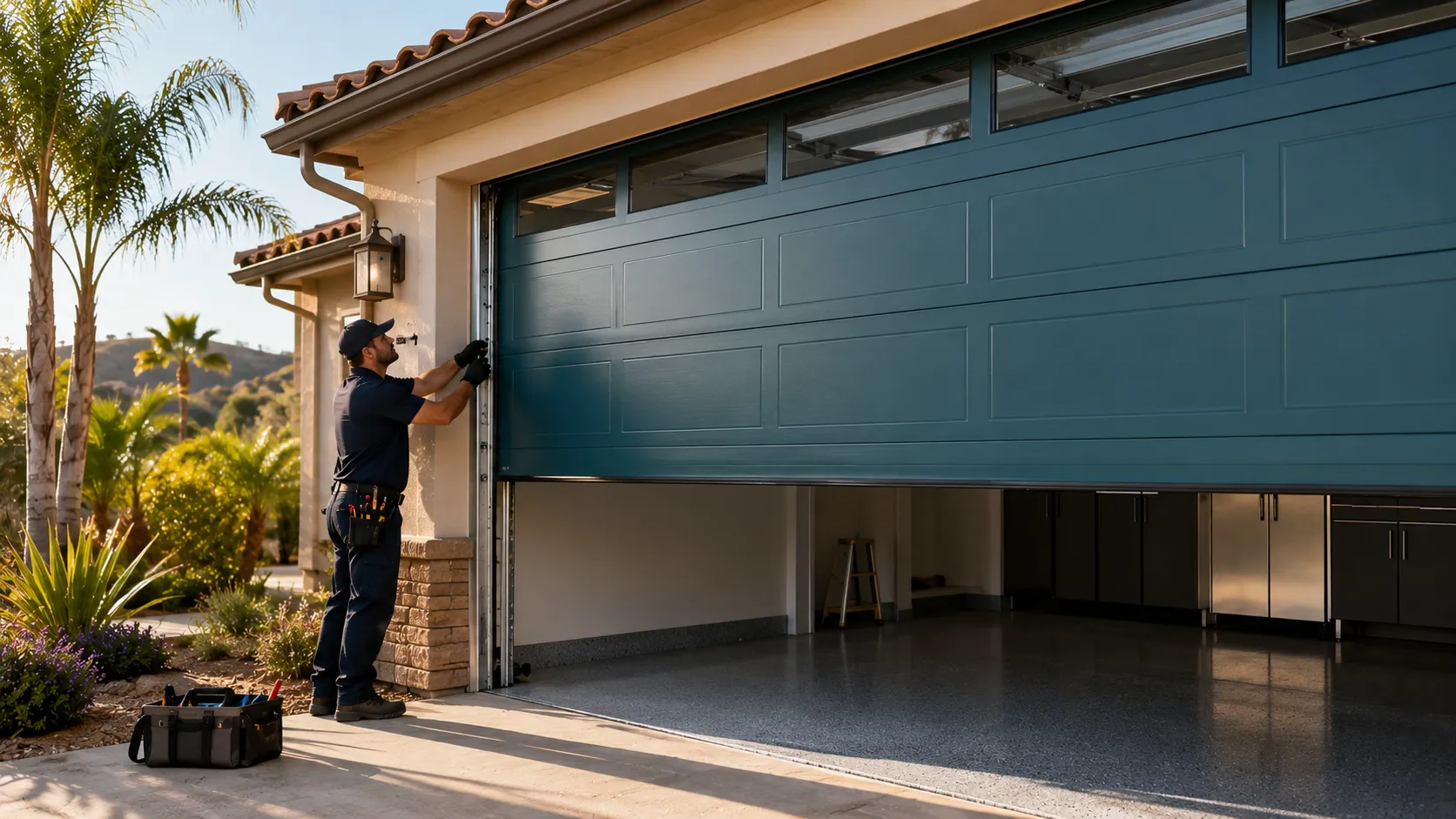
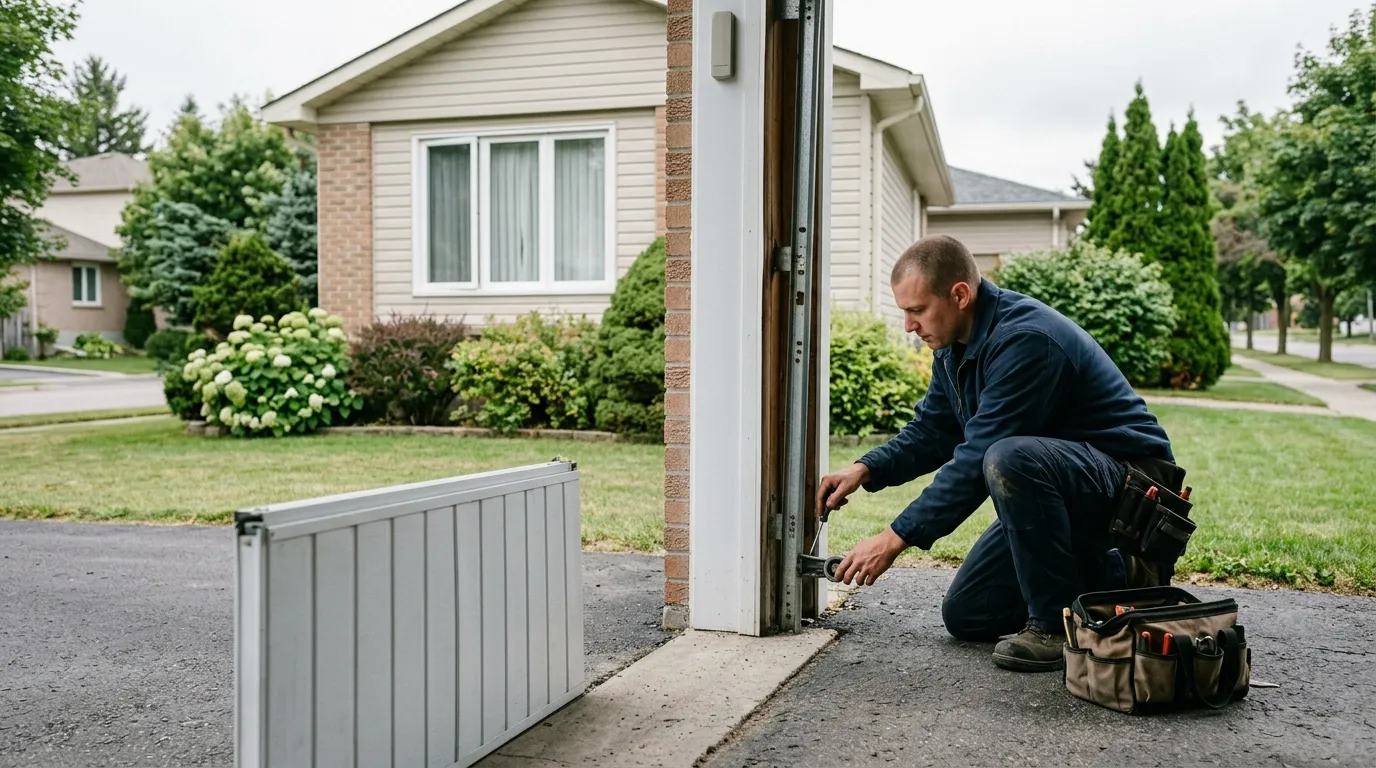
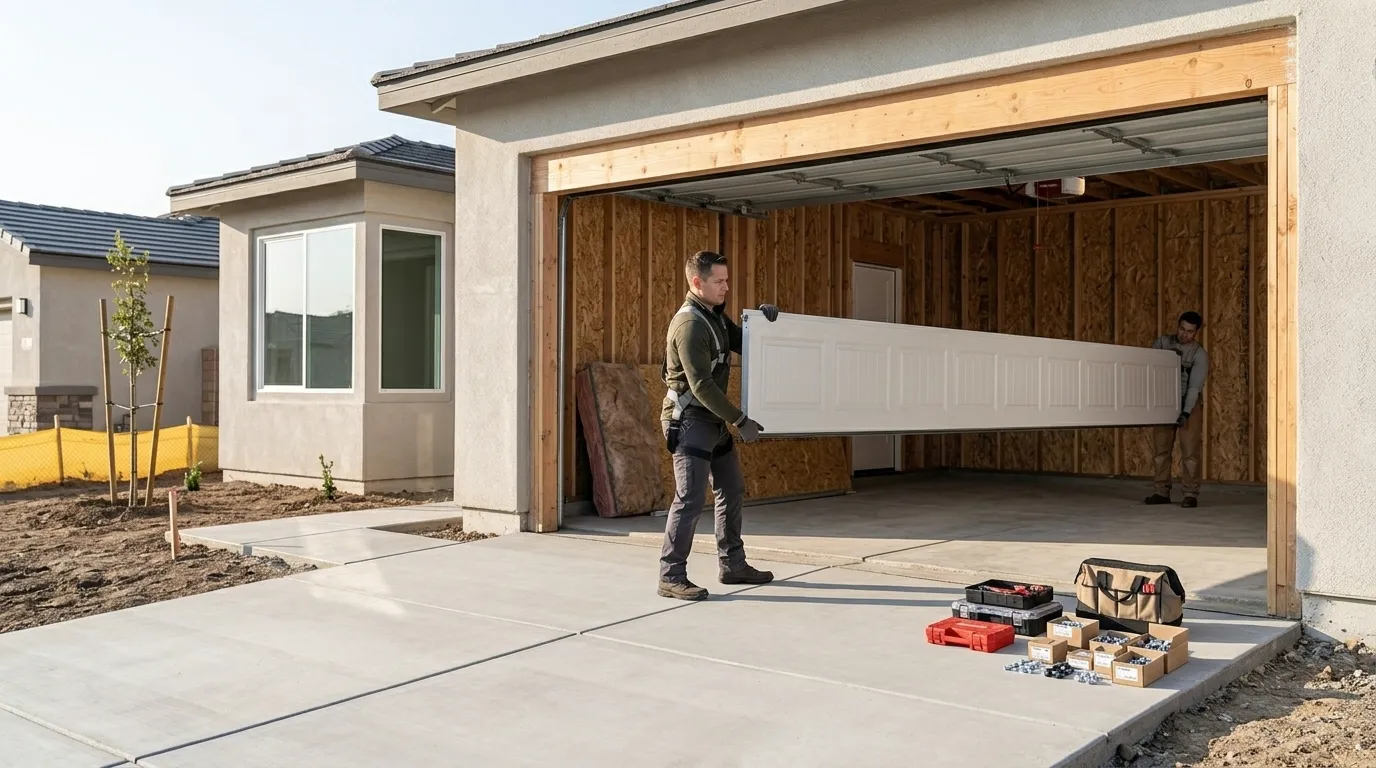
This is the part that actually separates Vineyard from the rest of our coverage area. Most of the towns we serve have housing stock stretching back to the 1980s and 90s, with a lot of original one-piece doors and older torsion setups. Vineyard doesn't look like that. It's one of the newest built-out areas we cover, with a median build year around 2015, which means the doors, tracks, and openers here are largely first-generation installs rather than decades-old hardware nursed through repairs.
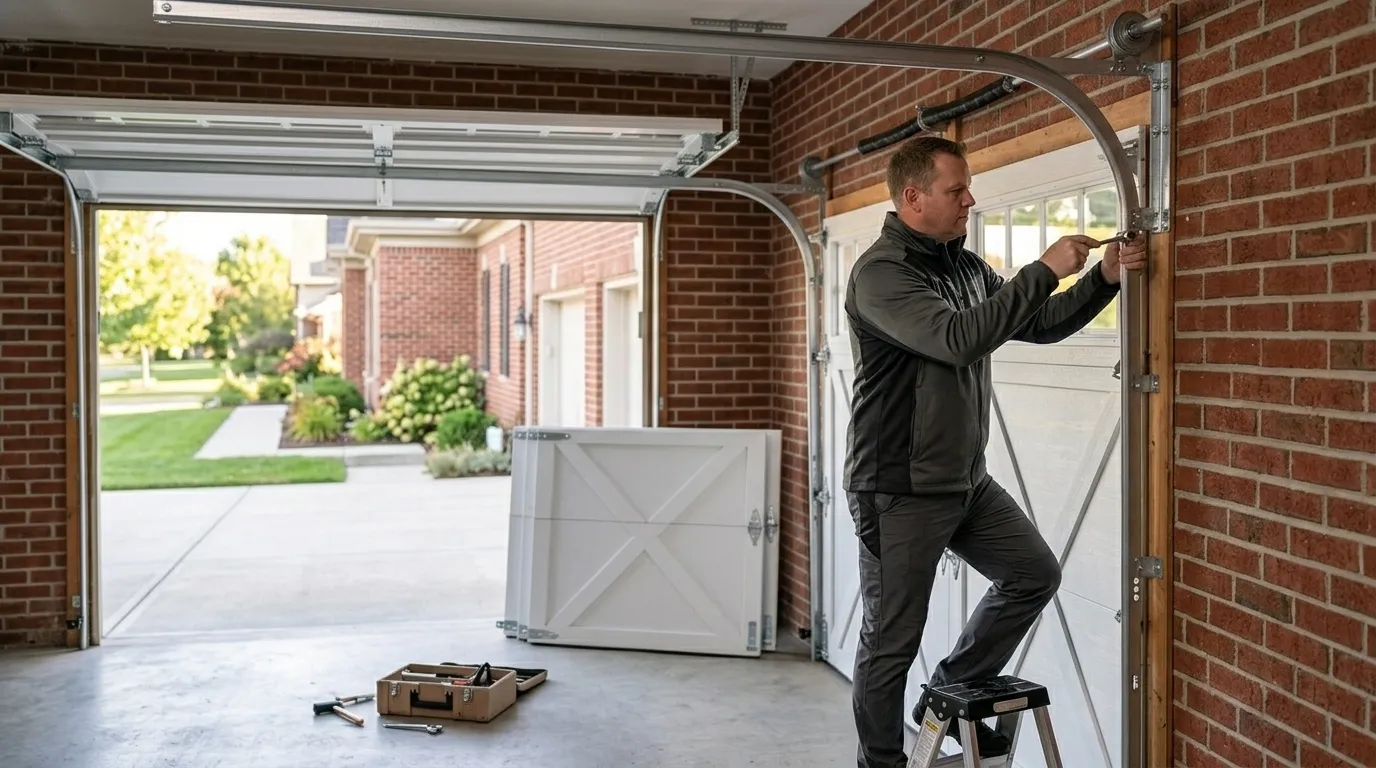
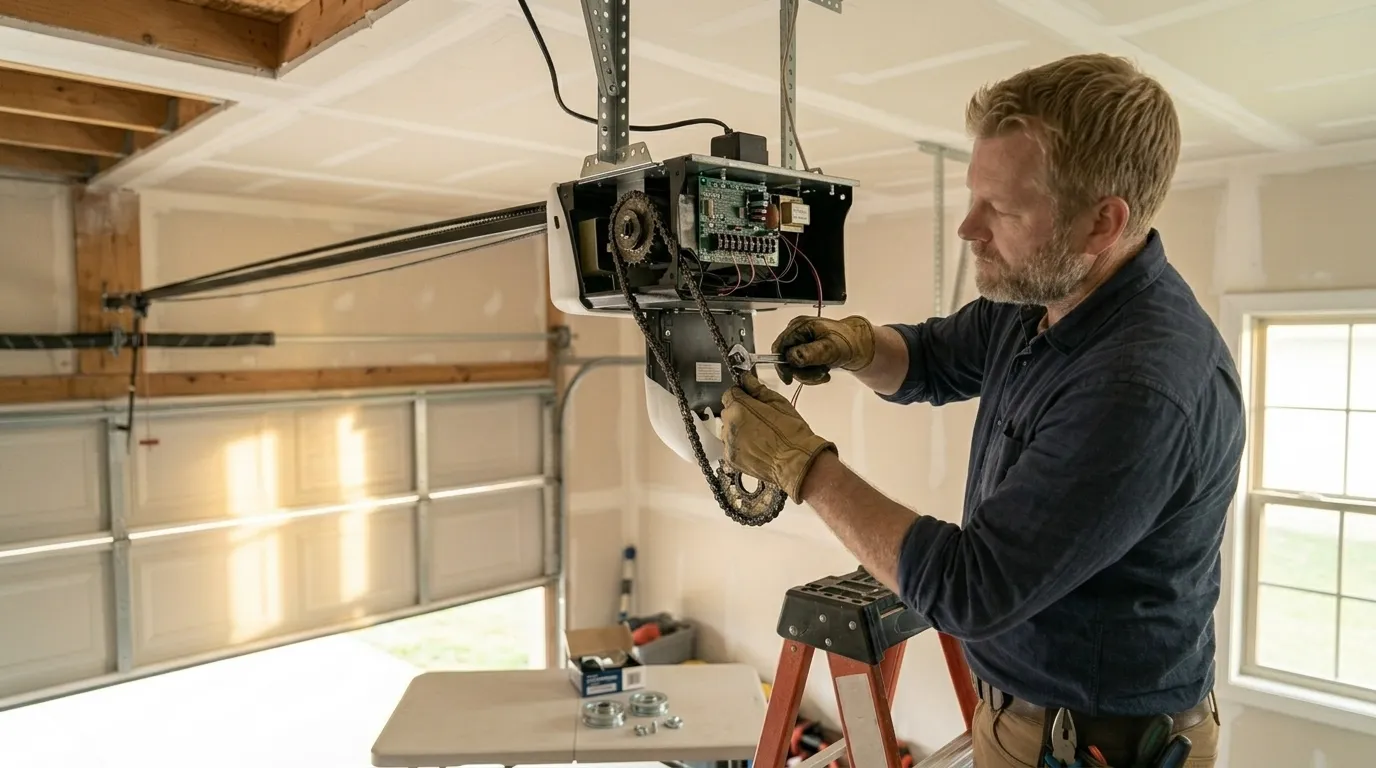
That cuts both ways. You're less likely to be dealing with a rusted-out extension spring system or a door so out of square the track has to be reset from scratch. But you're more likely to be dealing with builder-grade openers that were the cheapest unit on a spec-home order, plastic gears that wear faster than metal ones, and safety sensors mounted just slightly off from the factory spec. In Vineyard the call is more often about the opener's brain than the door's bones.